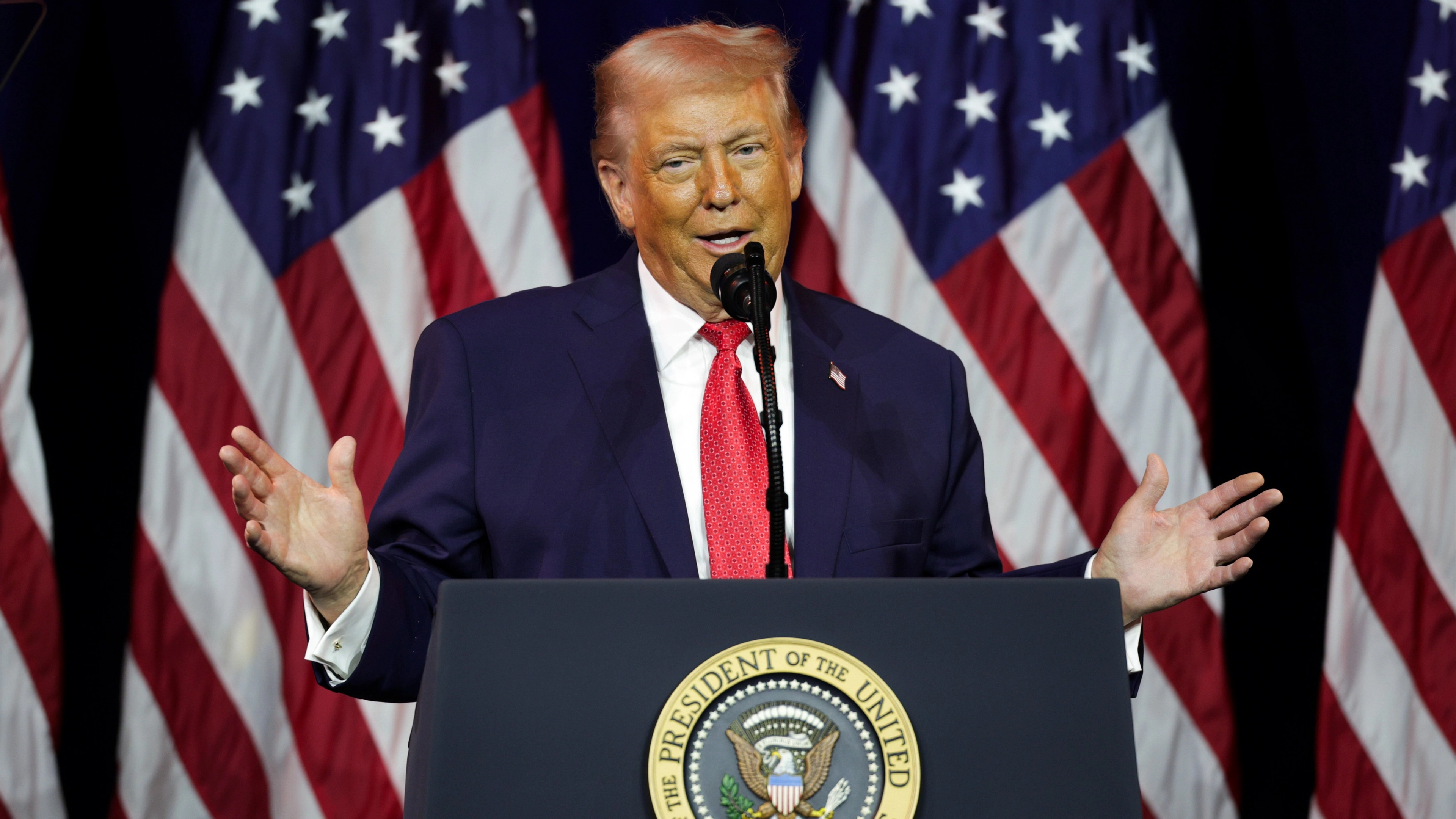
How denaturalization works as Trump makes disturbing warning to US citizens

Donald Trump has said he is willing denaturalize US citizens in a chilling threat, but what exactly does 'denaturalization' mean?
Trump's second term in the White House has seen a marked increase in immigration raids, with reports emerging of ICE agents detaining people regardless of their immigration status.
The administration continues to assert that the raids are to increase public safety, but critics, including Minnesota Governor Tim Walz, have said that the opposite is true.
Immigration has been a central policy for Trump during his second term of presidency, despite his polling numbers on immigration falling since he took office.
Advert
His threat around denaturalization is another aspect of this central policy, and expands the people his administration is targeting from people who are undocumented, to people who have gone through the proper channels and been granted US citizenship.
"We have criminals that came into our country, and they were naturalized maybe through [President Joe] Biden or somebody that didn't know what they were doing," the president said in early December.
"If I have the power to do it — I'm not sure that I do, but if I do — I would denaturalize, absolutely."
What is denaturalization?
It is the process of stripping someone of their citizenship of a country against their will.
An infamous example internationally is that of Shamima Begum, who had her UK citizenship revoked after leaving the UK aged 15 to join the terror group ISIS in Syria, rendering her stateless.
Denaturalization is controversial for a whole slew of reasons, but a big one for critics is that it creates precedent for a government to revoke the rights that come with citizenship from anyone they don't like.
In the US, this comes with additional context, which is that denaturalization is removing citizenship from someone who has been granted citizenship after moving there.
To be considered for naturalization, someone must be at least 18 years old, be able to read, write, and speak basic English, and be 'of good moral character'.
They also have to meet at least one of these conditions - be a green card holder for at least five years, be married to a US citizen and a lawful resident for three years, be a US service member, or be a child of a US citizen.
The two general conditions denaturalization can be considered under
One is that there was 'deliberate deceit on the part of the person' who became a US citizen - so if evidence emerges that someone purposefully lied on their application.
The second is if someone became a naturalized citizen illegally, so if it is later discovered that they did not meet the requirements when they were naturalized.
For example, it could emerge that someone had committed crimes in their home country, meaning they wouldn't meet the 'good moral character' requirement.
Effectively, these two conditions boil down to an applicant being purposefully misleading, and the government not realizing someone wasn't eligible.
In a sit-down interview with the New York Times, Trump said he would specifically be targeting people from Somalia, saying: "I think that many of the people that came in from Somalia, they hate our country."
However, it would not be confined to this, with the president adding: "If they deserve to be stripped, I would, yes."
Trump's push for denaturalization has previously been condemned by Senator Ed Markey of Massachusetts, who called it 'xenophobia disguised as policy'.
Topics: News, US News, Donald Trump, Immigration
 Kit Roberts