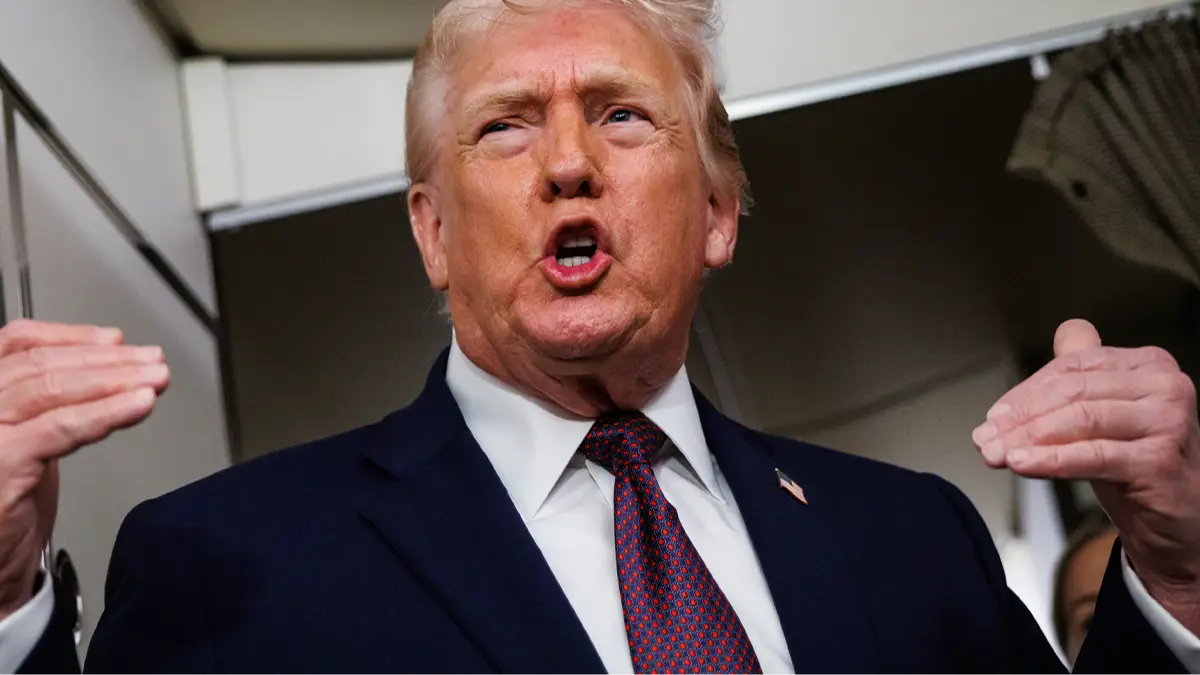
Trump boldly claims civil rights were 'very bad' for white people in bizarre rant on diversity policies in America

Donald Trump has claimed that white people were 'very badly treated' in the US as a result of civil rights and affirmative action.
Trump's second term has seen him taking aim at DEI programs across the US in rounds of funding cuts.
These were created to support people from a disadvantaged background, whether it's getting an education, a job, and in things such as healthcare.
But Trump has hit out at civil rights movements which aimed to bring equality for racialized minorities in the US, using a common argument of the far right that these resulted in a form of 'reverse discrimination' towards white people.
Advert
The president is far from alone in promoting this view, with deceased far right activist Charlie Kirk also publicly calling the US civil rights act a 'mistake'.
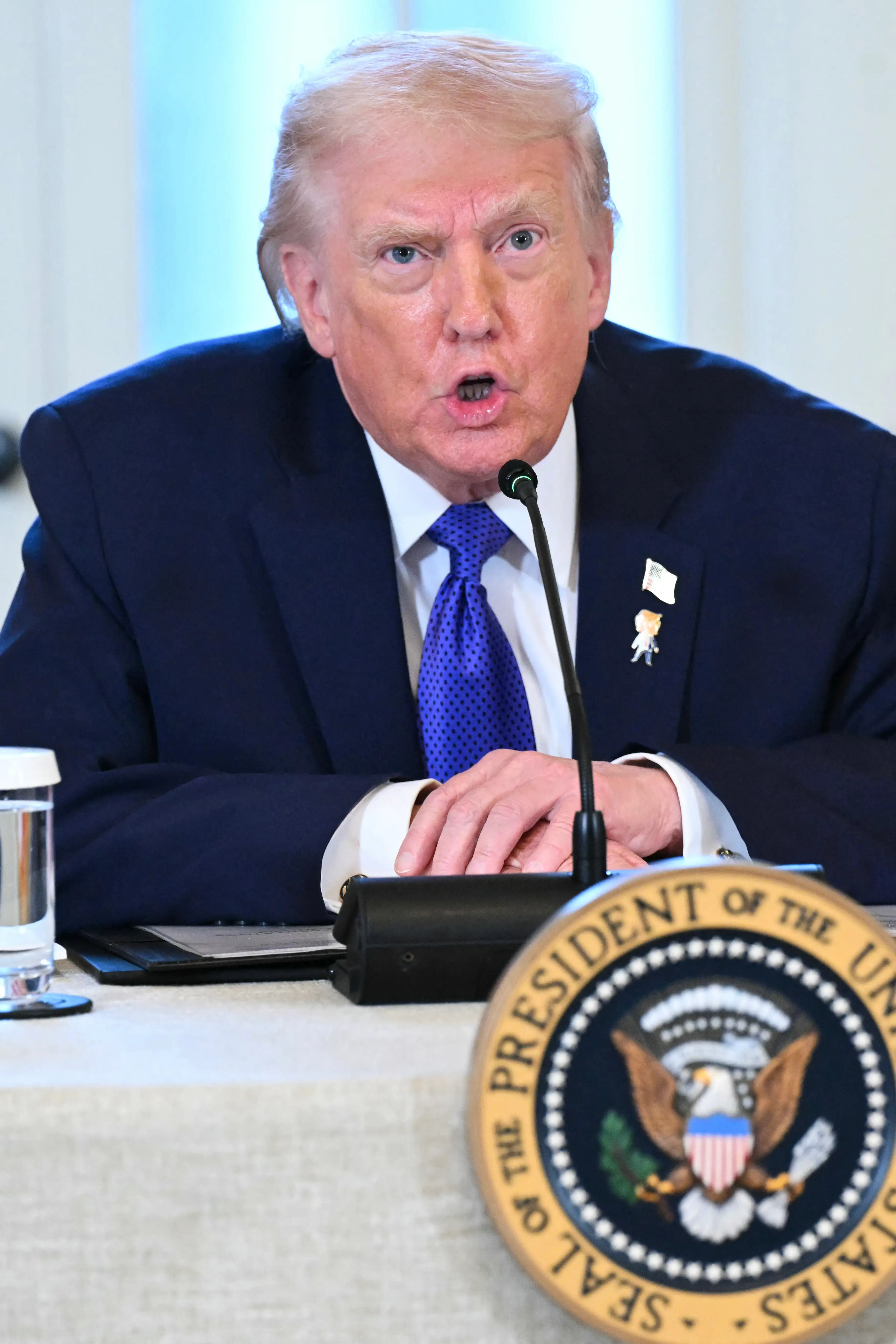
Trump said: “White people were very badly treated, where they did extremely well and they were not invited to go into a university to college."
This appeared to be a criticism of affirmative action programs intended to support people from minorities.
Trump continued: “So I would say in that way, I think it was unfair in certain cases.”
The president went on to say that civil rights 'accomplished some very wonderful things, but it also hurt a lot of people'.
He added: "People that deserve to go to a college or deserve to get a job were unable to get a job. So it was, it was a reverse discrimination.”
A widely accepted definition of racism is that it relies on power structures in society to discriminate against someone based on their ethnicity.
This can be subtle but extremely strong in the way that it impacts on people's lives, and is rooted in systemic discrimination.
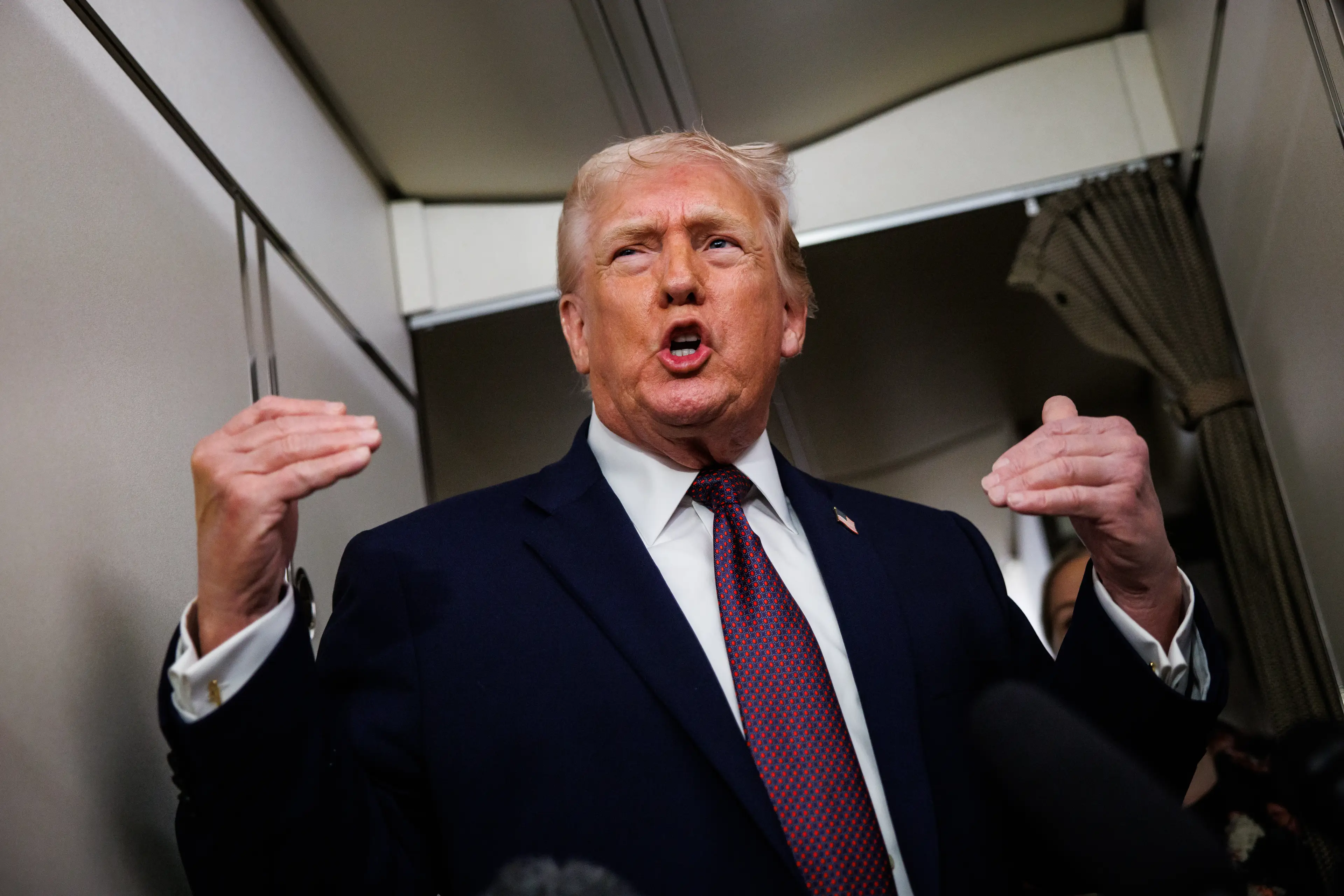
For example, after the abolition of slavery in the US many majority black towns and communities began to thrive, to the anger of former enslavers.
This culminated in explosions of violence such as the Tulsa Race Massacre, in a which a violent mob of white supremacists attacked and burned down black communities in Tulsa, Oklahoma in 1921.
Racism would become official policy under the Jim Crow Laws, which enforced racial segregation and inspired Hitler.
There would be intentional economic deprivation and under-development of majority black neighbourhoods and deliberate attempts to disenfranchise black communities from participating in the democratic process.
Some commentators have even criticized the US prison system as a modernization of slavery, pointing to the 'penal exception clause' in the 13th amendment that abolished slavery, saying that it was still permissible as punishment of a crime that someone was convicted of, and highlighting that black people are overrepresented in US prisons.
A common response to arguments of 'reverse discrimination' is that if someone enjoys a position of privilege within such a society, then equity feels like discrimination.
Topics: News, US News, Donald Trump
 Kit Roberts