unilad homepage
  • News
    • UK News
    • US News
    • World News
    • Crime
    • Health
    • Money
    • Sport
    • Travel
  • Film and TV
    • Netflix
  • Music
  • Tech
  • Features
  • Celebrity
  • Politics
  • Advertise
  • Terms
  • Privacy & Cookies
  • LADbible Group
  • LADbible
  • SPORTbible
  • GAMINGbible
  • Tyla
  • UNILAD Tech
  • FOODbible
  • License Our Content
  • About Us & Contact
  • Jobs
  • Latest
  • Archive
  • Topics A-Z
  • Authors
Facebook
Instagram
X
Threads
TikTok
YouTube
Submit Your Content
Woman can now see through her tooth after losing her sight a decade ago

Home> News> US News

Updated 12:25 13 Aug 2025 GMT+1Published 12:03 13 Aug 2025 GMT+1

Woman can now see through her tooth after losing her sight a decade ago

Gail Lane was able to see her dog for the first time

Joe Yates

Joe Yates

google discoverFollow us on Google Discover
Featured Image Credit: Global News/YouTube

Topics: Canada, Health

Joe Yates
Joe Yates

Joe is a journalist for UNILAD, who particularly enjoys writing about crime. He has worked in journalism for five years, and has covered everything from murder trials to celeb news.

X

@JMYjourno

Advert

Advert

Advert

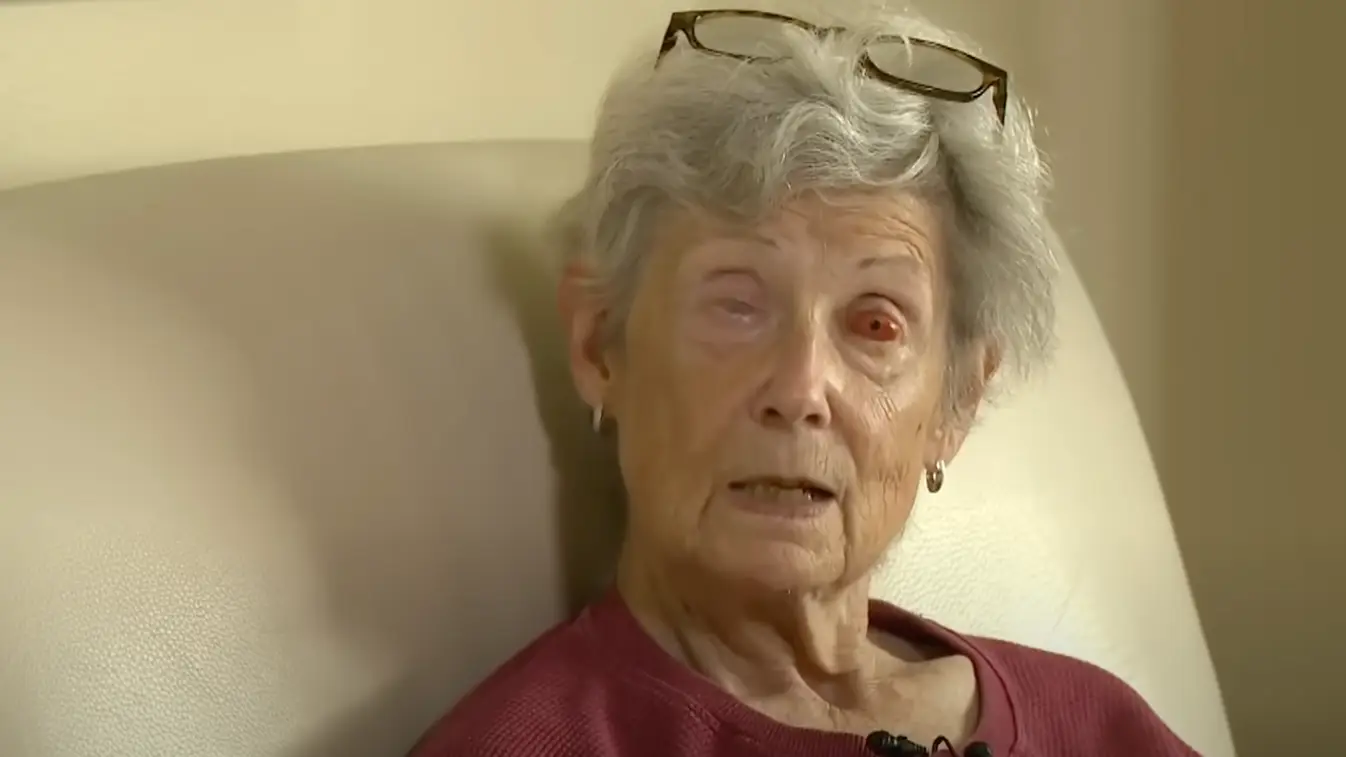
A blind woman has had her sight restored after 10 long years thanks to a 'miracle' operation.

Gail Lane has become the first Canadian in history to regain her vision thanks to 'tooth-in-eye' surgery - medical name, 'osteo-odonto keratoprosthesis', but that's a mouthful - or at least it was before the tooth was taken out!

The 75-year-old was gradually blinded a decade ago following complications with an auto-immune disorder which led to scarring on her corneas.

Lane, of Victoria in British Columbia, was one of three patients to undergo the procedure in Canada back in February.

Advert

"I can see lots of color and I can see outside now. The trees and the grass and flowers, it's a wonderful feeling to be able to see some of those things again," she told CBC News.

However, six months on from the procedure she is still not able to see the world as she once did but shared that it's a slow process and one that excites her.

"I'm starting to see facial features on other people as well, which is also pretty exciting," Lane explained.

"I'm hoping to have more mobility and independence in terms of short trips and walks here and there where I don't always have to have someone's arm for me to grab onto.

"I'm just looking forward, really, to seeing what I can do or do again - and trying to just be patient and let my brain adjust a bit because that's another big part of this."

She added: "It's been a long, it's been a long wait, but well, well worth it."
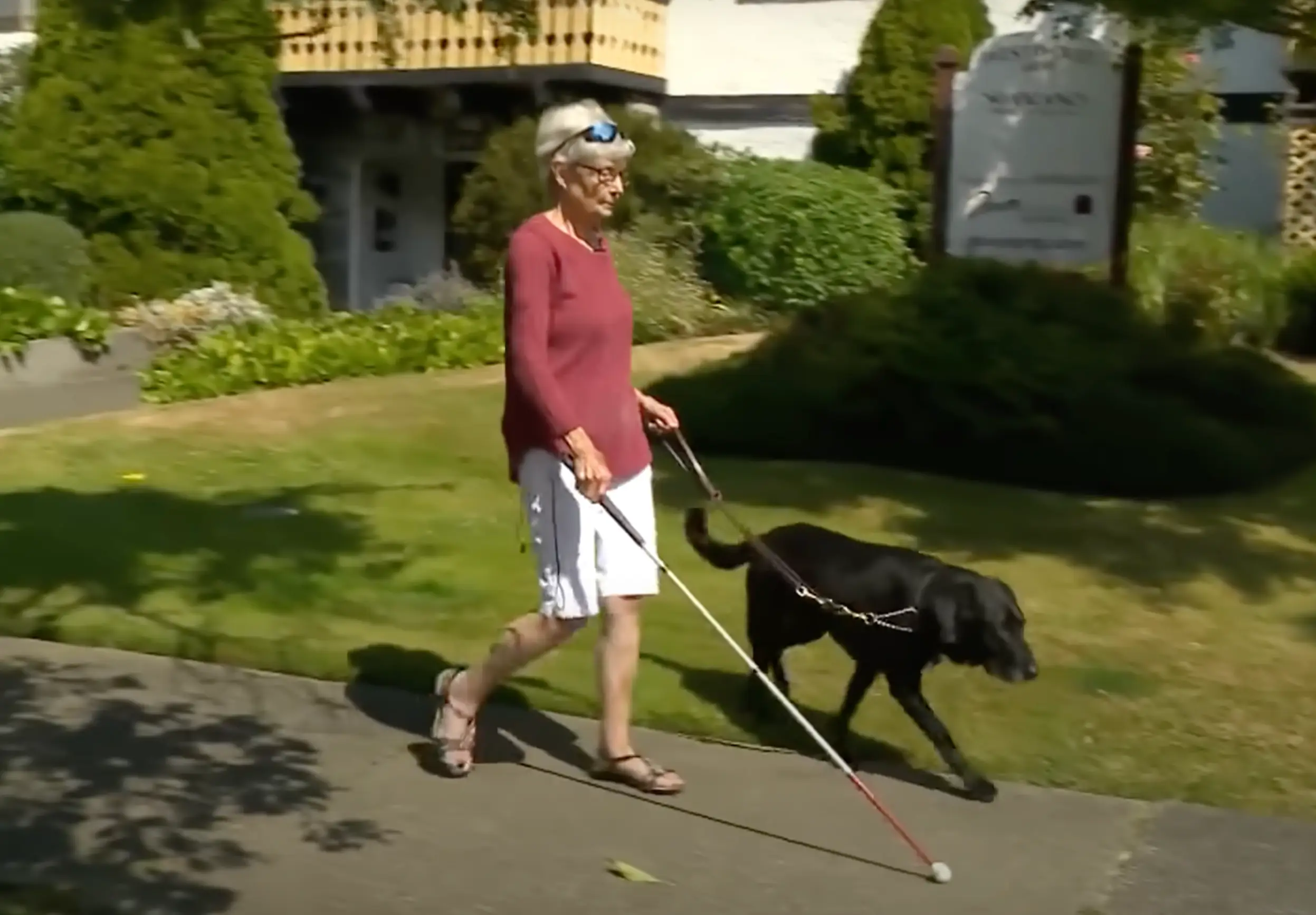
Gail Lane had never seen her dog Piper prior to the surgery (YouTube/Global News)

Lane's starting to see the facial features of her partner - who she has never seen before as their romance blossomed after she became blind, as well as their black Labrador, Piper.

Following the completion of the complex surgery, which was undertaken in two parts, she was able to see light and her dog's tail wagging.

Lane will be receiving a new pair of glasses soon, and hopes to be able to see her own face again for the first time this year.

The genius behind the surgery is Dr Greg Moloney, of Mount Saint Joseph Hospital in Vancouver, who mimicked the same procedure that he has seen carried out in various countries around the world.
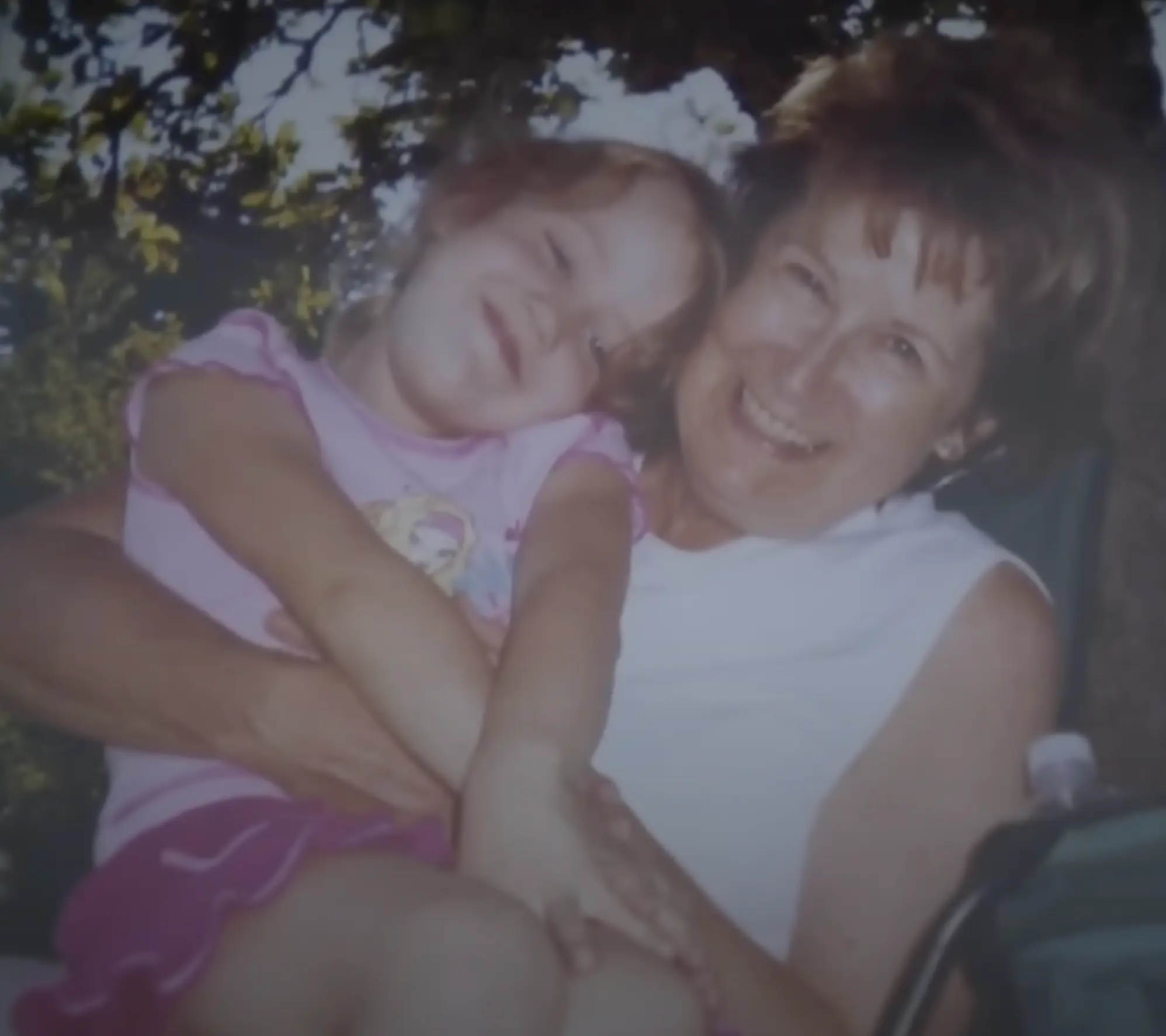
Lane pictured when she could see prior to the auto-immune disorder, decades ago with her daughter (YouTube/Global News)

How does tooth-in-eye surgery work?

The ophthalmologist said: "It's a complex and strange operation, but it basically involves replacing the cornea."

Dr Moloney explained that the procedure starts with removing a tooth from the patient's mouth before implanting it into their cheek, where it will be covered by sturdy connective tissue over the space of a few months.

The tooth is then removed and a lens is carefully placed into it. The connective tissue is then used to hold it in place while both the tooth and the lens are stitched into the patient's eye socket.

"We need a structure that is strong enough to hold onto the plastic focusing telescope, but is not going to be rejected by the body," Dr Moloney added.

Choose your content:

10 hours ago
11 hours ago
12 hours ago
  • Tom Williams/CQ-Roll Call, Inc via Getty Images
    10 hours ago

    Trump gathers top banking leaders to address looming crisis after terrifying AI hack

    Trump was addressing the security crisis in finance which is posed by new AI technology

    News
  • Rodin Eckenroth/Getty Images for THE WILD PODCAST/ THE WILD BOYS
    10 hours ago

    Man dating his 'dad' defends relationship after admitting he always thought he was 'attracted to women'

    The pair were both only attracted to women before they met one another

    News
  • This Morning
    11 hours ago

    Woman who is allergic to daylight reveals brutal impact it's had on her daily life

    Sonal Keay is a barrister and businesswoman who shared her struggle with the chronic health condition

    News
  • Mandel NGAN / AFP via Getty Images
    12 hours ago

    Melania's former chief of staff calls out Donald Trump for his response to her Epstein speech

    Allegedly the president didn't know about his wife's speech before it happened

    News
  • Man who can see through his tooth after being blind for two decades speaks out about experience
  • Woman diagnosed with cancer reveals the one symptom she ignored for a decade before diagnosis
  • Woman details horrifying moment shark bit through her leg in back-to-back attack leaving her ‘bone exposed’
  • Woman who suffers from rare condition forced to glue or tape eyes open just so she can see