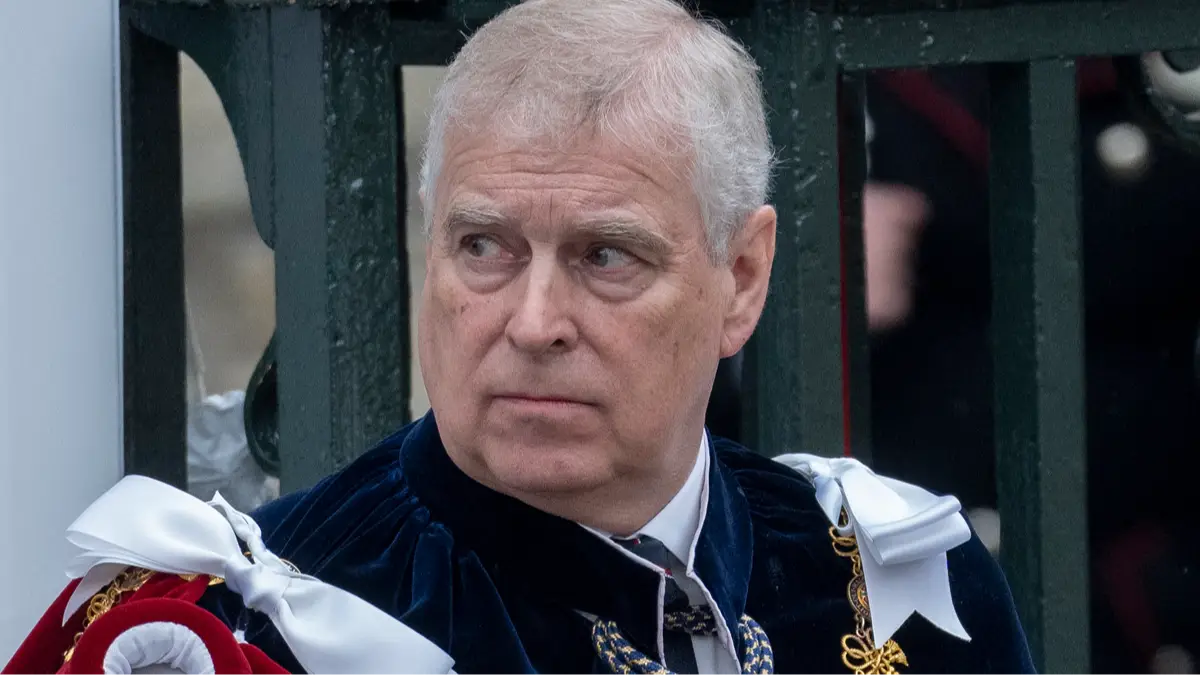
Andrew Mountbatten-Windsor allegation explained as he's arrested on 66th birthday

Andrew Mountbatten-Windsor has been arrested on his 66th birthday on suspicion of misconduct in public office.
Officers in unmarked vehicles arrested the senior royal at Wood Farm on the Sandringham estate, where he had been living since leaving Royal Lodge in Windsor, the BBC reported today (February 19).
Confirming that an arrest had been made, Thames Valley police said in a statement: “We have today (19/2) arrested a man in his 60s from Norfolk on suspicion of misconduct in public office and are carrying out searches at addresses in Berkshire and Norfolk.
“The man remains in police custody at this time.”
Advert
It comes after allegations made against Mountbatten-Windsor following the release of tons of documents pertaining to Jeffrey Epstein, whose relationship with the former prince has been a huge point of discussion.
Andrew has vehemently denied all the accusations against him in relation to Epstein, and being named in the files doesn't indicate any wrongdoing.
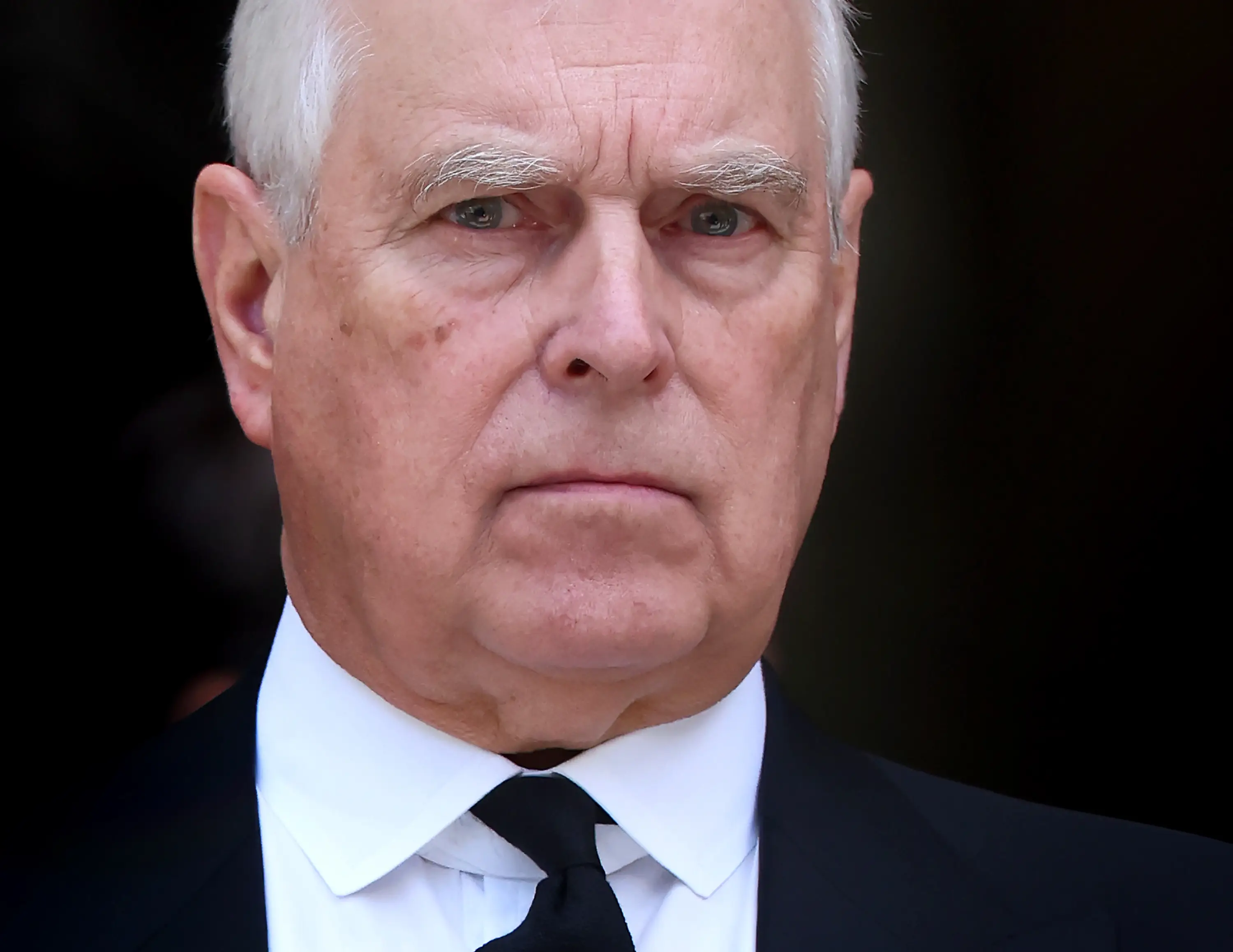
What is 'misconduct in public office'?
This is when someone in a position of responsibility within the British state commits 'serious wilful abuse or neglect of the power or responsibilities of the public office held'.
It includes a wide range of things, such as incompetence, workplace harassment, corruption, or abuse of power.
Lord Justice Leveson has outlined the approach to misconduct in public office on the website of the Crown Prosecution Service, which is responsible for public prosecutions in England and Wales, and has raised three questions about the offence.
He said: “First, what was the position held? Second, what is the nature of the duties undertaken by the employee or officer in that position?"
The third question is more complex and concerns whether someone is acting as a 'public officer' by asking whether the public would have a 'significant interest' in their failure to carry out their duties.
Who does it apply to?
In short, anyone who is in a position of responsibility within the British state.
That covers a huge variety of different positions. This includes judges, magistrates, coroners, police officers, immigration officers, prison staff (including in private prisons), army officers, civil servants, elected officials, and bishops in the Church of England, according to the CPS.
For example, a prison officer could potentially be charged with misconduct in public office if they had an affair with a prisoner, or a civil servant might be charged with taking a bribe.
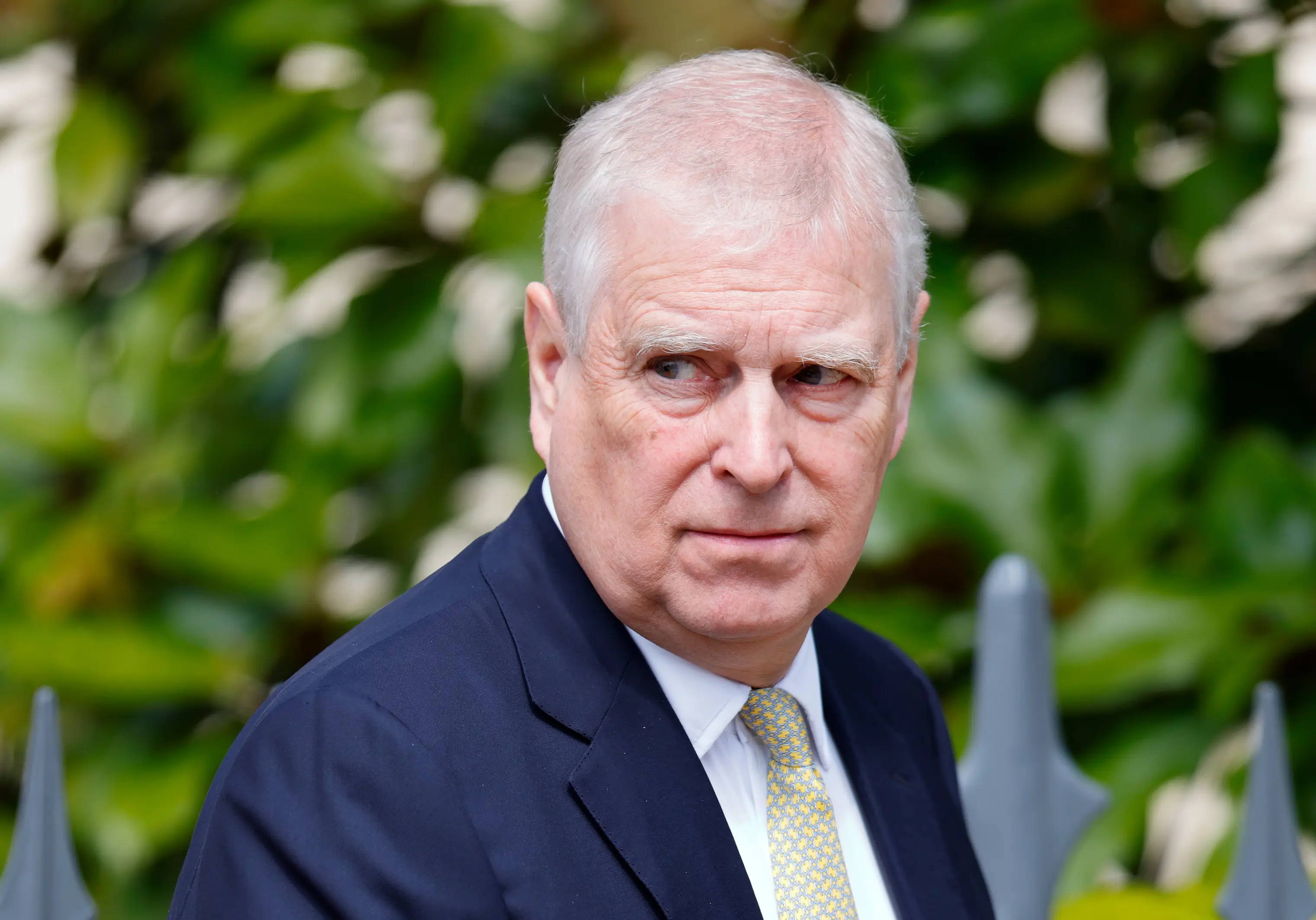
What is the sentence?
The maximum sentence for misconduct in a public office is life imprisonment, but in practice, this only applies to the most severe cases.
The sentence for this offence can vary enormously, and depends on the severity of the alleged misconduct and the seniority of the position that the defendant held.
Someone in a more senior position might be given a more severe penalty because their misconduct has the potential to do more damage.
How does this apply to Andrew Mountbatten-Windsor?
Misconduct in public office covers a wide range of alleged actions, and at present, the precise details of Andrew Mountbatten-Windsor's arrest are unclear.
Assistant Chief Constable Oliver Wright said: "Following a thorough assessment, we have now opened an investigation into this allegation of misconduct in public office.
"It is important that we protect the integrity and objectivity of our investigation as we work with our partners to investigate this alleged offence.
"We understand the significant public interest in this case and we will provide updates at the appropriate time."
UNILAD has contacted Buckingham Palace and Andrew's representatives for comment, as well as the Essex, Metropolitan, Bedfordshire, Norfolk, Surrey, and Thames Valley police forces.
Topics: Crime, Prince Andrew, UK News, News, Jeffrey Epstein
 Kit Roberts