Reason why Olympic boxer is allowed to compete after failing gender eligibility test as opponent walks out of fight after just 46 seconds

The reason why an Olympic boxer is allowed to compete despite failing a gender eligibility test has been revealed.
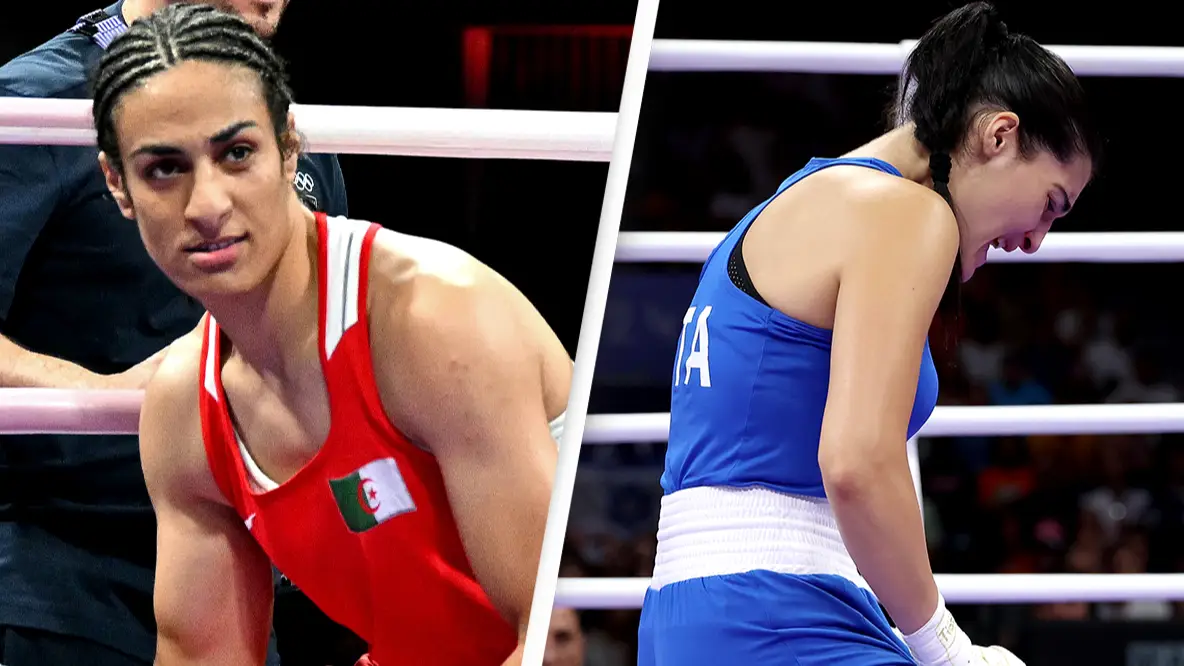
Angela Carini and Imane Khelif stepped in to the ring during the Paris 2024 Olympics earlier today (1 August), and it made all the headlines.
The bout was very much short lived, as the pair only exchanged a few punches before Carini abandoned the fight altogether.
The Olympic head-to-head lasted just 46 seconds.
Advert
Carini's headgear appeared to become dislodged twice before she threw in the towel, and the Italian even refused to shake Khelif's hand after she was announced as winner.
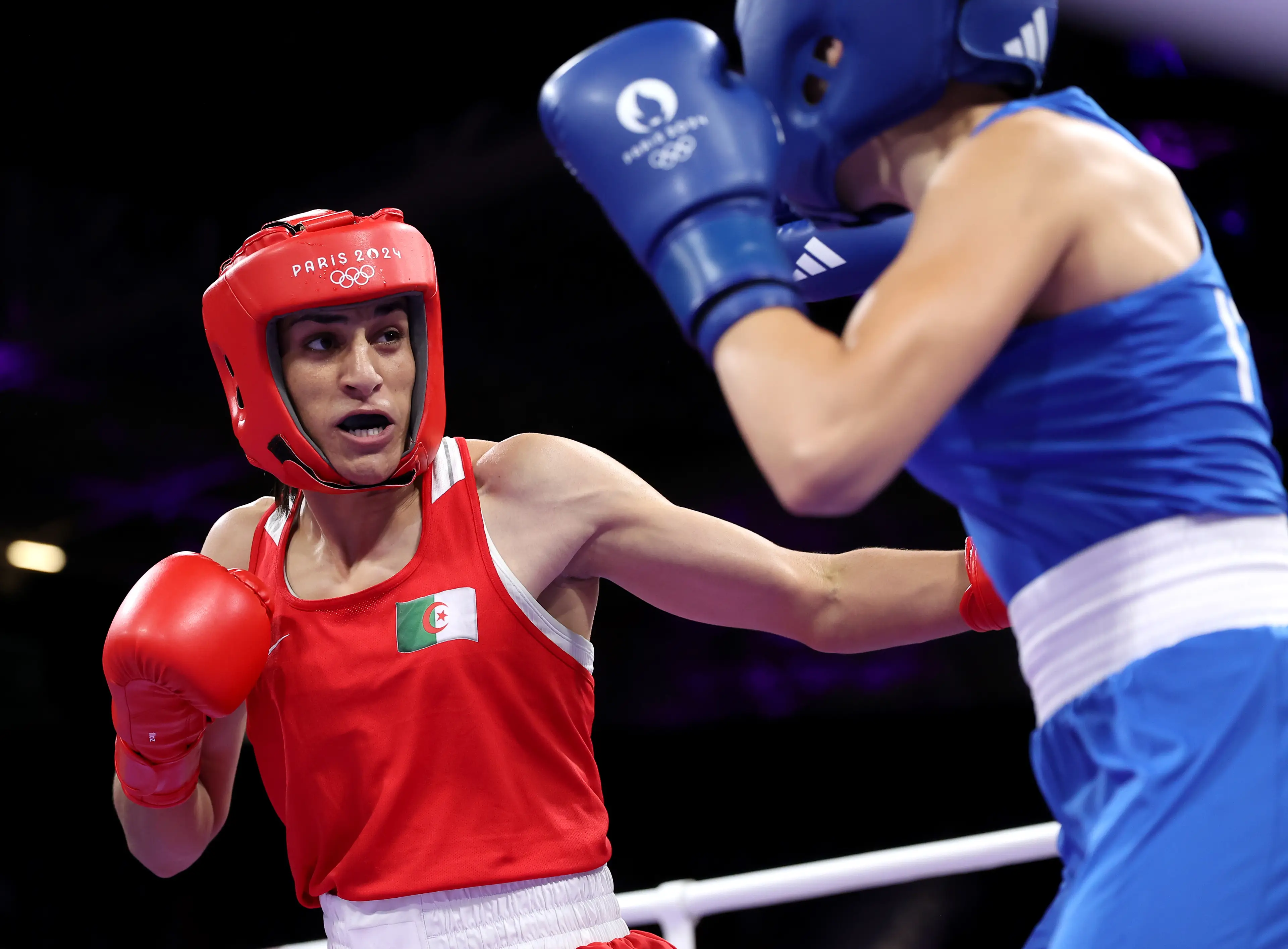
Speaking about her decision to leave the fight early, Carini said: "I have always honoured my country with loyalty. This time I didn't succeed because I couldn't fight anymore. So I put an end to the match."
According to the ANSA news agency, she said after the fight: "I went into the ring to fight. I didn't give up, but a punch hurt too much and so I said enough.”
“I'm leaving with my head held high.”
Khelif's much talked about victory came after she was disqualified from the World Championships in 2023 as she failed an unspecified gender eligibility test.
The International Boxing Association claimed at the time the athlete had elevated levels of testosterone.
As per Reuters, Khelif failed due to the IBA eligibility rules preventing athletes with XY chromosomes from competing in women’s events.
The athlete was however ruled eligible to compete in the 2024 Olympics, a competition run by the International Olympic Committee (IOC).
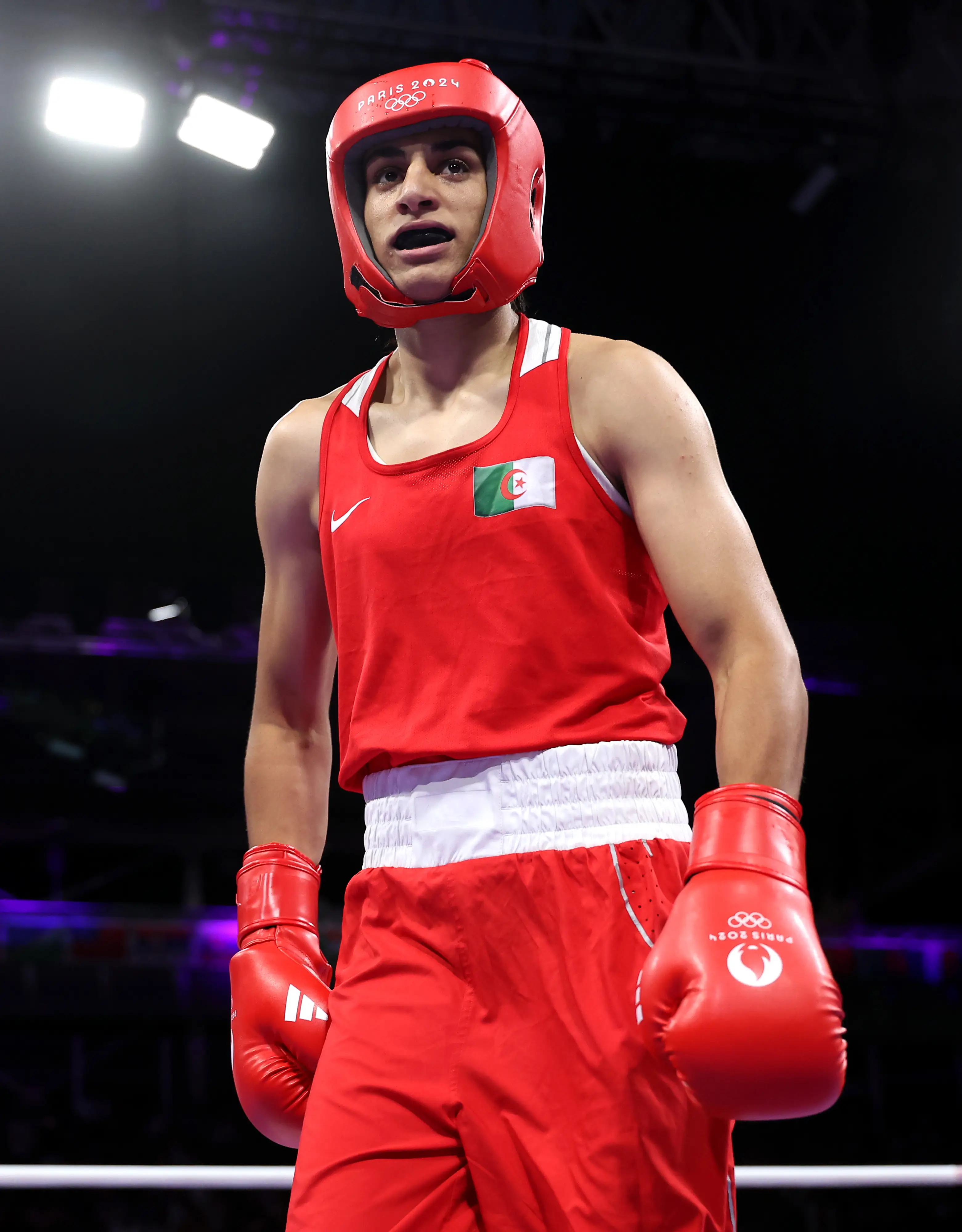
The IOC came out on Tuesday (30 July) to defend Khelif's rights to compete, prior to her latest win.
"Everyone competing in the women's category is complying with the competition eligibility rules," IOC spokesperson Mark Adams said.
"They are women in their passports, and it's stated that this is the case that they are female."
While the likes of World Aquatics, World Athletics and the International Cycling Union have updated their gender rules in recent years, the IOC has not.
In fact, the sports governing body made its eligibility decisions for Paris based on rules that applied at the 2016 Rio de Janeiro Olympics.
Adams added: "What I would say is that this involves real people and we are talking about real people's lives here.
"They have competed and they continue to compete in the women's competition. They have lost and they have won against other women over the years."
Team USA's current medal count - 31
Gold medalists
- Lee Kiefer: Fencing - Women's individual foil
- Torri Huske: Swimming - Women's 100m butterfly
- Jack Alexj, Chris Guiliano, Hunter Armstrong, Caeleb Dressel, Ryan Held, Matt King: Swimming - Men's 4x100m freestyle
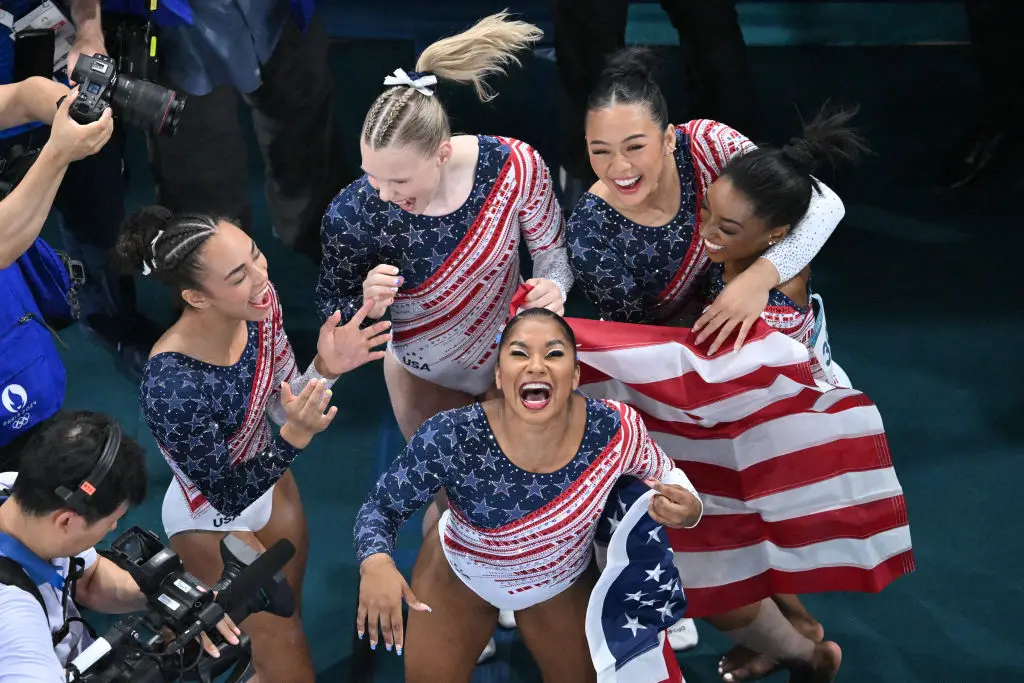
- Simone Biles, Sunisa Lee, Jordan Chiles, Jade Carey, Hezly Rivera: Artistic Gymnastics - Women's team competition
- Katie Ledecky: Swimming - Women's 1500m freestyle
- Nick Mead, Justin Best, Michael Grady and Liam Corrigan: Rowing - Men's coxless four
Silver medalists
- Nic Fink: Swimming - Men's 100m breaststroke
- Lauren Scruggs: Fencing - Women's individual foil
- Gretchen Walsh: Swimming - Women's 100m butterfly
- Haley Batten: Mountain Bike - Women's cross country
- Kate Douglass, Gretchen Walsh. Torri Huske, Simone Manuel, Erika Connolly, Abbey Weitzel: Swimming - Women's 4x100m freestyle
- Sarah Bacon and Kassidy Cook: Diving - Women's springboard 3m synchronised
- Katie Grimes: Swimming - Women's 400m individual medley
- Jagger Eaton: Skateboarding - Men's street
- Regan Smith: Swimming - Women's 100m backstroke
- Bobby Finke: Swimming - Men's 800m freestyle
- Carson Foster, Brooks Curry, Chris Guiliano, Luke Hobson, Drew Kibler, Blake Pieroni, Kieran Smith: Swimming - Men, 4x200m freestyle
- Perris Benegas: Cycling - Women's BMX freestyle
- Torri Huske: Swimming - Women's 100m freestyle
Bronze medalists
- Carson Foster: Swimming - Men's 400m individual medley
- Katie Ledecky: Swimming - Women's 400m freestyle
- Chloe Dygert: Cycling - Women's individual time trial
- Frederick Richard, Brody Malone, Stephen Nedoroscik, Paul Juda, Asher Hong: Artistic Gymnastics - Men's team competition
- Nick Itkin: Fencing - Men's foil individual
- Emma Weyant: Swimming - Women's 400m individual medley
- Ryan Murphy: Swimming - Men's 100m backstroke
- Luke Hobson: Swimming - Men's 200m freestyle
- Nyjah Huston: Skateboarding - Men's street
- Ilona Maher, Kayla Canett, Lauren Doyle, Alev Kelter, Kristi Kirshe, Sarah Levy, Alena Olsen, Ariana Ramsey, Steph Rovetti, Alex Sedrick, Sammy Sullivan, Naya Tapper: Rugby 7s - Women's team competition
- Katharine Berkoff: Swimming - Women's 100m backstroke
- Evy Leibfarth: Canoe slalom - Women's Canoe Single
Topics: Boxing, Olympics, Sport, Imane Khelif
 Callum Jones