
Scientists studied the orgasms of 86 different women and revealed the most unusual reactions

The under-studied biological process of the female orgasm can cause a number of unusual involuntary side effects, a new study has found.
Research specifically examining issues relating to women's health made up just five percent of global research and development funding in recent years, according to Nature, with studies not related to female cancers accounting for just one percent of that funding.
This disparity, which also sees twice as many men's health studies conducted as women's, leaves large portions of female reproductive health under-explored and misunderstood - including some of the stranger side effects of having an orgasm.
A small study attempting to lead the way in this sexual health research found, from just 86 female participants, a large number of non-typical orgasm symptoms that sometimes left women uncontrollably laughing, crying, or even hallucinating.
Advert
These unusual symptoms are called 'peri-ogasmic phenomena' by the researchers who carried out the first-of-its-kind study, which asked women about the stranger symptoms they might experience when they climax. 86 women opened up about some of their most intimate moments.
This accounted for around 2.3 percent of those who viewed the survey, but of those who replied, 88 percent reported experiencing an emotional symptom like crying, laughing, or even hallucinations.
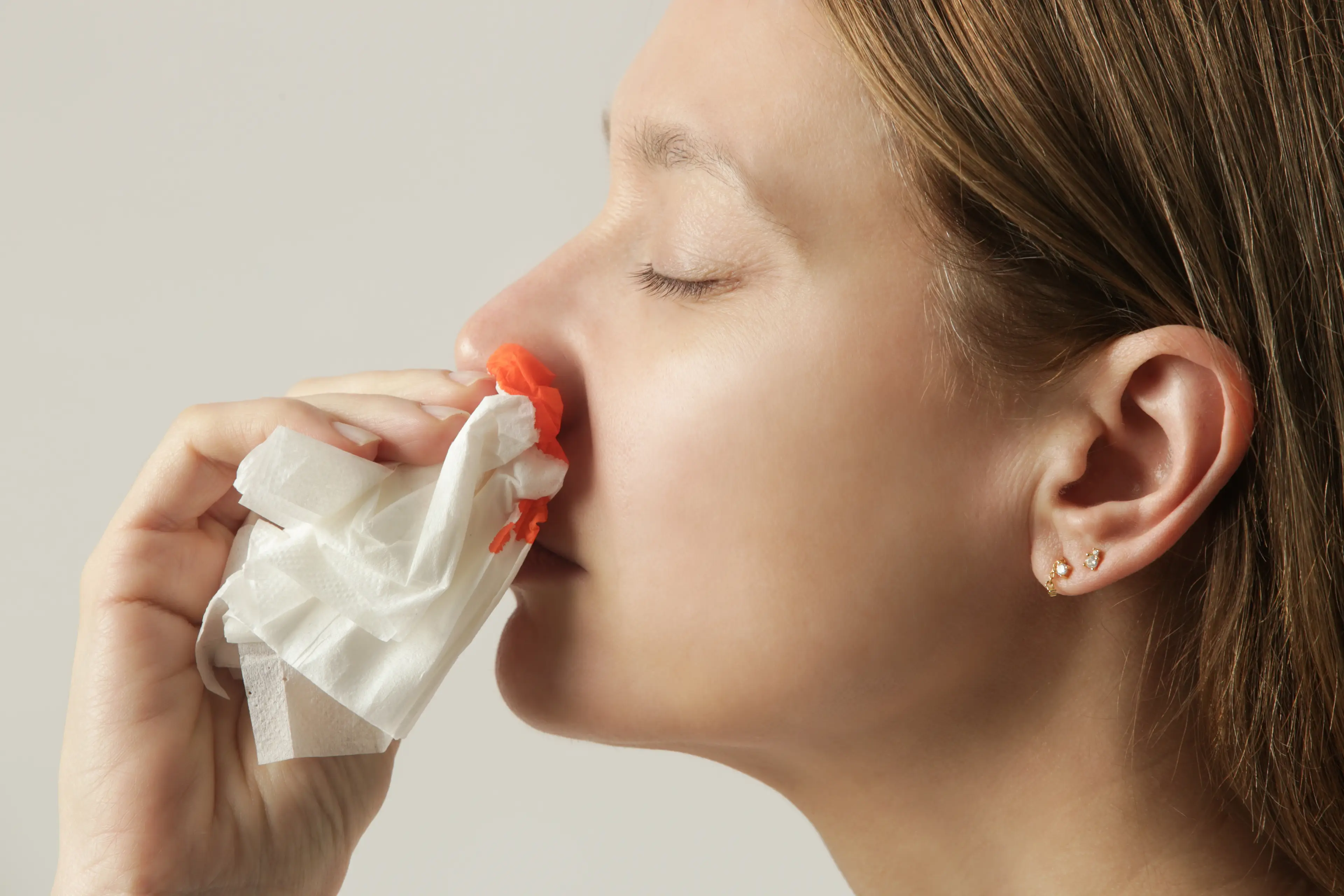
A further 61 percent shared that they had physical reactions to climaxing, which include: headaches, muscle weakness, foot pain, facial tingling, sneezing, yawning, ear pain or even nosebleeds.
Lead author of the study, Professor Lauren Streicher of Northwestern University, said: “While there have been case reports of women laughing, crying or having unusual physical symptoms during orgasm, this is the first study to characterize what these phenomena are and when they are most likely to occur.”

Published in the Journal of Women's Health, Streicher and Professor James Simon of George Washington University discovered that half of their respondents experienced several of these per-orgasmic symptoms, with one in five encountering both physical and emotional responses to their climax.
The most common symptoms reported by women responding to their survey were crying (63 percent), which was followed by a joint second place for sadness and laughter (both 43 percent).
Professor Streicher told BBC Science Focus that these climax-related phenomena should be considered normal for women, although she added that 'normal and common are not the same thing' and said more research was needed to discover the true prevalence of these symptoms.
But, importantly, the small study showed that women do not need to feel ashamed of these less-than-usual experiences during an orgasm - which only 17 percent of participants reported undergoing every time.
“Many women who have these symptoms in my survey expressed that they were embarrassed, ashamed or thought something was wrong with them because they laughed or cried inappropriately, or had a physical symptom they were not expecting,” Streicher shared.
What peri-orgasmic symptoms were reported by the women?
Respondents claimed that these symptoms were more likely to occur during sexual intercourse with a partner, with fewer than a quarter reporting peri-orgasmic phenomena during masturbation.
Physical symptoms among survey respondents
- Headache (33 percent)
- Muscle weakness (24 percent)
- Foot pain/tingling (19 percent)
- Facial pain/itching/tingling (six percent)
- Sneezing (four percent)
- Yawning (three percent)
- Ear pain/other ear sensation (two percent)
- Nosebleed (two percent)
Emotional responses among survey respondents
- Crying (63 percent)
- Sadness or urge to cry with a positive sexual experience (43 percent)
- Laughing (43 percent)
- Hallucinations (four percent)
Topics: Sex and Relationships, Health, Science
 William Morgan