unilad homepage
unilad homepage
    • News
      • UK News
      • US News
      • World News
      • Crime
      • Health
      • Money
      • Sport
      • Travel
    • Music
    • Technology
    • Film and TV
      • News
      • DC Comics
      • Disney
      • Marvel
      • Netflix
    • Celebrity
    • Politics
    • Advertise
    • Terms
    • Privacy & Cookies
    • LADbible Group
    • LADbible
    • SPORTbible
    • GAMINGbible
    • Tyla
    • UNILAD Tech
    • FOODbible
    • License Our Content
    • About Us & Contact
    • Jobs
    • Latest
    • Archive
    • Topics A-Z
    • Authors
    Facebook
    Instagram
    X
    Threads
    TikTok
    YouTube
    Submit Your Content
    NASA Discovers Possible Evidence Of Earthquakes On Mars

    Home> News

    Updated 14:37 7 Feb 2022 GMTPublished 11:45 24 Jan 2022 GMT

    NASA Discovers Possible Evidence Of Earthquakes On Mars
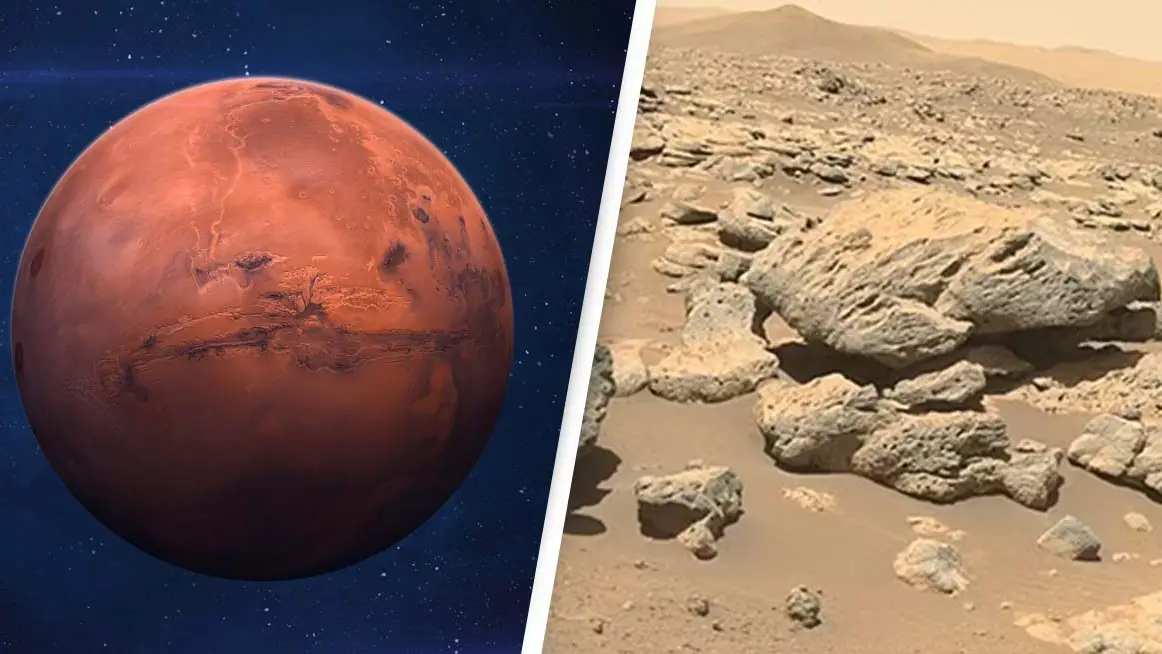
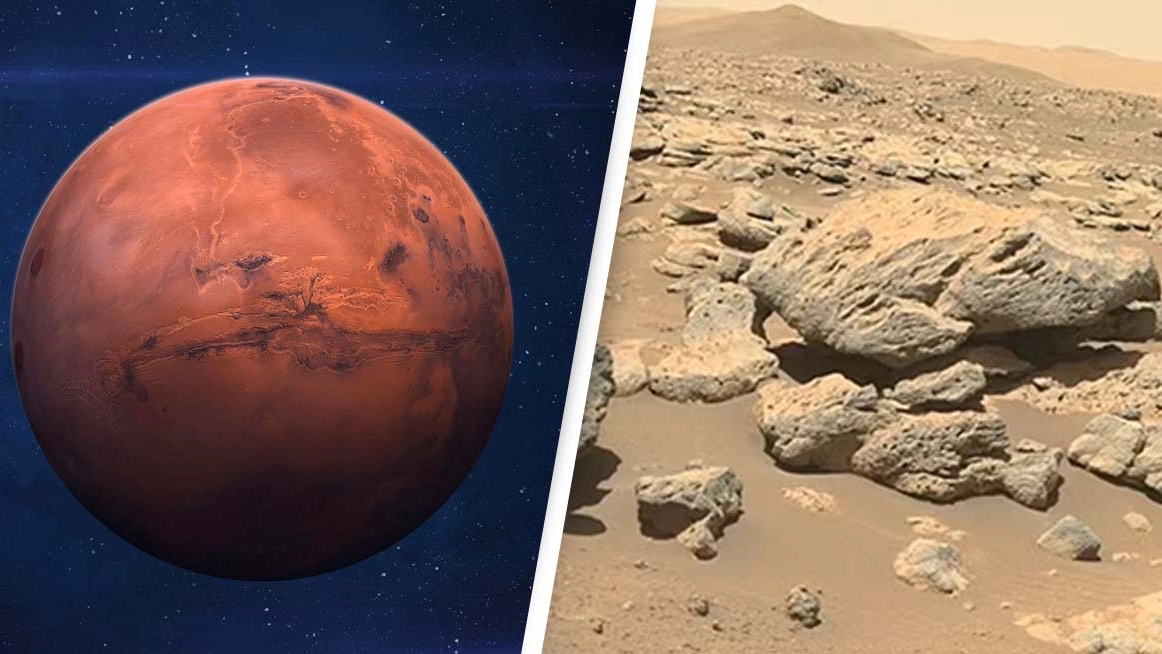
    Tumbling boulders may provide evidence of seismic activity, or 'marsquakes', on the Red Planet.

    Cameron Frew

    Cameron Frew

    google discoverFollow us on Google Discover
    Featured Image Credit: Alamy/NASA

    Topics: Science, Space, NASA

    Cameron Frew
    Cameron Frew

    Entertainment Editor at UNILAD. 2001: A Space Odyssey is the best film ever made, and Warrior is better than Rocky. That's all you need to know.

    X

    @frewfilm

    Advert

    Advert

    Advert

    Tumbling boulders may provide evidence of 'marsquakes'. (Alamy/NASA)
    Tumbling boulders may provide evidence of 'marsquakes'. (Alamy/NASA)

    Tumbling boulders may have provided NASA with evidence of earthquakes on Mars.

    NASA first attempted to track 'marsquakes' with the Viking program in 1975, with its landers trying to detect any seismic activity on the Red Planet. Alas, the seismographs never picked up any clear activity as a result of the Martian wind.

    Over the ensuing decades, unconfirmed activity has been detected, including three candidate seismic events between March and April 2019 said to be similar to the moonquakes during the Apollo program. Now, boulders may be the key to definitive evidence of quakes on our neighbouring world.

    Advert
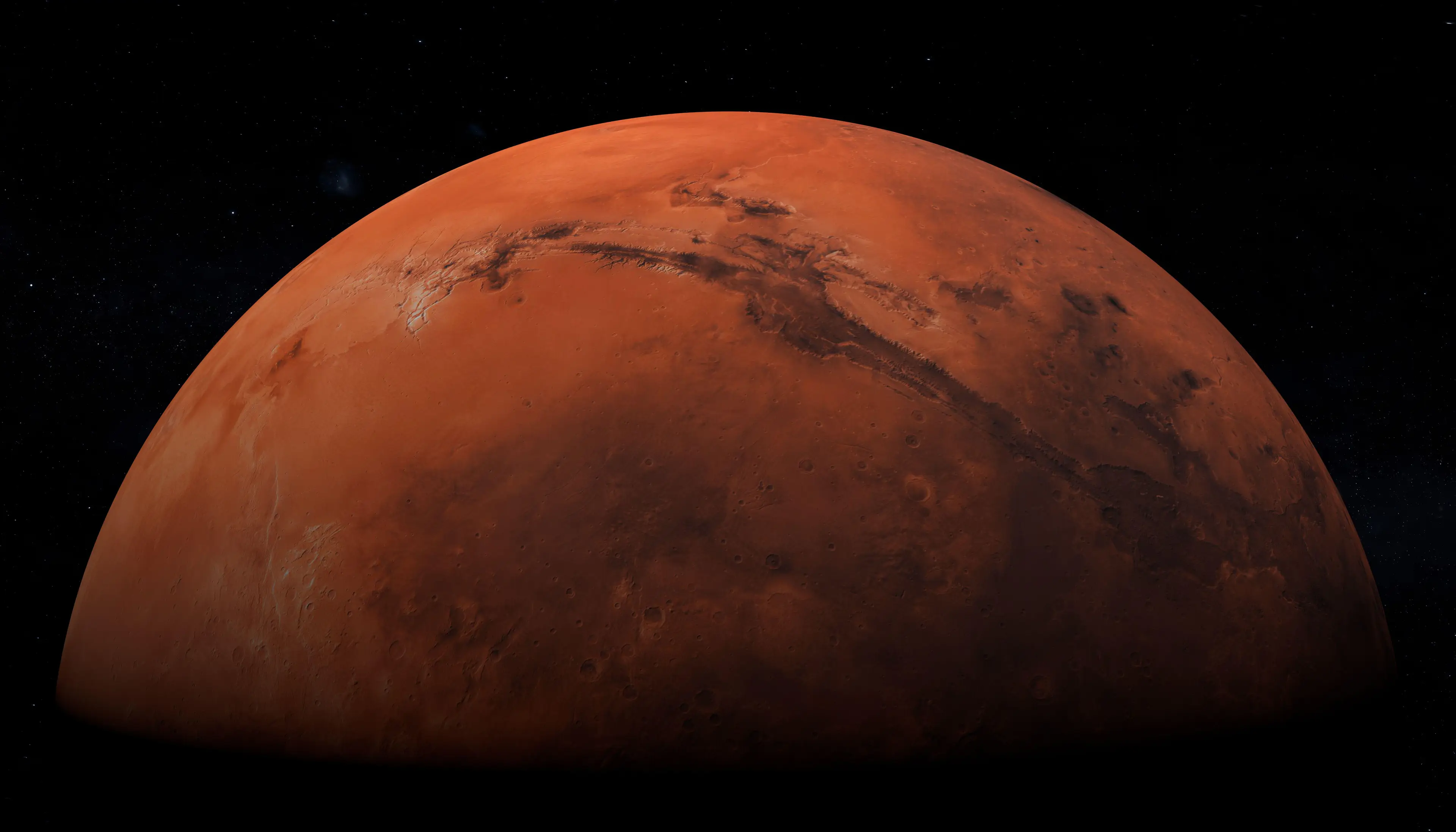
    Scientists have been tracking 'marsquakes' for decades. (Alamy)
    Scientists have been tracking 'marsquakes' for decades. (Alamy)

    A study published in Geophysical Research Letters, titled 'Boulder Fell Ejecta: Present Day Activity On Mars', took a closer look at the tracks left by falling boulders on Mars, and whether they're indicative of any seismic activity.

    They usually only last a few years as a result of being swept away or covered by dust and sand, but this marks the first time rockfalls - named 'boulder fall ejecta' - have been spotted on Mars, coming after similar 'ejecta' was discovered on the moon.
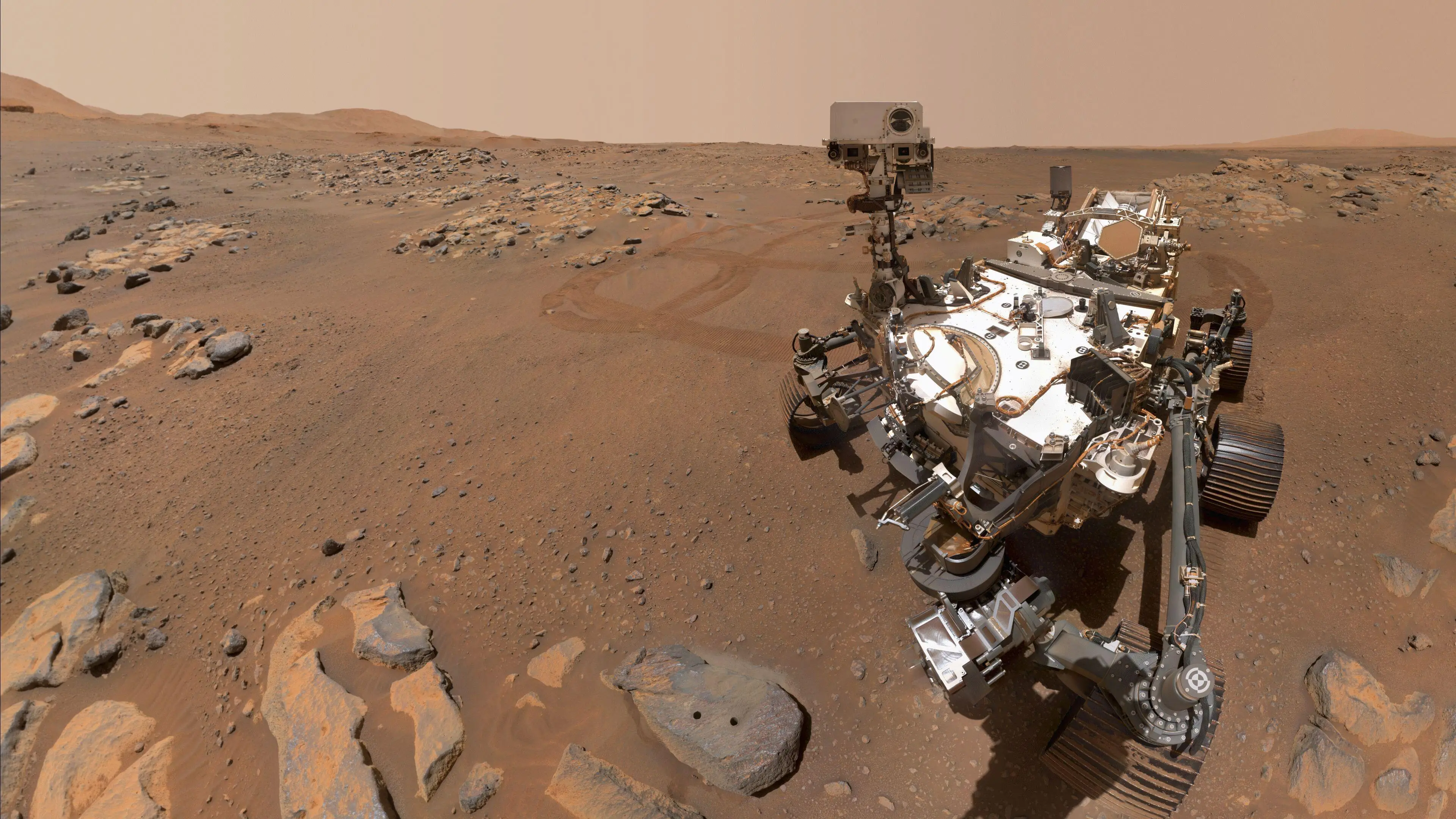
    Rockfalls may indicate seismic activity on Mars. (Alamy)
    Rockfalls may indicate seismic activity on Mars. (Alamy)

    Using photos captured between 2006 and 2020 by a camera onboard the Mars Reconnaissance Orbiter HiRISE, the research time could 'discriminate individual boulders', Dr. Vijayan, one of the leaders of the project, told The New York Times.

    During their research, they discovered more than 4,500 boulder tracks, with some as long as a mile-and-a-half. While again unconfirmed, tracks like these have been indicative of seismic activity in the past, meaning previous notions about Mars' state of activity over the past 15 years may be false. 'For a long time, we thought that Mars was this cold, dead planet,' Brown University planetary scientist Ingrid Daubar also said.

    'All the BFE tracks mapped in this study formed side-by-side with the older tracks without BFE, which suggests the boulder falls are frequent and occurring over decades on Mars. From our survey, we find rockfall triggered by wind, thermal cracking and seismic shaking are reasonable triggers for the recent falls causing BFE. Our observations suggest that the present day occurrence of boulder falls is wide spread, and that they are happening more frequently,' the study notes.

    Alfred McEwen, a scientist with the University of Arizona, backs the findings of the study, citing how the rockfalls were discovered in a volcanic region of the planet. 'These giant masses of dense rock loaded up on the surface creates stresses throughout the surrounding crust of Mars,' he said.

    If you have a story you want to tell, send it to UNILAD via [email protected]  

    Choose your content:

    3 hours ago
    6 hours ago
    10 hours ago
    11 hours ago
    • Aaron Schwartz/CNP/Bloomberg via Getty Images
      3 hours ago

      Donald Trump refuses to wear bulletproof vest over fears of looking heavier

      The US president expressed his concerns over the life saving equipment adding 20lbs to his appearance

      News
    • Rick Friedman/Corbis via Getty Images
      6 hours ago

      Jeffrey Epstein’s cellmate claims to have read his suicide note that's been sealed from the public

      The note was allegedly left with Epstein's cellmate, Nicholas Tartaglione, according to a new report

      News
    • Joseph Okpako/WireImage
      10 hours ago

      Influencer claims she poisoned herself by eating one common food every day

      The content creator said doctors called to tell her she had 'dangerously high arsenic levels'

      News
    • State Department
      11 hours ago

      New passports with Donald Trump's face are raising huge concern for Americans

      The face of President Trump could be on your passport long after he leaves office

      News
    • NASA astronaut reveals whether sex in space is actually possible
    • Artemis II astronaut shares stunning view of Earth you've never seen before
    • NASA releases world's biggest dark matter map and it's more detailed than ever before
    • NASA intern stole $21,000,000 worth of moon rocks in heist only to perform shocking sexual act with them