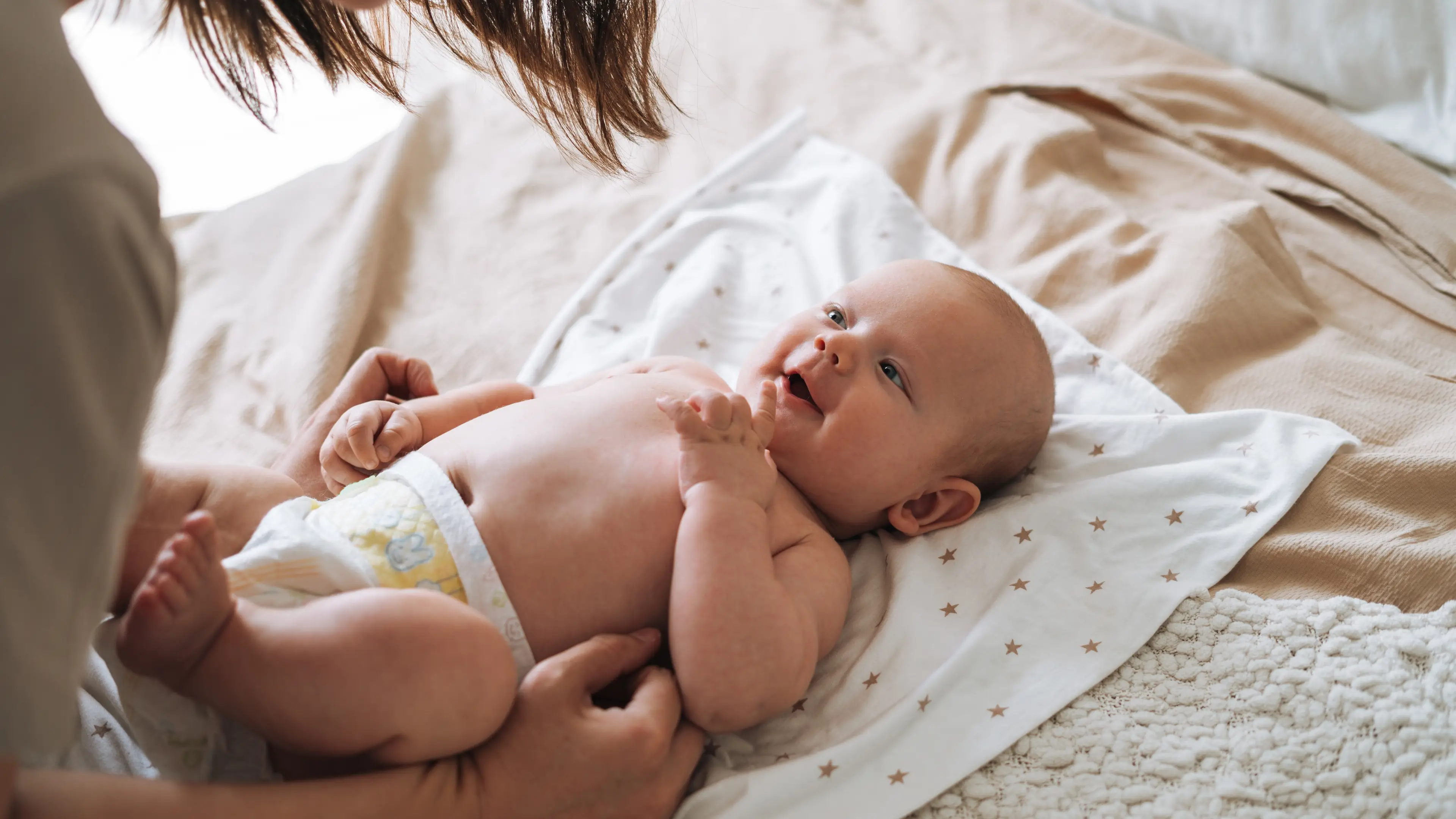
The most controversial baby names that have been banned across the world

Picking a baby name is meant to be one of the fun parts of becoming a parent, but it turns out some options are totally off the table.
In what can feel like an impossible task, sifting through the many classic options to name your child, some parents have reached far beyond traditional names in favour of something that feels unique, meaningful, or just a bit different. Celebrities haven’t helped tone things down, either. With children named after fruit, directions, brands, and even planets, it’s easy to assume that anything goes when it comes to naming a child.
However, while creativity might thrive on Instagram birth announcements, the real world is a lot less forgiving once paperwork and officials get involved.
That’s because in many countries, baby names aren’t just a personal choice. They’re regulated, scrutinised, and sometimes outright rejected. That’s where things start to get controversial.
Advert
Around the world, governments have stepped in to block names they believe could cause harm, offence, confusion, or embarrassment. Often, the rules exist to protect children from bullying, but the results can be surprising, and sometimes downright bizarre.
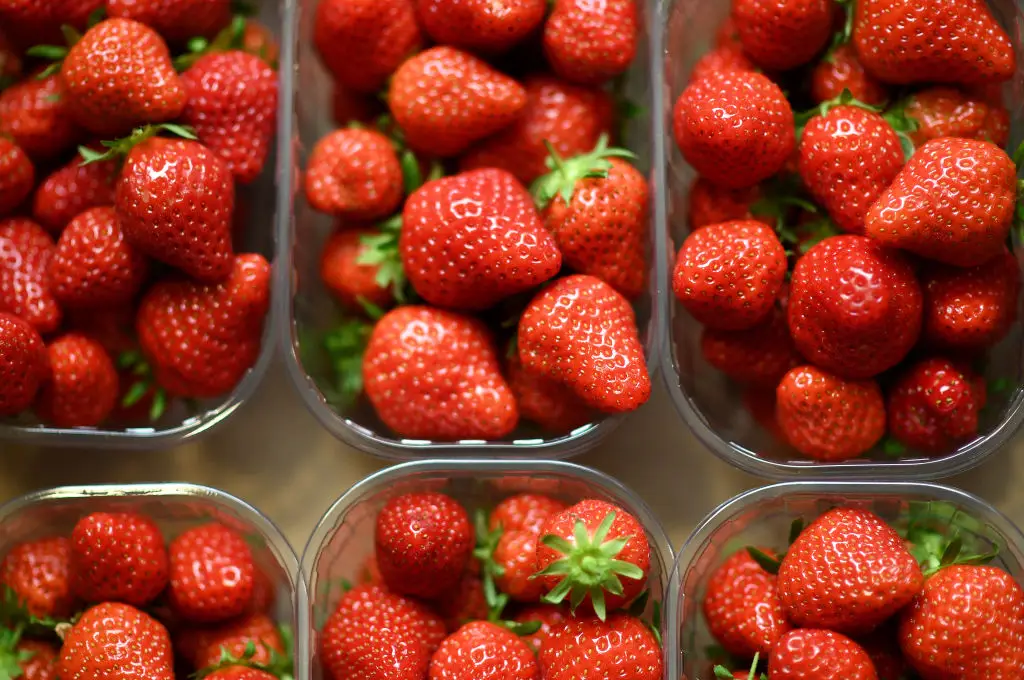
Take Saudi Arabia, where the name Linda, which is perfectly ordinary in the UK, was banned after being deemed ‘non-Islamic’ and culturally inappropriate, as reported by the Daily Mail. In France, authorities rejected the name Fraise, despite it literally meaning strawberry, because of its association with the phrase ‘ramène ta fraise’, which loosely translates to: “get your butt over here.”
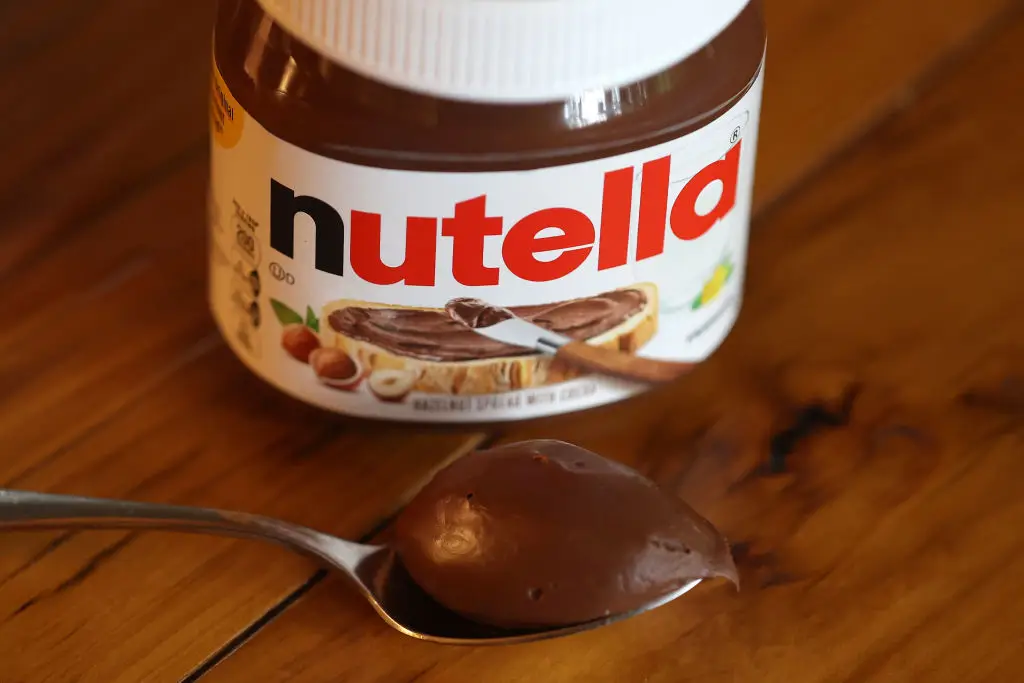
Other bans focus on humiliation. The name Nutella has been rejected in multiple countries to prevent children from being mocked, while the UK blocked Cyanide after a court ruled it would cause significant emotional harm due to its link to a ‘notorious poison’.
Then there are the names banned for administrative reasons. Australia rejected LOL (laugh out loud) after officials warned it could ‘undermine the seriousness of legal documents and lead to identification issues’.
Sweden famously shut down the protest name Brfxxccxxmnpcccclllmmnprxvclmnckssqlbb11116, which parents claimed was pronounced Albin, citing practical and legal concerns.
Some countries draw a hard line on titles and authority. New Zealand has consistently rejected names like King, Queen, Princess, and Messiah, arguing they imply unearned status or religious significance. Attempts to bypass the rules with creative spelling have also landed parents on the rejection list.
Brands and pop culture references are another no-go area. Metallica was banned in Sweden due to trademark concerns, Burger King was blocked in Mexico, and Japan has outlawed Akuma because it translates to devil.
 Ben Williams