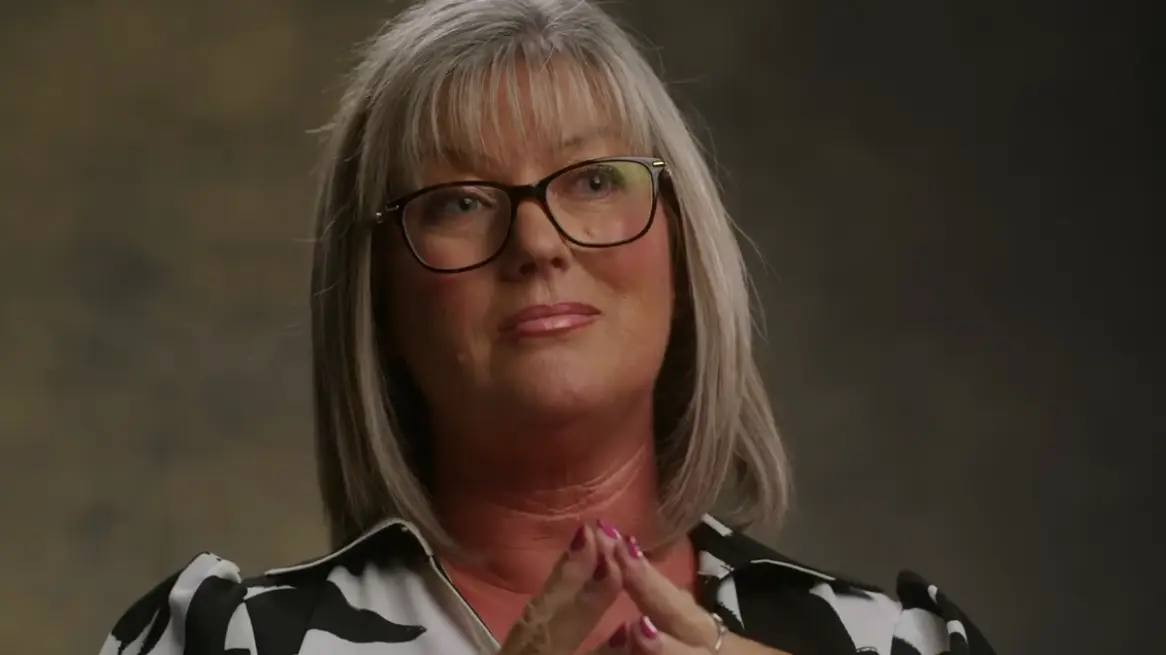
Mortician explains why she's still scared of death despite facing it every day

A mortician has opened up about how her job has affected her relationship with death.
Debbie Holmwood works as a mortician and has done so for 27 years.
She revealed that she made the decision to get into the highly unusual profession after losing her grandparents within 'a couple of weeks of one another'.
Prior to getting into being a mortician, Debbie shared that she had actually trained as a beautician, and had done her friends' wedding makeup.
Advert
But after seeing what the funeral directors did for the family after losing her grandparents, Debbie decided that this was what she wanted to do, and contacted the same funeral directors, where one of her cousins worked.
A mortician is involved in preserving and presenting bodies, particularly when someone is going to be on display at a funeral or wake.
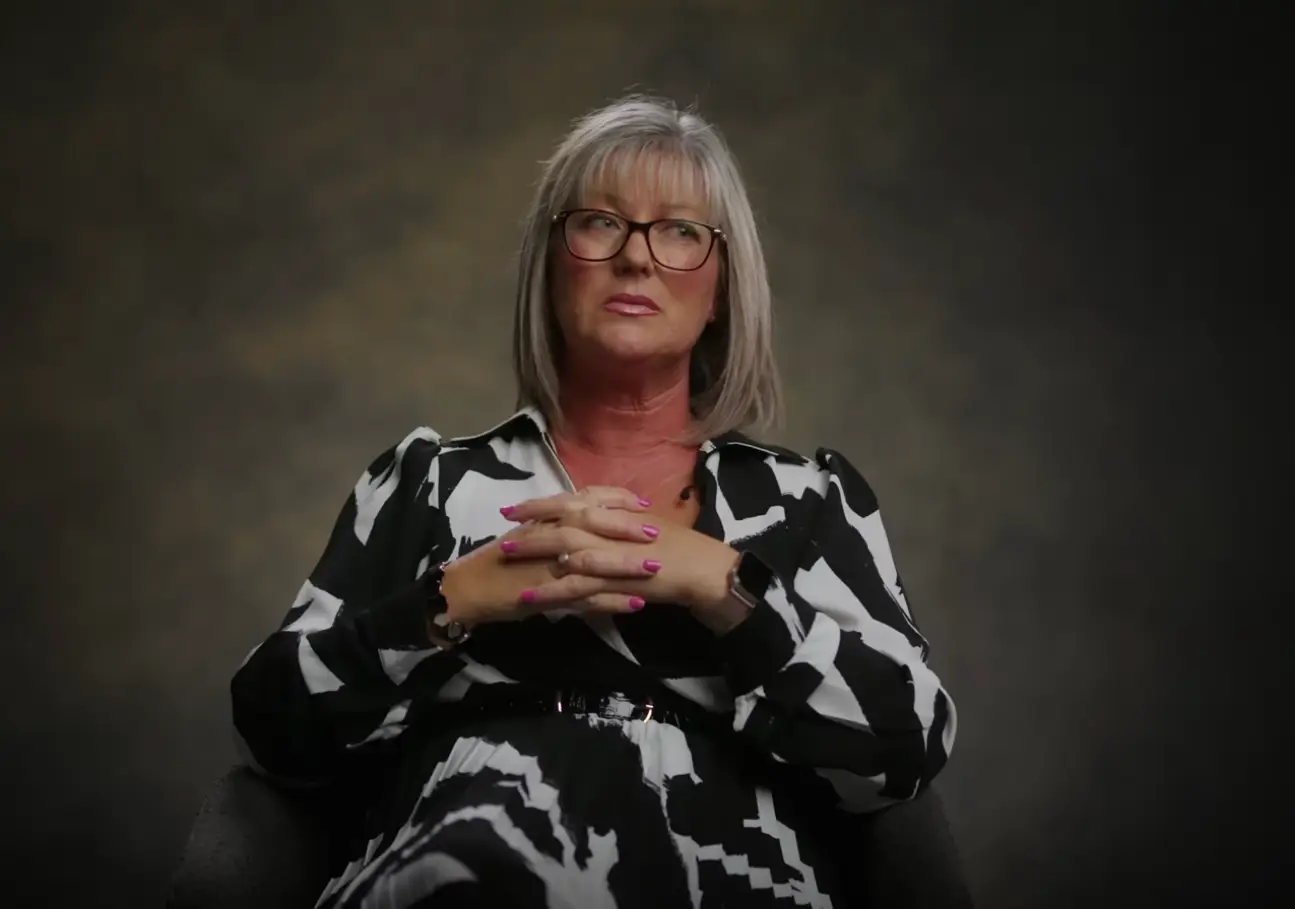
This involves embalming, as well as doing someone's hair and make-up.
Debbie's job has to her being exposed to death a lot more than the average person might be.
So, how does being exposed to death so much impact how she views it?
"I'm still scared," she told LADbible Stories. "I felt nearer to my nan and grandad when I first do it, but because we don't know, I do get scared I suppose."
She explained that this comes in two ways - both in terms of her own death, but also for her loved ones.
"I am scared of death itself, and losing family members, but knowing I do that gives me comfort as well," she said.
"I don't know whether it brings me nearer to death because I'm around it. I don't know, it's weird."
A mortician is an unusual and highly sensitive job, and Debbie shared that for a time she was worried about sharing what she did because of what people might think of her as a result.
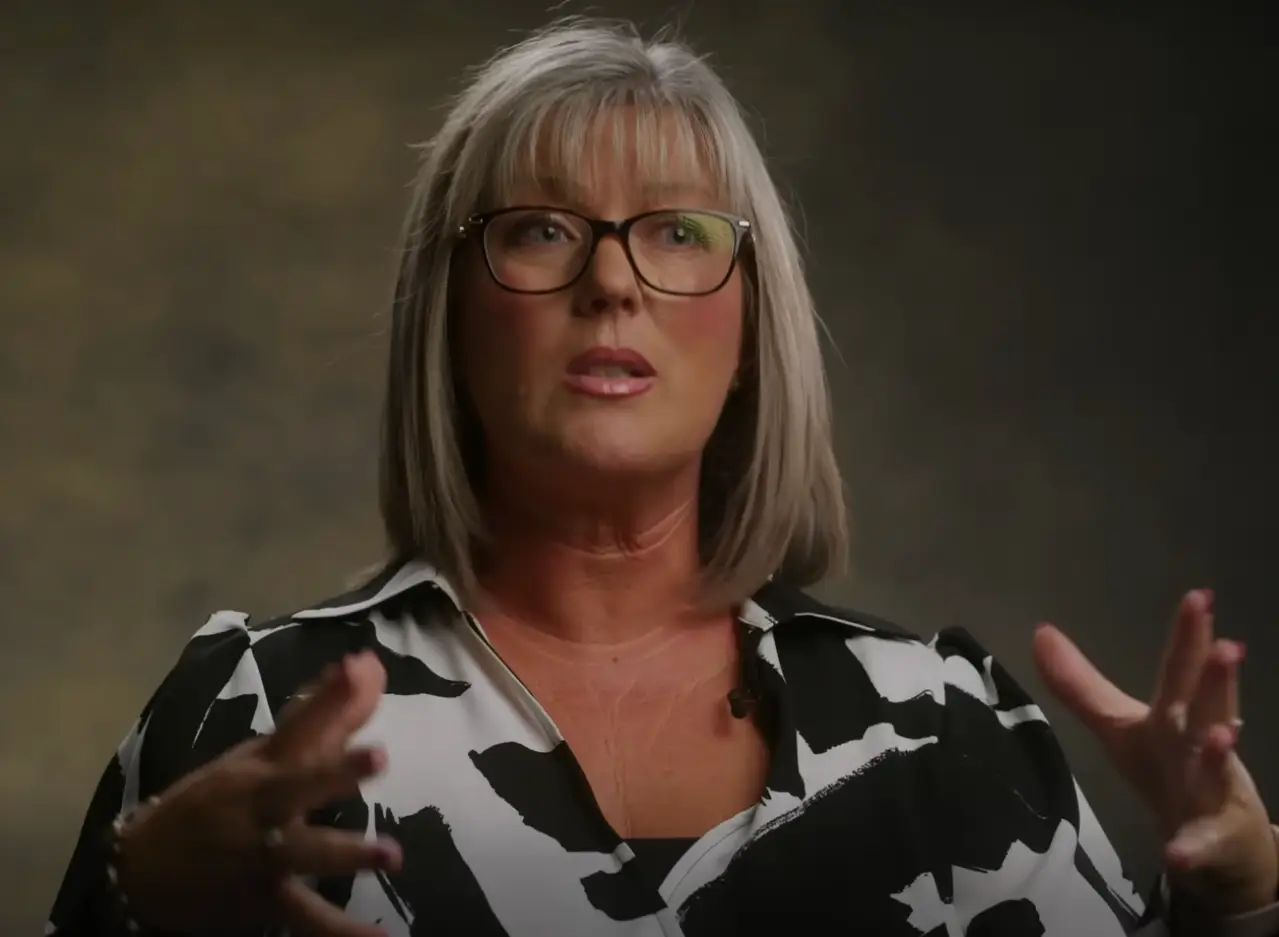
"I never told anyone for years because I think they thought I was a freak, so I never told anyone," she said.
Now however, she said that her outlook has completely changed and she feels good that she is able to help people at what might be one of the most difficult moments of their life.
She said: "It's only when I got into my 40s and 50s that I was sort of no, actually I'm proud.
"I get a lot of letters, a lot of comments, and thank yous. I know I've helped someone and I think no actually I'm proud of what I do."
Asked what questions she gets asked most, she revealed that the most common is 'I don't know how you could do that'.
But while it's undoubtedly an unusual job, she shared that she feels the same about other jobs, but this was her calling.
"I just think maybe that's what I was made to do," she said.
 Kit Roberts