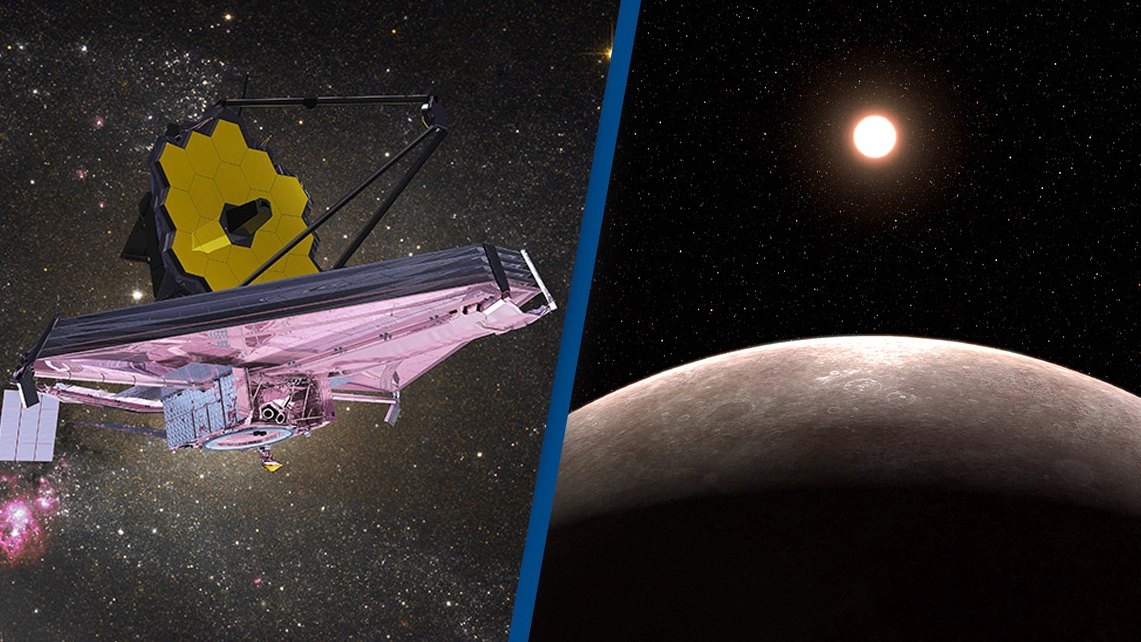
James Webb Telescope discovers planet 'almost exactly' the same as Earth only 41 light years away

NASA's James Webb Space Telescope has locked eyes with a planet that could one day be our new home.
Okay, that might be jumping the gun just a tad, but LHS 475 b is almost exactly the same size as our home planet, clocking in at 99 per cent of Earth’s diameter.
The planet also boasts a rocky dry land, which NASA reckons is also rather similar to Earth.
Advert
But before we start sending out ships to colonise the planet, NASA needs to ascertain what sort of atmosphere the planet has.
We also need a significant development in technology to allow humans to travel that far...but that sort of finer detail is future NASA's problem.
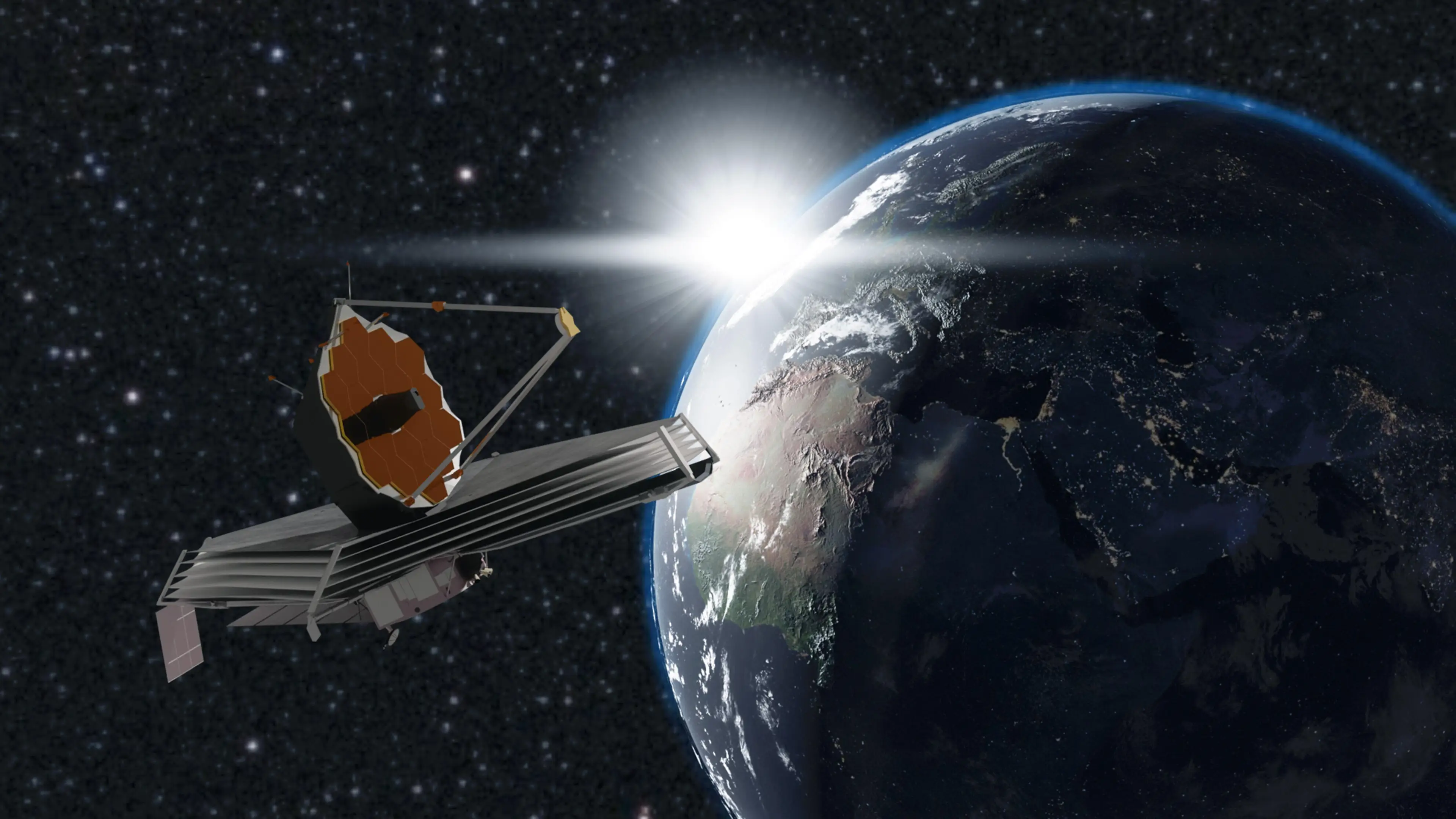
Space science boffins haven't yet been able to conclude what the planet's atmosphere is made out of.
They have, however, been able to rule out what it isn't.
Basically, they've concluded the atmosphere is not made up of a thick methane, similar to Titan, one of Saturn's moons.
Astrophysics Division director at NASA Headquarters Mark Clampin said the telescope's first discovery of a new planet will open multiple avenues for researchers trying to understand what lies amongst the stars.
"These first observational results from an Earth-size, rocky planet open the door to many future possibilities for studying rocky planet atmospheres with Webb," he said in a statement.
"Webb is bringing us closer and closer to a new understanding of Earth-like worlds outside our solar system, and the mission is only just getting started."
The James Webb research team is led by Kevin Stevenson and Jacob Lustig-Yaeger.
The dynamic duo revealed in a statement that their team will work to look closer at the planet in the coming months in order to analyse its atmosphere.
Lustig-Yaeger said: "We're at the forefront of studying small, rocky exoplanets.
"We have barely begun scratching the surface of what their atmospheres might be like."
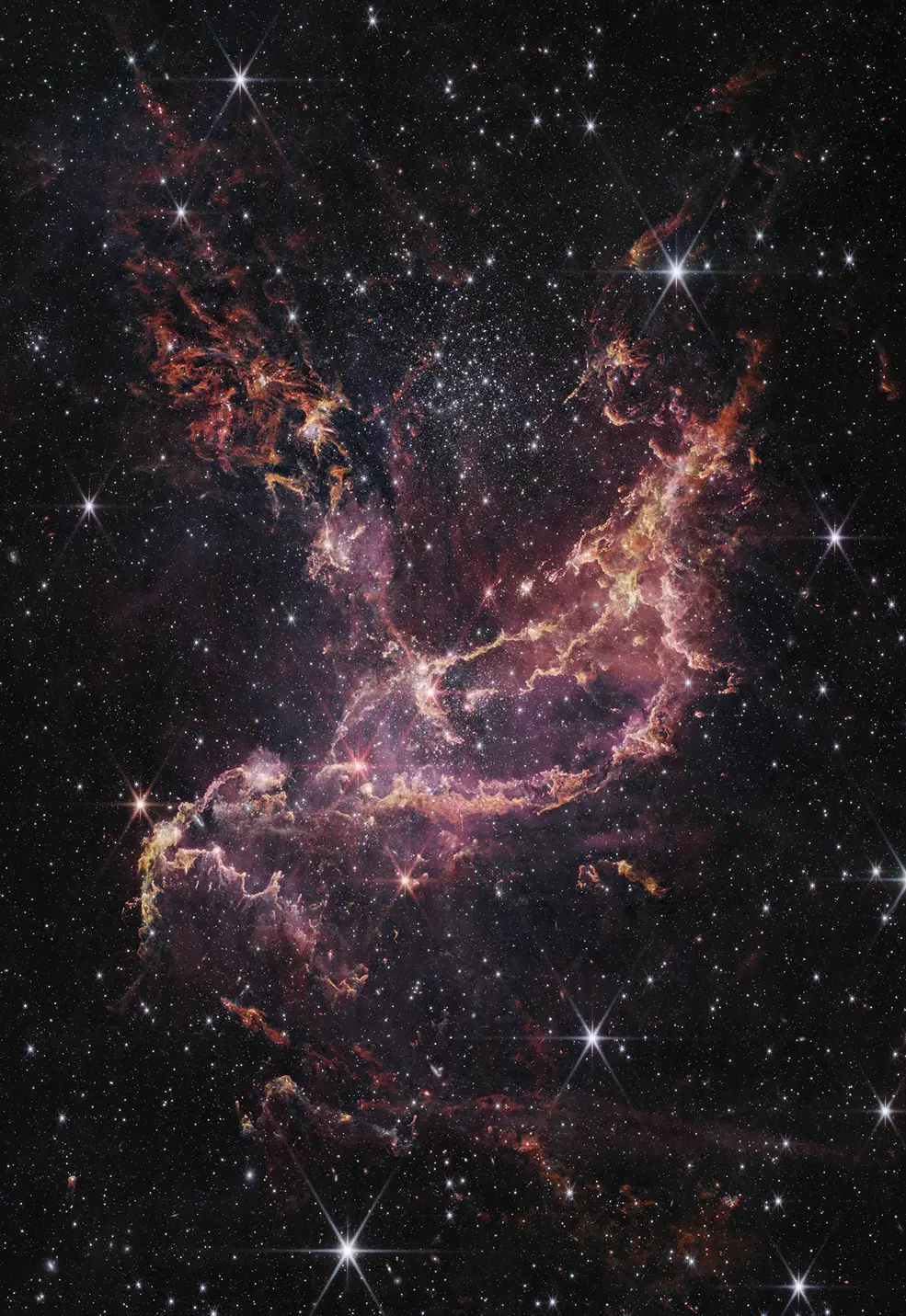
Stevenson added that Webb's latest finding will create more opportunities to discover other Earth-like planets in space.
"This rocky planet confirmation highlights the precision of the mission's instruments," he said.
Lustig-Yaeger chipped in with high hopes for Webb's future: "And it is only the first of many discoveries that it will make. 'With this telescope, rocky exoplanets are the new frontier."
James Webb Space Telescope revealed the planet, which sits only 41 light-years away or - 387,889,961,861,902.12 kilometres away in Earth measurements - is a few hundred degrees warmer than Earth and completes an orbit in two days.
Sounds like long summer nights and a bit of a tan to us.
Count us in.
Topics: NASA, Space, News, Science, Technology
 Rachel Lang