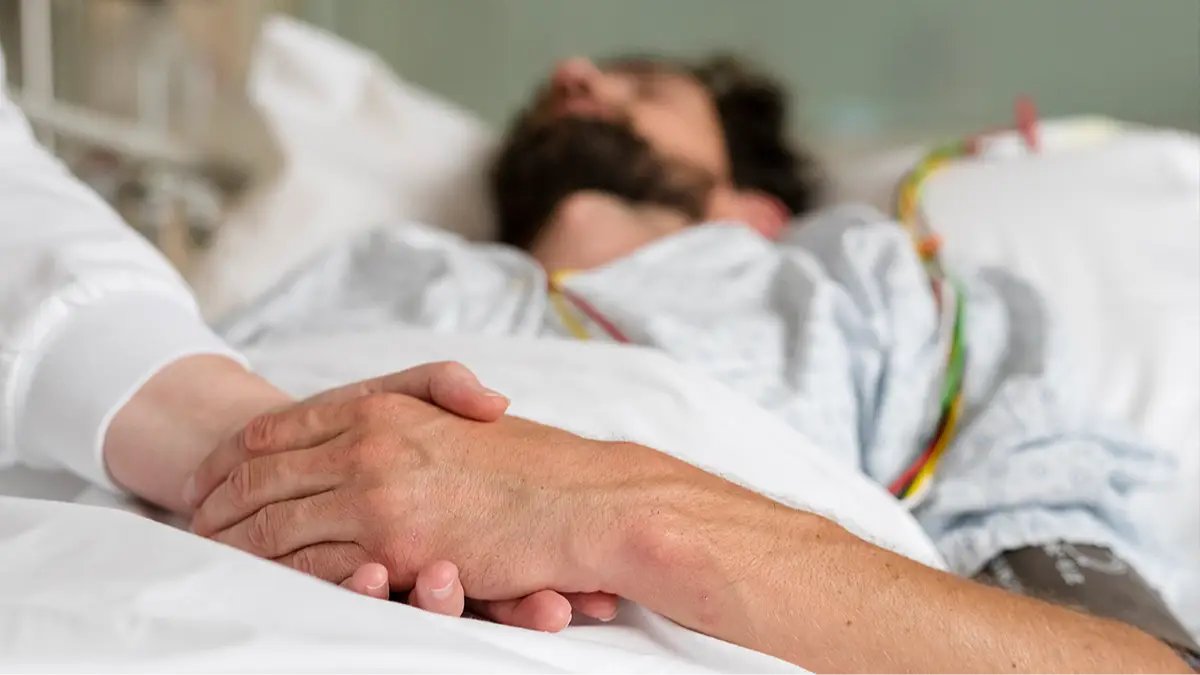
Scientists suggest our brains could experience 'new dimensions of reality' before we die

A groundbreaking study has suggested the human brain could experience 'new dimensions of reality' before death, while also detailing the last words a person may hear on their deathbed.
Much intrigue remains regarding what happens during the afterlife and, in particular, what is going on in the human body in the moments leading up to death and the minutes that proceed someone passing away.
There are countless stories out there from people who've claimed to have seen the afterlife, including a woman who 'died for 32 seconds' and has since issued a warning to humanity.
Meanwhile, experts are continuing to work on studies and new bits of research to provide a scientific backbone to all these claims.
Advert
Dr Sam Parnia, director of critical care and resuscitation research at NYU Langone School of Medicine in New York, previously worked on a study looking into what happens to the brain once a human dies, as well as speaking to survivors who have experienced near-death moments.

Parnia led a 2023 study that discovered a brain can 'wake up' even when healthcare professionals may be performing CPR following the heart stopping.
Thanks to data collected on electroencephalograms (EEGs), experts uncovered patients can potentially hear what people are saying in the room, describing it as if you were in a dream.
"Although doctors have long thought that the brain suffers permanent damage about 10 minutes after the heart stops supplying it with oxygen, our work found that the brain can show signs of electrical recovery long into ongoing CPR," Parnia said.
Scientists were also able to determine what patients would hear last following the end of CPR.
Terrifyingly, it's the doctor announcing the time of death of the individual before all forms of consciousness are wiped out.
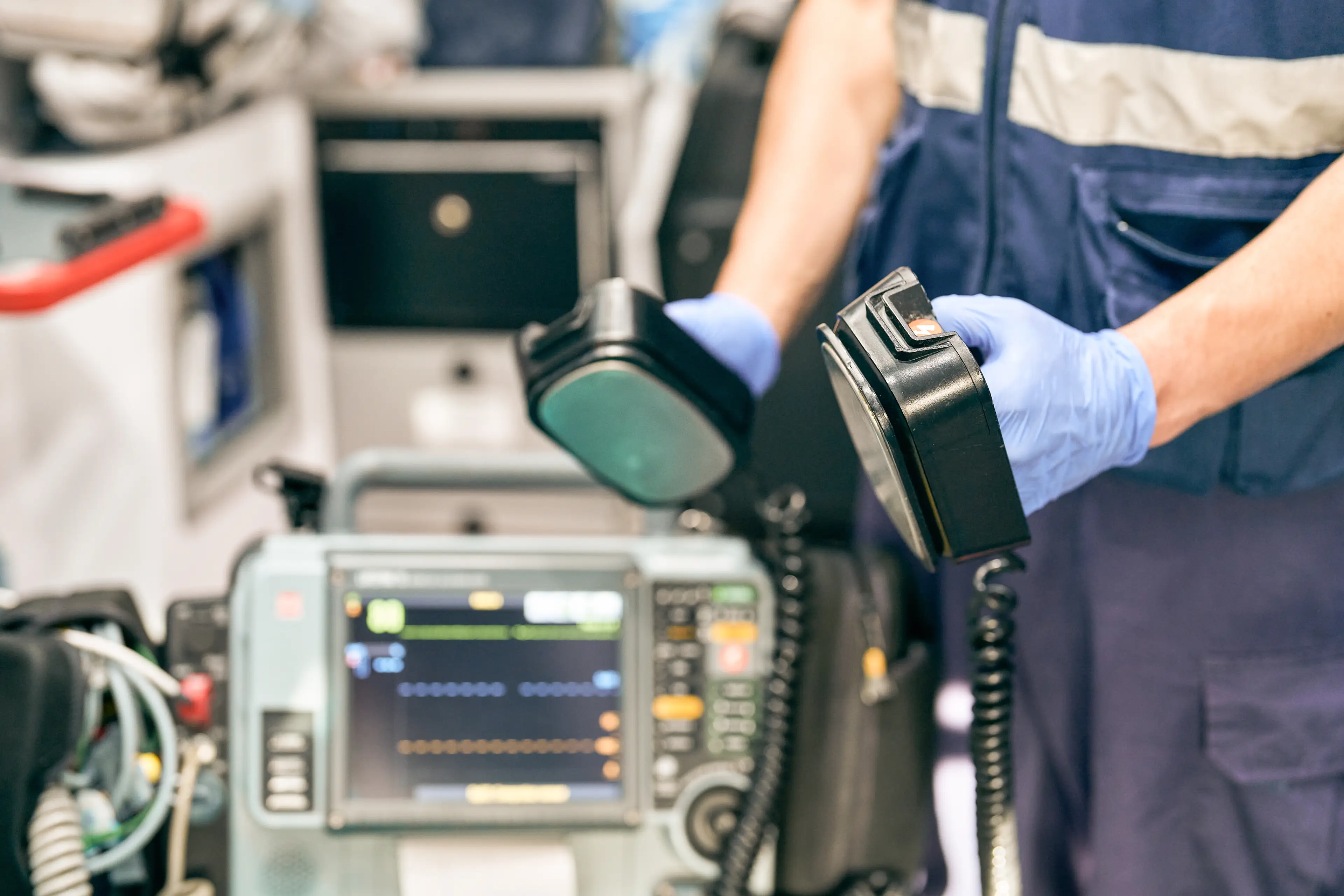
Experts have also been speaking about 'new dimensions of reality', which might see dying patients recalling all sorts of memories from their life, from the early years of childhood, all the way up to death.
While a lot of mystery remains about the findings, scientists say it 'opens the door to a systematic exploration of what happens when a person dies'.
On top of that, the team at NYU Langone School of Medicine believe the research 'may also guide the design of new ways to restart the heart or prevent brain injuries, and hold implications for transplantation'.
If you have experienced a bereavement and would like to speak with someone in confidence, contact GrieveWell on (734) 975-0238, or email [email protected].
 Callum Jones