US county where 'everybody has somebody in their family' with dementia as doctor speaks out on heartbreaking 'risk factors'

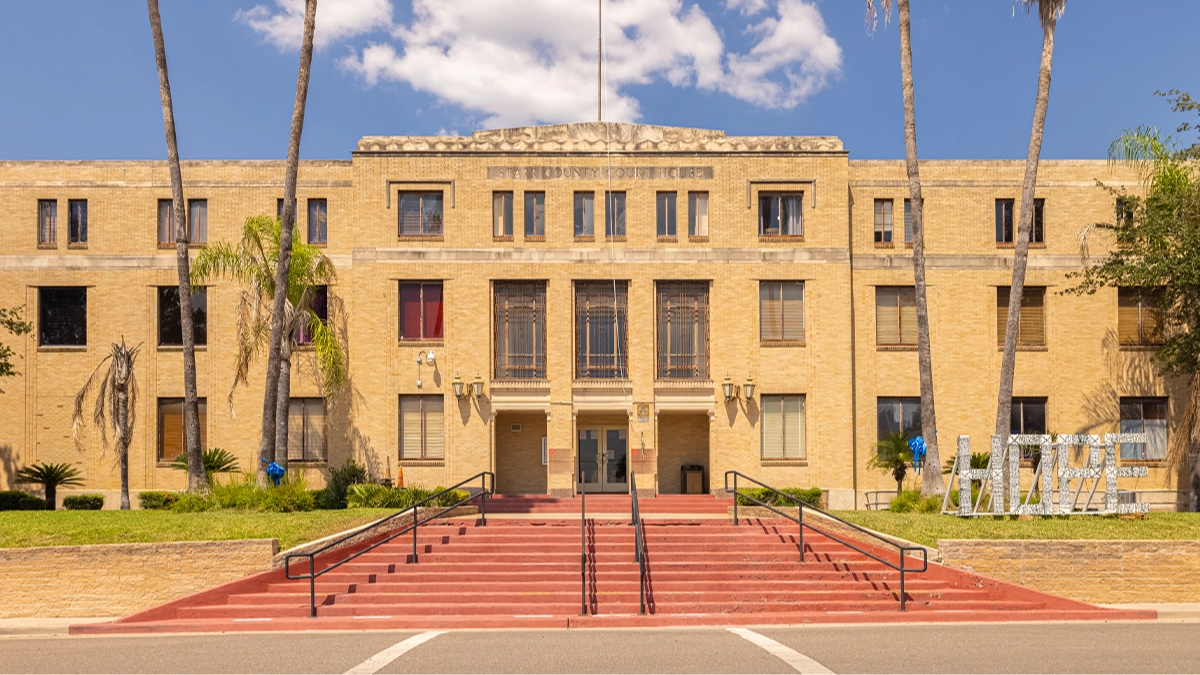
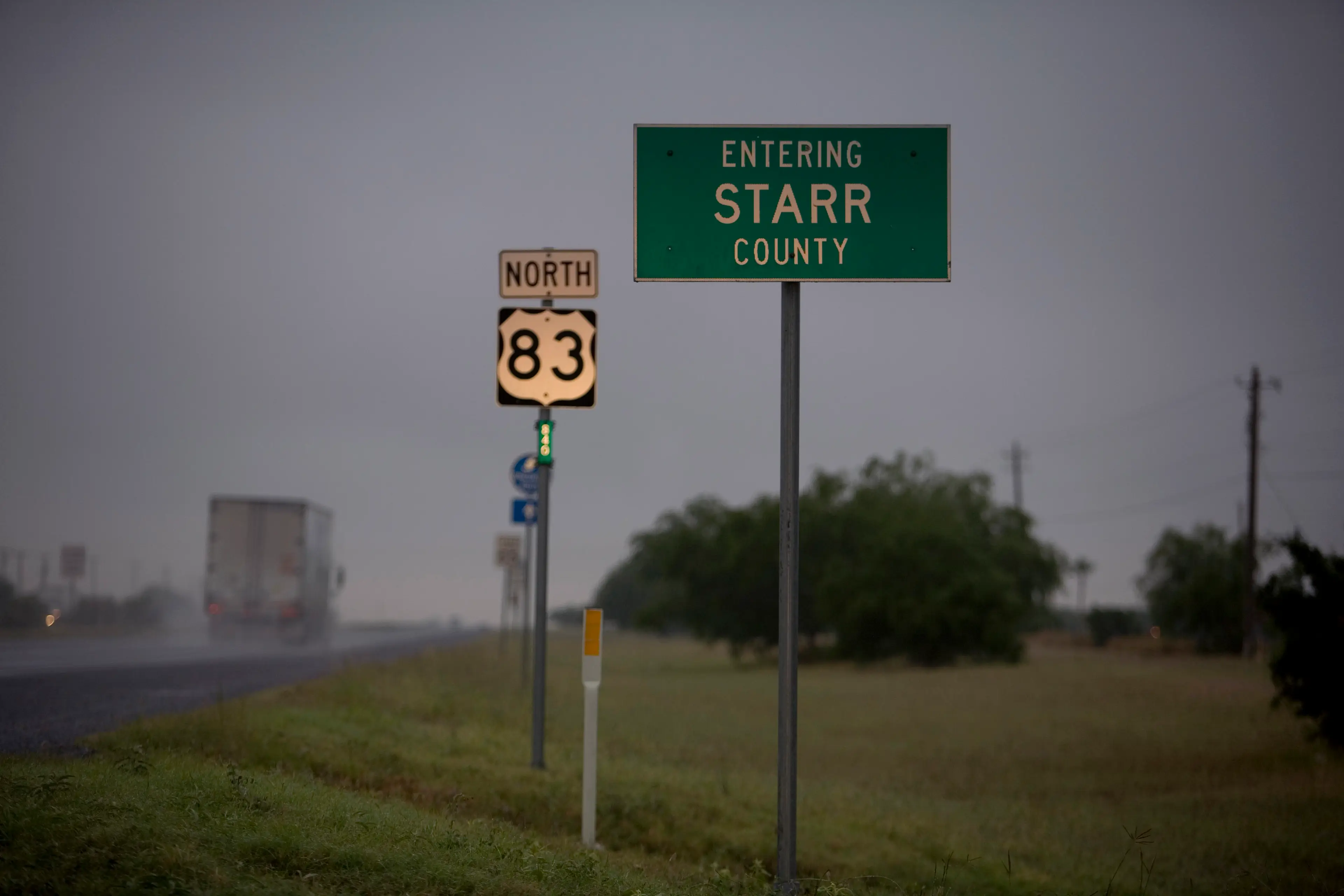
A county in the US has one of the highest rates of dementia in the country, to the point where it can feel 'impossible' for locals to escape the disease.
The southern-Texas county sees around one in five people receive a dementia diagnosis on Medicare, which is more than double the national average.
Dr Gladys Maestre, a neuroepidemiologist and Director of the Rio Grande Valley Alzheimer's Disease Resource Center for Minority Aging Research, told The Atlantic that 'everybody has somebody in their family' with dementia in Starr County.
The outlet states: "Dementia has no single trigger. As with many cancers, it can emerge from a lifetime of accumulated strain - from genetics, environment, and behavior.
Advert
"Researchers have identified a dozen risk factors that, if mitigated, could theoretically delay or prevent roughly 40 percent of cases worldwide: traumatic brain injury; conditions including high blood pressure, hearing loss, diabetes, and depression; habits such as smoking, inactivity, and heavy drinking; environmental and social forces including air pollution, social isolation, and limited education."
Though Dr Maestre noted that the 'risk factors usually do not come [as] one; they come in cluster'.
The Hispanic community makes up almost all of Starr County's population (around 66,000), while nearly one in three people are said to live in poverty and many don't have health insurance.
Dr Maestre told the Daily Mail: "Access to health is difficult in the area, so I believe we are only seeing the tip of the iceberg. I have also seen so many people aged around 50 already sick.
"The only way to give accurate estimations is by doing an epidemiological study, door by door in this case."
The likes of diabetes, high blood pressure, and heart disease are also 'widespread', according to The Atlantic, which could be linked to the higher dementia numbers.
While many in other parts of the US would move to a care home in the latter years of their lives following a dementia diagnosis, that's not often the case in Starr County.
For example, it's perfectly common for those greatly impacted by the disease to remain at home and be looked after by their loved ones until they die.
Juan 'Manny' Saenz, who lost his 94-year-old father to the disease recently, said: "He was never, never - since the day I brought him to my home - he was never one day alone."
The Rio Grande City local added: "We take care of our own."
While there are some things you can do to reduce the risk of dementia, the NHS notes that there's 'no certain way to prevent all types'.
A recent study concluded that more frequent social activity was linked to a 38 percent lower chance of developing dementia and a 21 percent lower risk of mild cognitive impairment.
And that social activity could be just about anything, such as dining out with friends, going to religious services or staying in touch with others.
If you've been affected by dementia or Alzheimer's and would like to speak with someone in confidence, contact the Alzheimer's Association via 800.272.3900 open 24 hours seven days a week.
 Callum Jones