Doctor explains benefits of micro-dosing Ozempic as woman who tried it reveals what it really did to her body

An expert has discussed micro-dosing so-called ‘skinny jabs’, alleging there are ‘benefits’ to the controversial injecting method, despite a woman revealing she ‘lost the will to live’ while using smaller dosages.
Ozempic may not be an FDA-approved weight management solution, but some users have reported a loss of appetite, food thoughts quietening, and dropping size as common side effects.
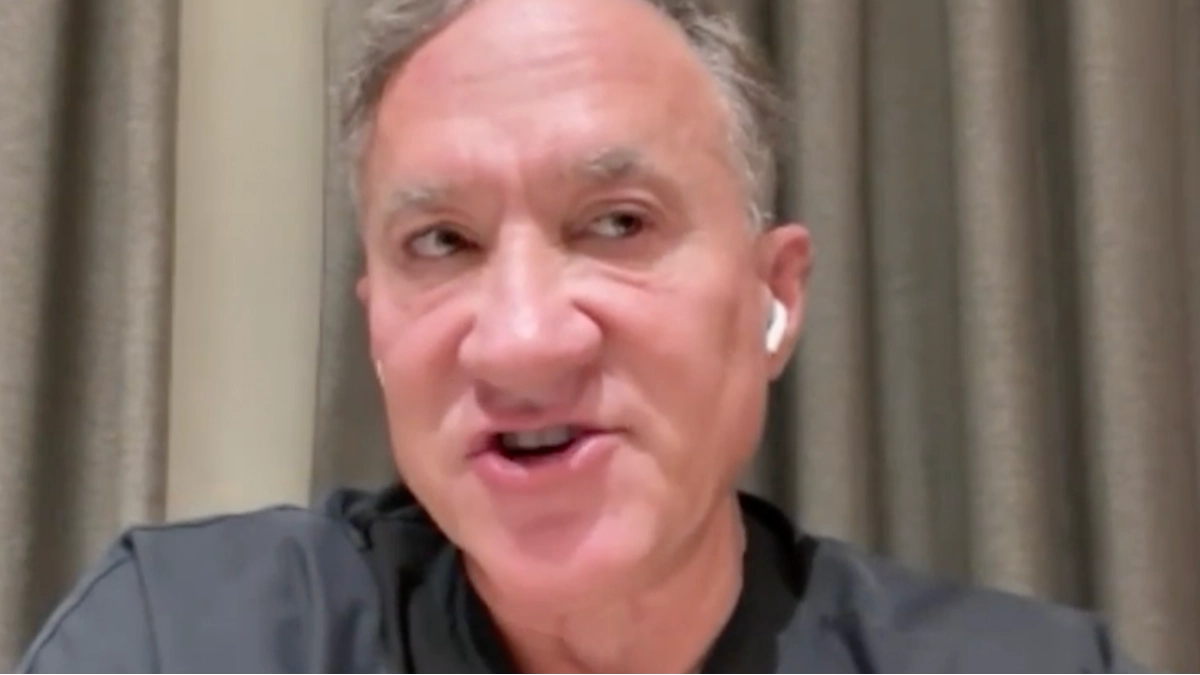
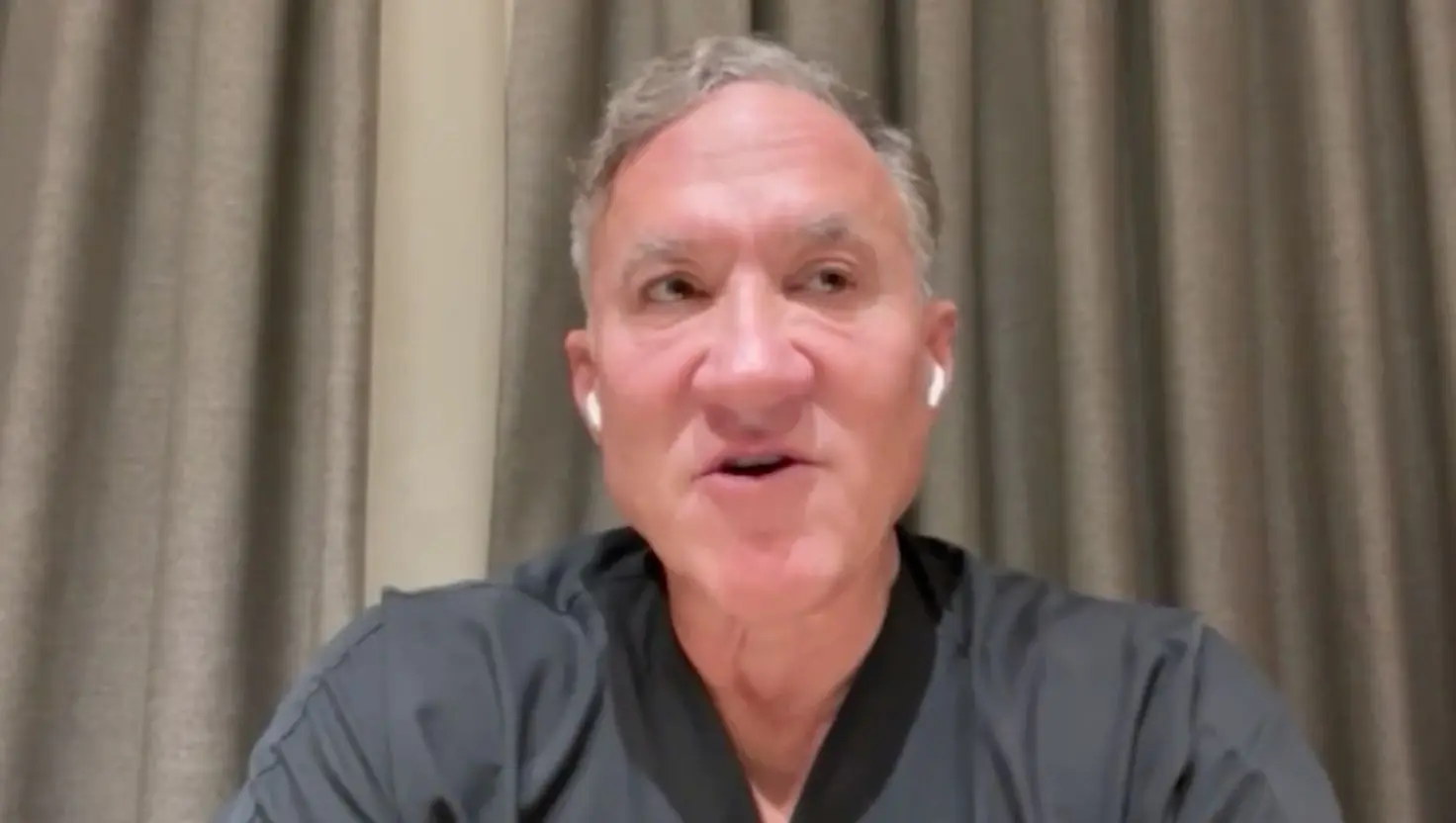
According to Dr. Terry Dubrow, a plastic surgeon and TV personality based in Newport Beach, California, Ozempic could also improve our brain and heart health if administered in small doses.
While manufacturer Novo Nordisk does ‘not condone practices such as micro-dosing’, Dr Dubrow has explained that taking a low daily dose could soon become as common as taking a multivitamin.
Advert
"Even if you’re not overweight, being on these GLP-1 drugs … helps to minimize and prevent a recurrent heart attack,” the expert told Fox News.
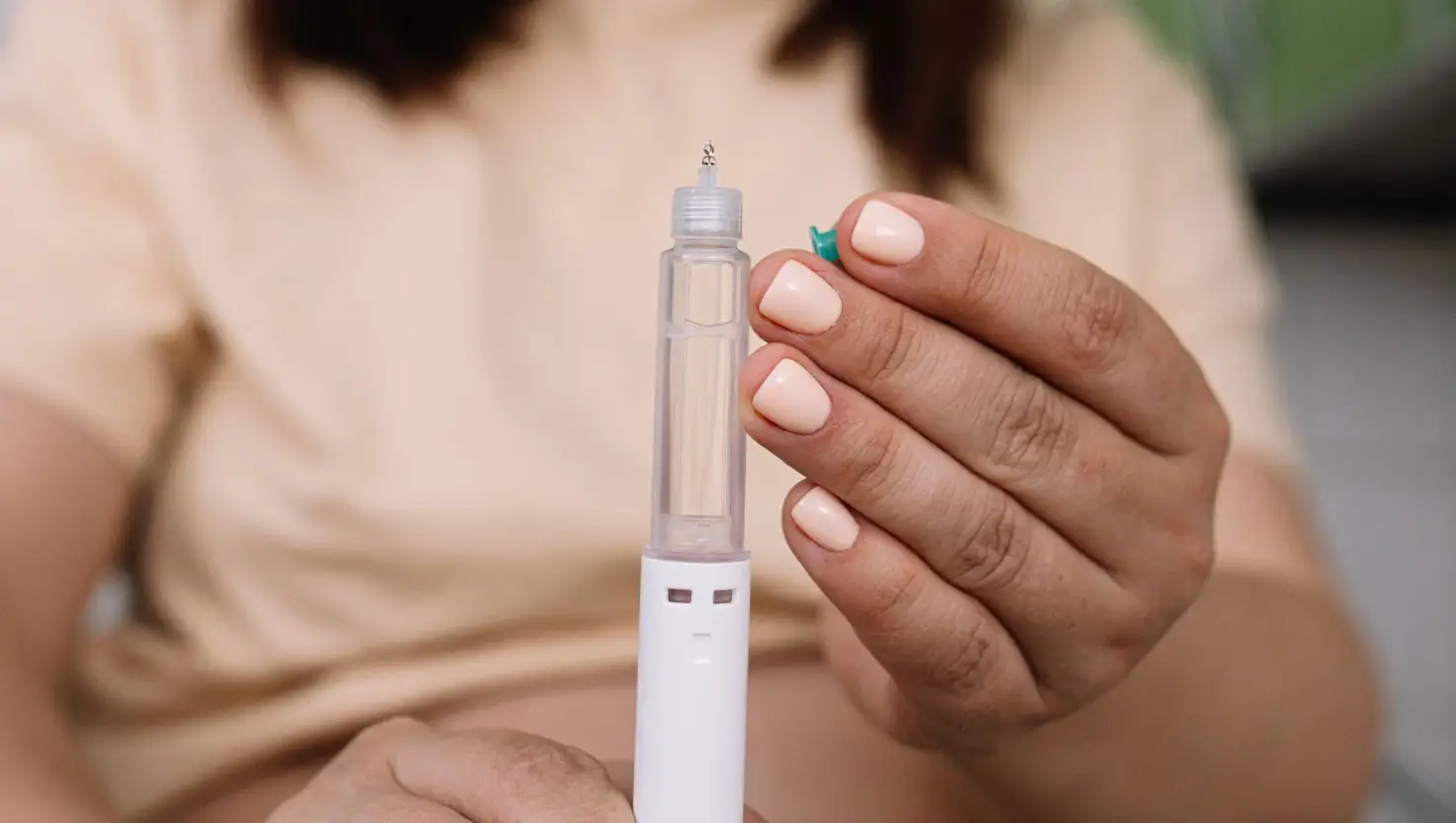
"I am obsessed with the concept of micro-dosing," he said. "I think maybe half the starting dose for diabetes is the way to go — and you probably don't need it every seven days, it's probably every 10 days, just to sort of modulate the amount of sugar in the blood.”
He further argued that a small dosage of Ozempic has a ‘low propensity’ toward negative side effects, such as constipation, nausea, diarrhea, and GERD (reflux).
"I think those side effects are less significant for people who microdose.”
There is no official guidance for micro-dosing GLP-1 injectables, and it’s advised that you speak to your doctor for guidance before attempting the controversial practice.
However, according to Medical News Today, there is not enough evidence to suggest micro-dosing semaglutide (Wegovy and Ozempic) is 'safe or effective'.
Dr Dubrow said if you do decide to use the drugs, then you should increase your protein intake and incorporate resistance training as a core component of an exercise routine to counteract the risk of muscle loss.
Various medication makers have spoken out against micro-dosing. A spokesperson for Novo Nordisk, the manufacturer of Ozempic told UNILAD: “Novo Nordisk recommends that all our products are used as per the recommended doses in the SmPC.
“We do not condone practices such as micro-dosing, which are inconsistent with our clinical trials and licensed doses.”
“Lilly does not have any data on the benefits or risks of micro-dosing of Zepbound and Mounjaro,” an Eli Lilly spokesperson told Fox News.
"Both autoinjectors and Zepbound vials are approved for single-use only — dose-splitting or ‘micro-dosing’ is not contemplated by the FDA label. As such, off-label use of Zepbound and Mounjaro may pose patient safety risks.”
Despite warnings from both Ozempic and Wegovy manufacturers, one woman has tried micro-dosing GLP-1 medications and has explained the effect it had on her body.
Writing in The Independent, Charlotte Cripps said she’d been splitting her 1mg medication dose in half to 0.50mg and spacing out the doses fortnightly.
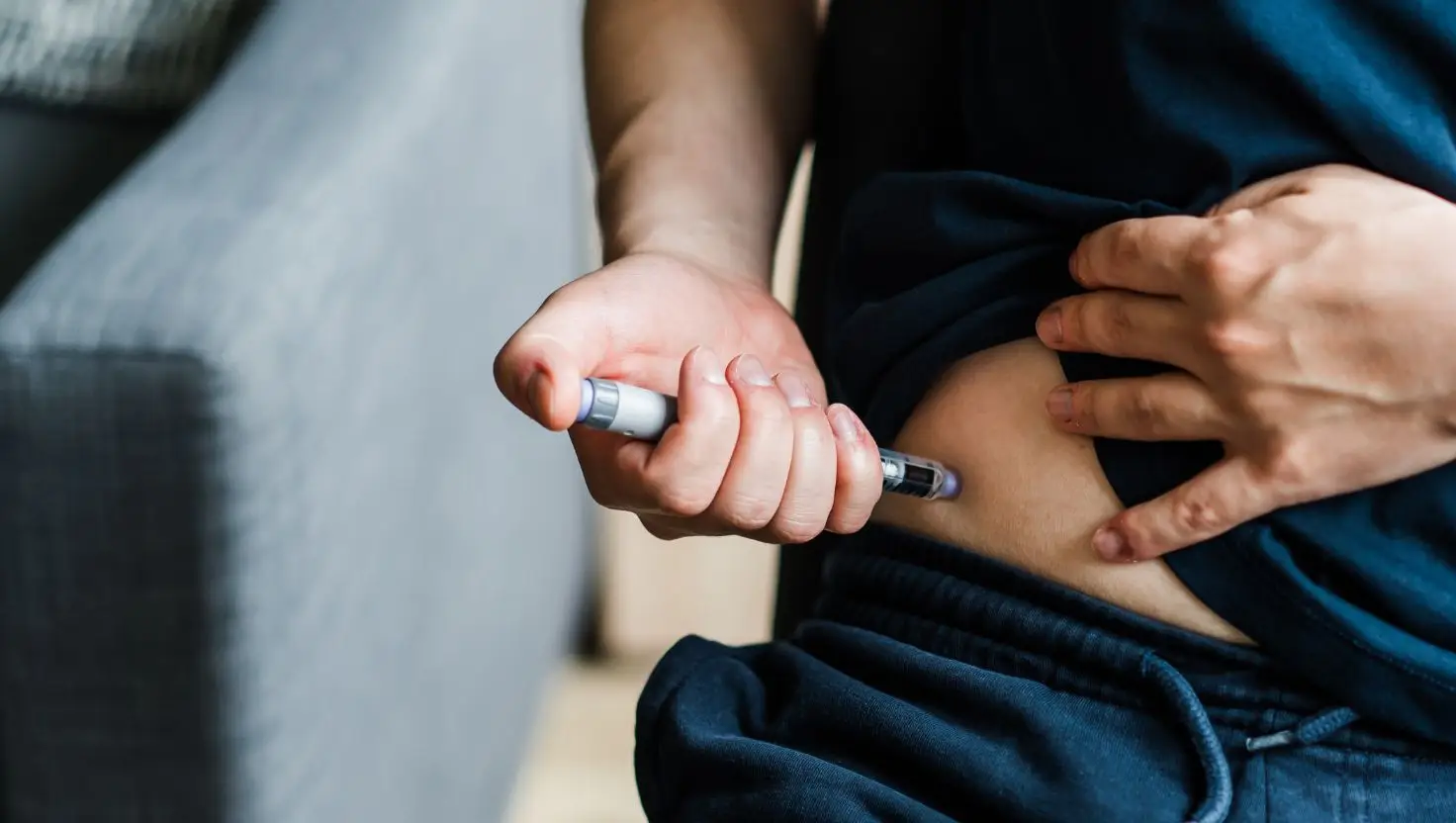
"The idea behind microdosing is that you may be able to get the same benefits with less of the drug,” she alleged.
“There are no specific studies to compare microdosing regimes with approved dosages, so nobody has a clue about how safe it is," Cripps penned.
The reporter admitted that while she successfully lost up to a fifth of her body weight within a year and also restored her cholesterol levels to normal, she felt 'miserable' and at risk of a nutritional deficit as well as muscle wastage.
She added: “I lost the will to live. I had no social life.”
 Ella Scott