
unilad homepage
  • News
    • UK News
    • US News
    • World News
    • Crime
    • Health
    • Money
    • Sport
    • Travel
  • Film and TV
    • Netflix
  • Music
  • Tech
  • Features
  • Celebrity
  • Politics
  • Advertise
  • Terms
  • Privacy & Cookies
  • LADbible Group
  • LADbible
  • SPORTbible
  • GAMINGbible
  • Tyla
  • UNILAD Tech
  • FOODbible
  • License Our Content
  • About Us & Contact
  • Jobs
  • Latest
  • Archive
  • Topics A-Z
  • Authors
Facebook
Instagram
X
Threads
TikTok
YouTube
Submit Your Content
Scientists discover oldest known human virus in 50,000 year old bones

Home> News> Health

Published 19:27 15 May 2024 GMT+1

Scientists discover oldest known human virus in 50,000 year old bones

Researchers from the Federal University of São Paulo made the historic discovery

Niamh Shackleton

Niamh Shackleton

google discoverFollow us on Google Discover
Featured Image Credit: Getty Stock Images / CDC/Dr. G. William Gary, Jr./Public Domain

Topics: Science, Health, News, World News

Niamh Shackleton
Niamh Shackleton

Niamh Shackleton is an experienced journalist for UNILAD, specialising in topics including mental health and showbiz, as well as anything Henry Cavill and cat related. She has previously worked for OK! Magazine, Caters and Kennedy.

X

@niamhshackleton

Advert

Advert

Advert

The oldest human virus on record has been discovered by scientists after conducting research on bones believed to be 50,000 years old.

Researchers at the Federal University of São Paulo, Brazil, have been looking into the theory that a virus could have caused Neanderthals' extinction and have been analyzing two sets of Neanderthal remains to try find their answers.

The remains are believed to date back over 50,000 years, and were discovered in Chagyrskaya cave in Russia.

Scientists combed through their DNA data sets and searched for 'viral remnants in sequencing reads of Neanderthal genome data by mapping to adenovirus, herpesvirus and papillomavirus'.

Advert
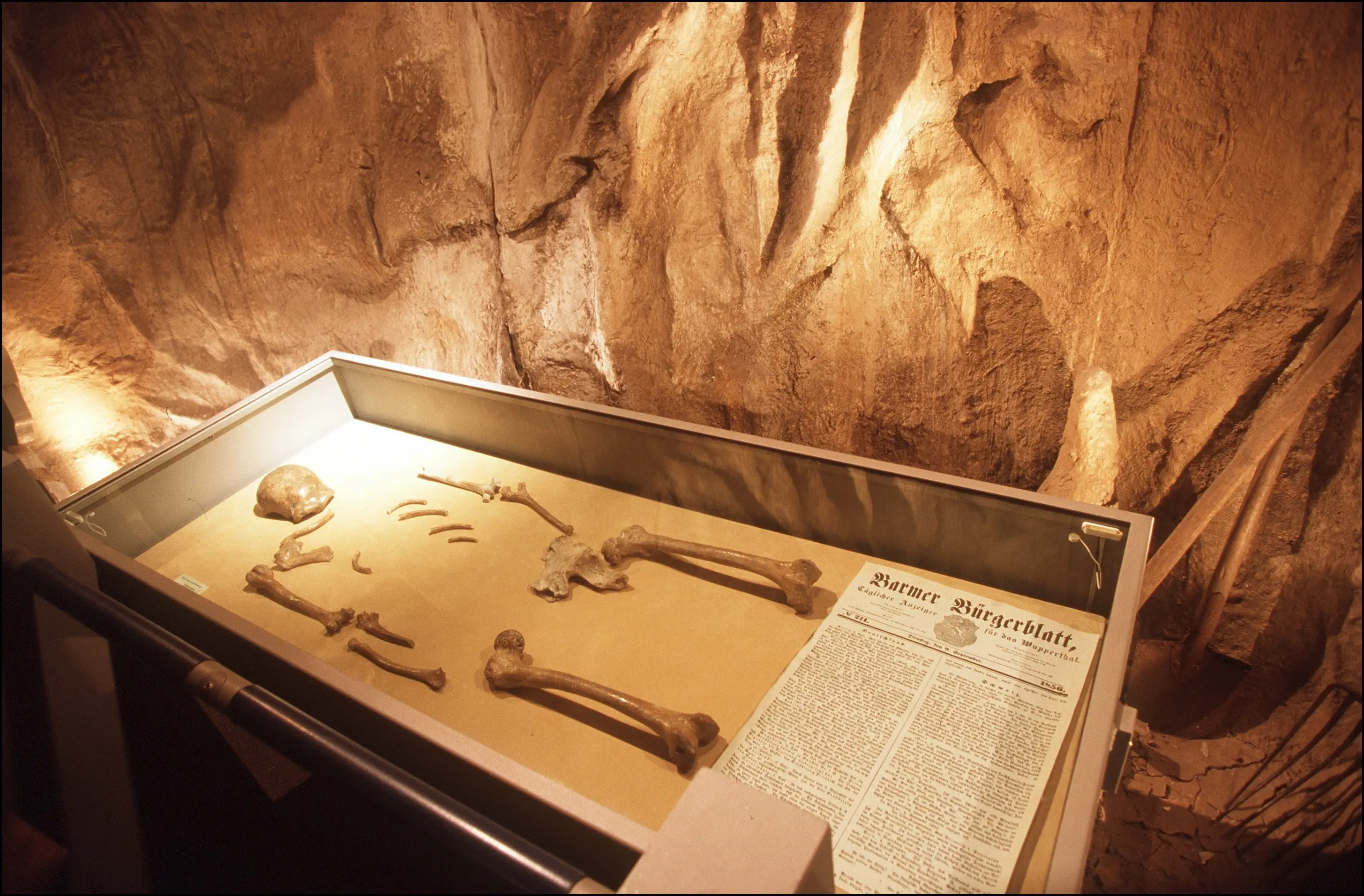
Neanderthal bones were analyzed for the study. (Patrick AVENTURIER/Gamma-Rapho via Getty Images)

These three groups are described as 'double stranded DNA viruses that may establish lifelong latency and can, produce persistent infections'.

Remnants of adenovirus, herpesvirus and papillomavirus were all found in the DNA, making them the oldest human viruses ever discovered.

Part of the study published last month read: "Sequencing reads mapped to extant viral genomes showed deamination patterns of ancient DNA and that these ancient viral genomes showed divergence consistent with the age of these samples and viral evolutionary rates."

The findings now present the idea that Neanderthals could have fallen ill with some of the same viruses that affect us to this day.

The virus found dates back 50,000 years. (TEK IMAGE/SCIENCE PHOTO LIBRARY)

For example, adenovirus causes cold and flu-like illnesses and affects people of all ages any time of year.

The new findings replace a 31,600-year-old virus that was previously the oldest virus to have been discovered.

In 2021, scientists from the University of Copenhagen found the virus on two milk teeth.

The teeth was said to have 'concealed DNA from a pathogenic virus that was already rife and attacking human beings as far back as 31,600 years ago', the Lundbeck Foundation wrote at the time.

The find what they were looking for, the pair of teeth were ground up and partially pulverised.

The DNA they contained were then recorded in a so-called sequencing process.
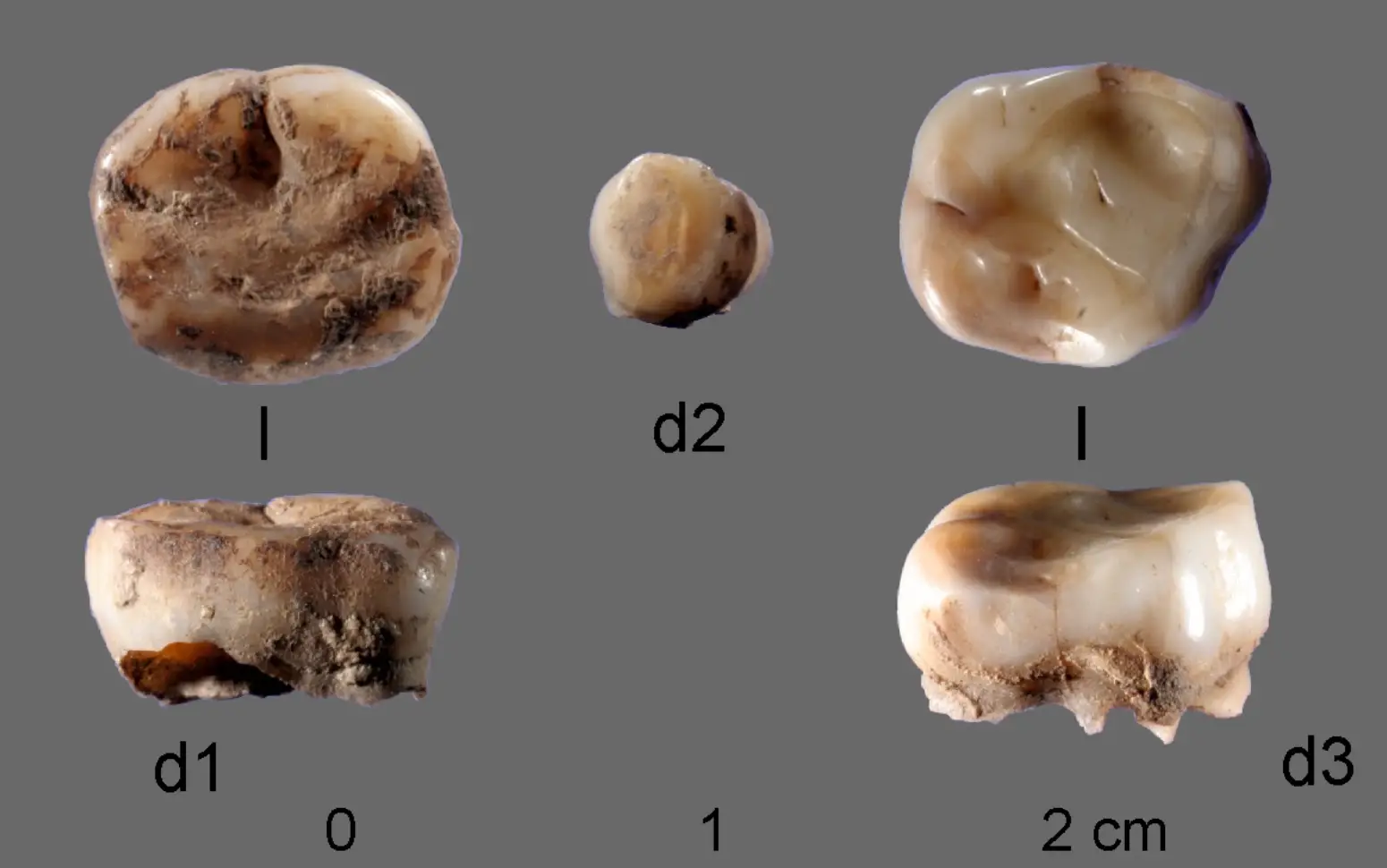
Milk teeth were found to have a thousands year old virus in them. (Lundbeck Foundation GeoGenetics Center/Mælketænderne fra Sibirien)

Associate Professor Martin Sikora, who led the study, said of their research method: "This meant you could find the person’s own DNA, but in addition to that, also all the DNA from, for example, bacteria and viruses that was encapsulated in calcium deposits on the tooth or carried to the tooth via the person’s bloodstream."

Like in the new study, the 2021 findings also discovered adenovirus, which was first isolated in 1953.

With that in mind, the oldest samples of the virus had been only 70 years old - but it believed to date back much later than that.

Guest researcher at the University of Copenhagen, Sofie Holtsmark Nielsen explained: "When you look at the mutations that the virus has undergone in this short space of time, your immediate assumption might be that it’s a young virus. But it’s not."

Choose your content:

12 mins ago
17 mins ago
an hour ago
  • Getty Stock Image
    12 mins ago

    Woman who took 14 shots and fell on cruise ship wins lawsuit and is set to receive massive payout

    Diana Sanders, a nurse from California, suffered a fall after drinking 14 tequila shots in a single day

    News
  • Gareth Cattermole/Getty Images
    17 mins ago

    Victoria Beckham breaks silence on feud with son Brooklyn after he posted scathing rant

    The Beckham family feud escalated in January when David and Victoria's eldest, Brooklyn, posted a detailed rant on social media

    Celebrity
  • Getty Stock Image
    an hour ago

    Doctor reveals what female ejaculation really looks like

    People have argued for thousands of years over the existence of female ejaculation but a gynecologist has set the record straight

    News
  • Brianna Bryson/WireImage
    an hour ago

    Megyn Kelly hits out at Euphoria creator over 'sick' Sydney Sweeney scene

    It's not the only scene from the new season to cause controversy

    Film & TV
  • Scientists issue warning over controversial plan to launch 50,000 mirrors into space
  • Mystery of cave known as 'most dangerous place on Earth' that left visitors with one of the deadliest diseases known to man
  • Scientists accidentally discovered a new organ in the human body
  • Archeologists discover 6,000-year-old skeletons with unexplained DNA that could rewrite history