Risks of using marijuana long-term as worrying amount of people depend on drug for sleep

It's been found that nearly 13 percent of Americans use some kind of sleep aid to help them get some well-needed rest, 3.7 percent of whom rely on marijuana or CBD products at night.
The National Center for Health Statistics (NCHS) have produced a new report that examined adults who used sleep aids most days or every day over the last month.
The data, taken in 2024, revealed that 12.9 percent percent fell into this bracket; 3.7 percent use marijuana (cannabis) or CBD, 5.2 percent used prescription sleep medications, and 5.7 percent used over-the-counter medications or supplements.
Meanwhile, a Sleep Foundation survey published last year found that 77 percent of men and 64 percent of women between 21 and 64 have used cannabis at some point to sleep.
Advert
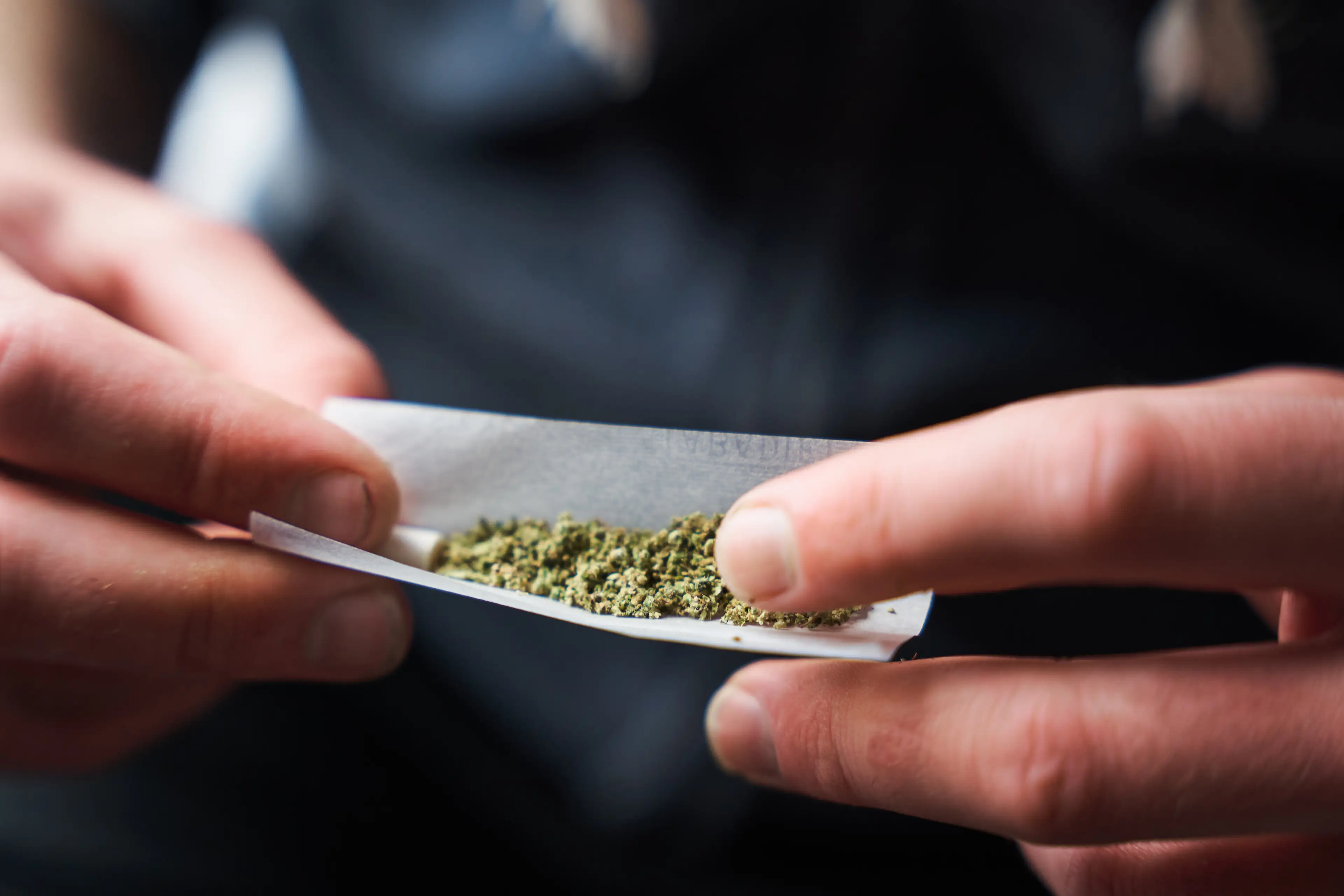
One key thing to note about the benefits of cannabis and sleep is that it depends on the strain. The Sleep Foundation explains: "Indica strains may feel more calming and promote sleepiness, while sativa strains are often stimulating, though outcomes depend heavily on individual physiology."
"Hybrid strains with a mix of indica and sativa may produce different effects based on the specific makeup of cannabinoids and other ingredients," it adds on its website.
The drug can indeed help you fall asleep faster on a short-term basis, but the jury's still out on just how good the quality of sleep you'll get afterwards is. There are also risks that come with long-term use of cannabis.
In the long run, does cannabis actually help you sleep?
According to the American Academy of Sleep Medicine, studies of people who regularly use cannabis for medical reasons showed they woke up more often in the middle of the night.
Meanwhile, while 21 percent of studies showed improvements in sleep with the use of cannabis products, 48 percent found it had the opposite effect.
A 2019 study looked at 11 frequent cannabis users and eight non-users and monitored their sleep. It found that the cannabis users has a 'significantly longer sleep latency' - sleep latency being the time it takes for you to fall asleep once you've turned out the lights.
The cannabis users also reported less REM (rapid eye movement) sleep overall. According to Harvard Health, REM sleep helps with learning, mood regulation and might even protect against dementia - so getting less of it isn't great.
And the cannabis users reported 'higher bizarreness in their dreams', which doesn't sound fun.
What are the other risks of long-term cannabis use?
Away from sleep, studies have found that using the substance can affect the amount of gray matter in the brain. Per Cleveland Clinic, gray matter is 'a vital part of your brain and spinal cord that supports thinking, movement and memory'.
According to the Centers for Disease Control and Prevention (CDC), because cannabis makes your heart beat faster and raises your blood pressure, it can also increase the risks of strokes and heart disease.
Smoking cannabis can also scar lung tissue and damage small blood vessels.
The drug has also been linked to social anxiety, depression, and schizophrenia, but the CDC adds that 'scientists don't yet fully understand the relationships between these mental health disorders and cannabis use'.
It's not all bad news about cannabis, though... a study released earlier this year revealed that older people who had ingested the drug in some form performed better on cognitive tests.
Discussing the findings, Dr Anika Guha, a clinical psychologist at the University of Colorado Anschutz Medical Campus, said: "I was a little surprised that every cognitive measure that demonstrated a significant effect showed better performance among cannabis user.
"It goes against your default assumptions because I think a lot of research out there has shown cannabis is associated with worse cognitive function, at least acutely."
 Niamh Shackleton