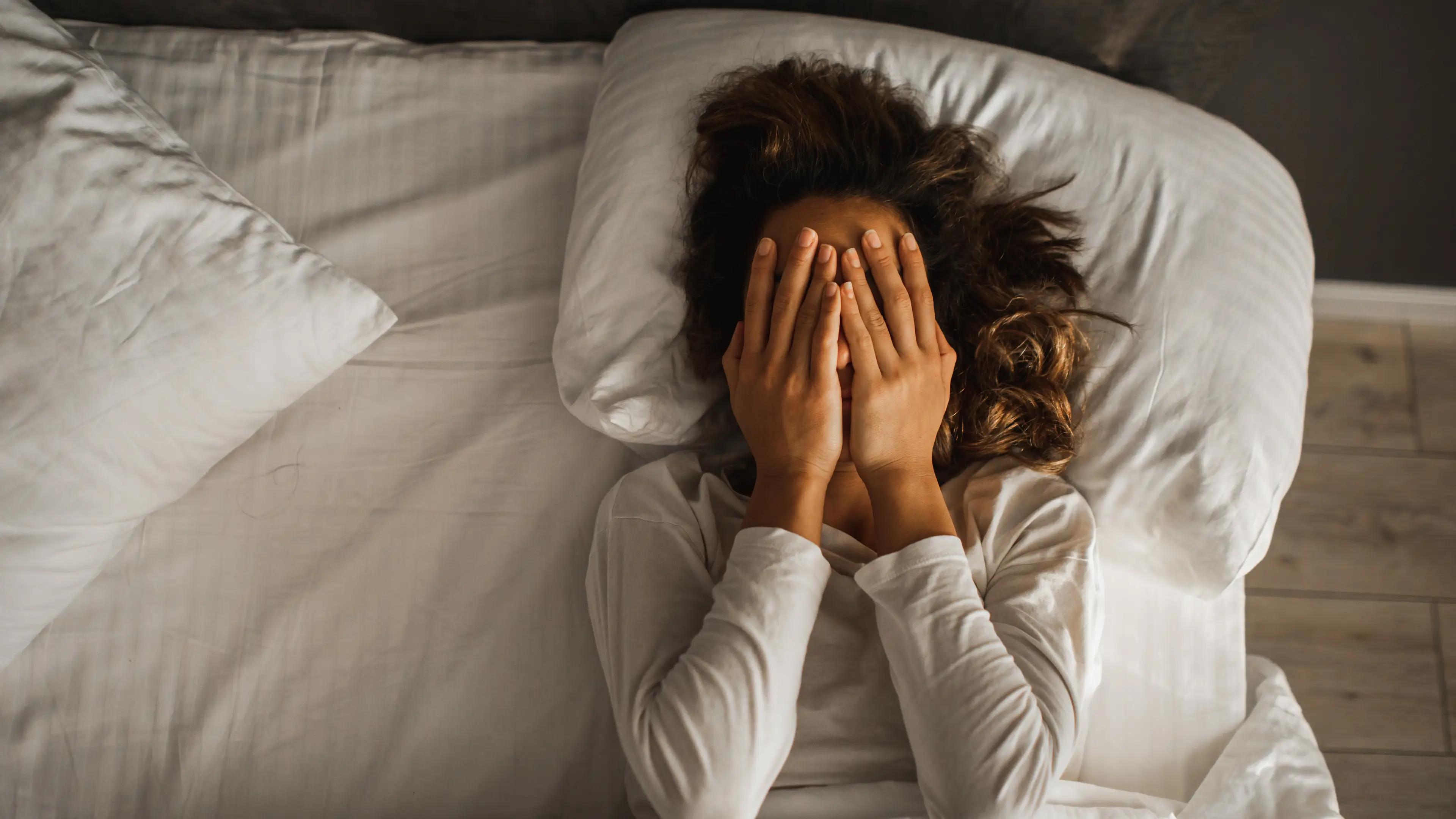
Exactly what happens to your body when you don't sleep for 24, 36 and 72 hours explained

If you've ever had a sleepless night then you'll know what it feels like to be sleep-deprived.
But it's one thing to get a poor night's sleep, quite another to go for a full 24 hours or longer with absolutely no sleep whatsoever.
Humans need sleep to function, and without it we start to experience a whole range of unpleasant symptoms.
To be clear - we're really not just talking about feeling a bit drowsy or nodding off, these symptoms can become extreme.
Advert
Generally it is recommended to get about 8 hours of sleep a night, though this can vary at different stages of our lives, with some people needing a lot more.
Let's start with the less serious end of sleep deprivation, according to Healthline, where you can go for a day without sleep.
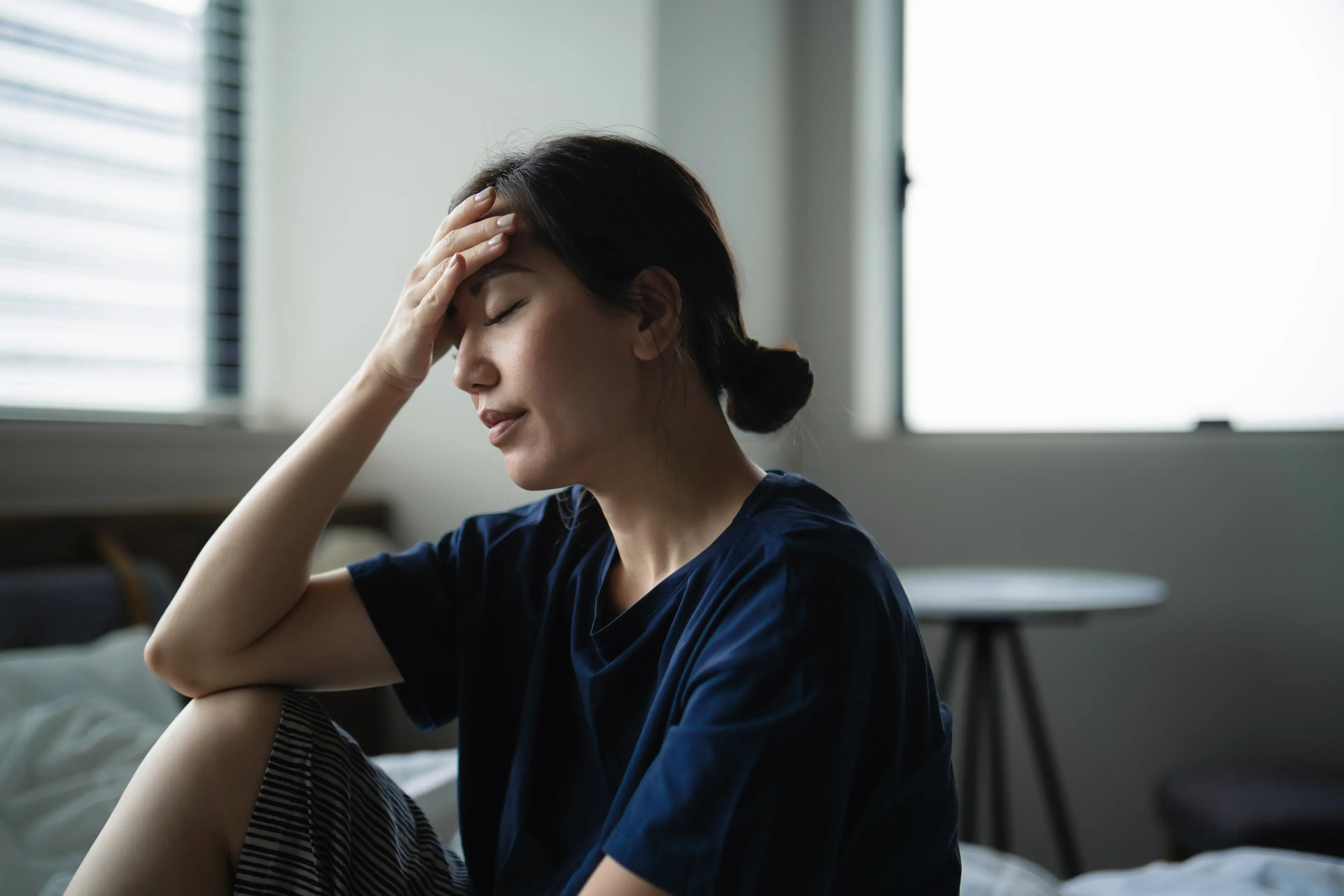
24 hours
This is a level of sleep deprivation that a lot of us have probably experienced at some point in our life.
Whether it's a particularly hectic period at work, looking after a newborn baby, or an extended night out, 24 hours can pass by surprisingly quickly.
At this stage you probably won't experience any of the more serious side effects, but will definitely feel very tired and out of sorts.
You might also want to avoid driving, as it will also reduce your alertness, attention span, and executive function, and is comparable to a blood alcohol level of 0.10 percent - for reference, the legal limit to drive in 0.08 percent.
48 hours
This is a very different situation to 24 hours, and not so many of us haven't slept for this long.
By 48 hours we've moved beyond the kind of tired that a double espresso will help with, and into more serious symptoms.
Eventually your body will be so desperate for sleep that it may start doing 'microsleeps' where it sleeps for a few seconds.
You may start to get temporal disorientation, where you lose track of time, depersonalization, that's the feeling of looking at yourself from outside yourself, and perceptual distortions.
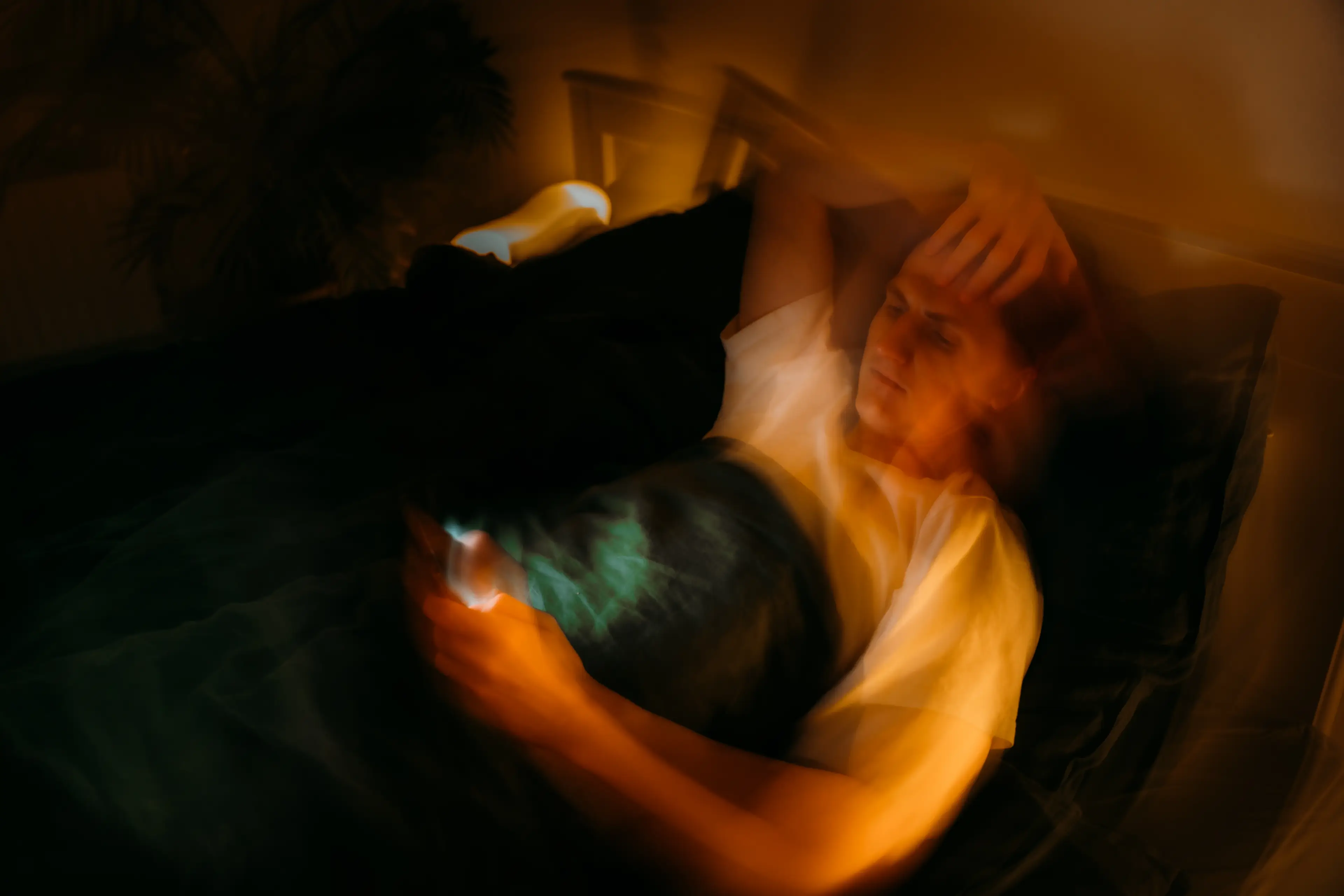
72 hours
After three full days of not sleeping you can experience some of the more terrifying symptoms.
In addition to your urge to sleep becoming increasingly strong, you may experience symptoms which are comparable to a psychiatric disorder.
These include complex hallucinations - which are the stronger kind.
You might also start to develop delusions, as well as disordered thinking, both of which are also symptoms of serious mental health conditions.
And by this stage simply getting a good night's sleep isn't going to be enough to get back to normal.
Recovery from severe sleep deprivation can take several days of proper rest.
Topics: News, World News, Health, Sleep
 Kit Roberts