Researchers outline 'potentially scary' link between nose picking and this incurable disease

Nose-picking might give you some kind of immediate relief, but the gross habit could come back to haunt you later in life.
It's likely your mom will have told you as a kid not to pick your nose, and it seems as if there's a more important reason you shouldn't do it other than it being a bit gross.
We all do it. Most of us will do it behind closed doors, but we've all seen that one guy on the train merrily digging for gold up his nose in public.
Picking your nose can trigger something called chlamydia pneumoniae. The Centers for Disease Control and Prevention (CDC) describe this 'a type of bacteria that can cause respiratory tract infections'.
Advert
"The bacteria cause illness by damaging the lining of the respiratory tract, including the throat, windpipe, and lungs," it adds.
This bacterium commonly causes ear, sinus, and sore throat infections. However, it can also cause more serious illnesses like bronchitis, laryngitis, and pneumonia, the CDC warns.
Even more worryingly, research has since found a possible link between chlamydia pneumoniae and Alzheimer's disease.
In 2022, Griffith University in Australia conducted a study using mice.
The research found that picking one's nose can lead to chlamydia pneumoniae travelling into the olfactory nerve in the noses of mice. This bacterium then travels to the brain.
Once in the brain, certain bacteria can stimulate the deposition of amyloid beta protein, which can possibly lead to the development of Alzheimer's.
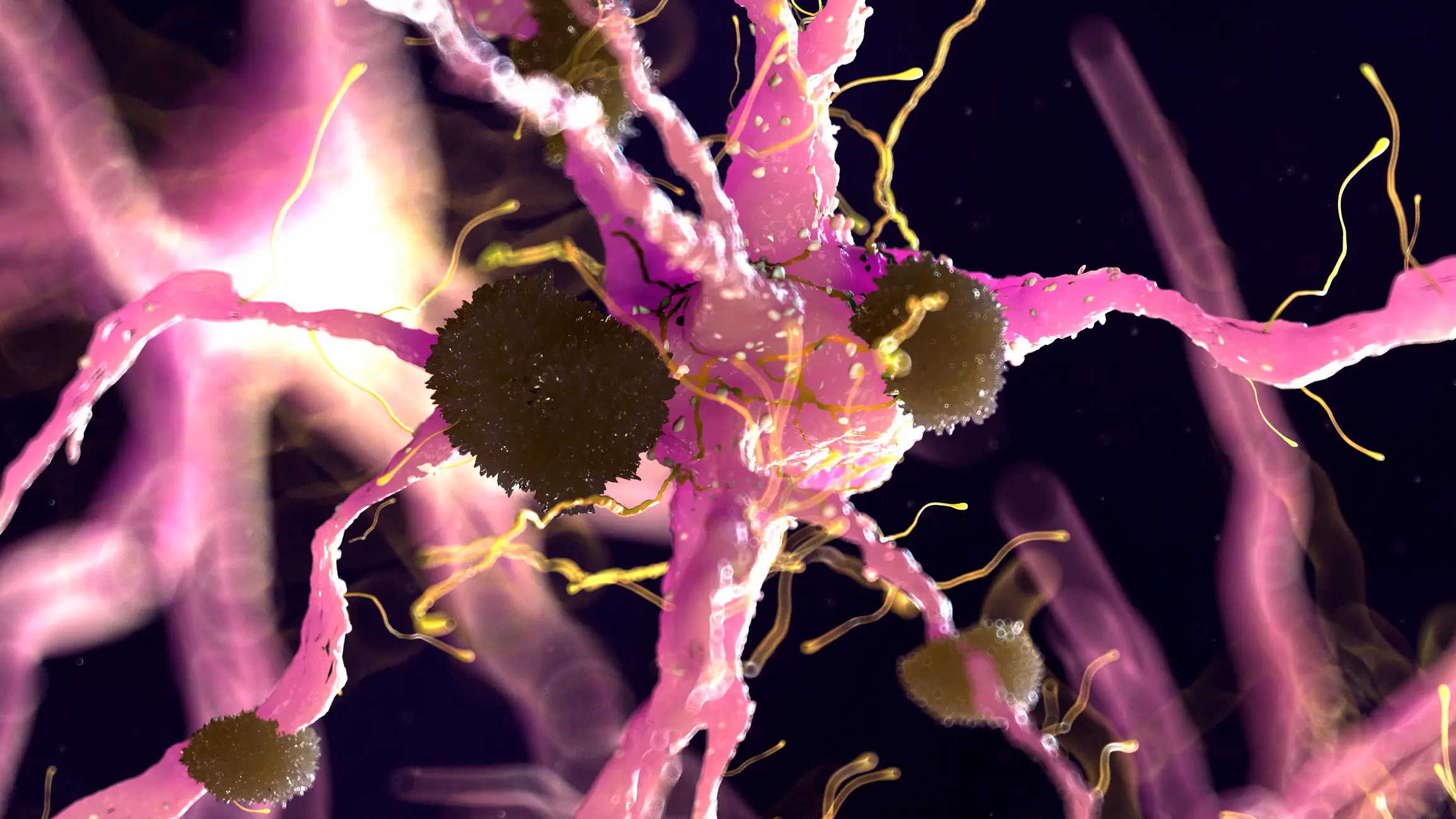
Amyloid beta is implicated in the formation of brain plaques that are thought to underlie the symptoms of Alzheimer's disease. These might include memory loss, language problems, and unpredictable behavior.
Neuroscientist James St John said of this research at the time of its publication (via New York Post): "We’re the first to show that Chlamydia pneumoniae can go directly up the nose and into the brain, where it can set off pathologies that look like Alzheimer’s disease.
"We saw this happen in a mouse model, and the evidence is potentially scary for humans as well."
However, it's definitely not an instant thing, as St John went on to further explain to Medical News Today: "We also think that it might be a long, slow process. So we don’t think that getting the bacteria in the brain means that you will get dementia next week.
"Instead, we think the bacteria set off a slow progression of pathologies that may take decades before resulting in symptoms."
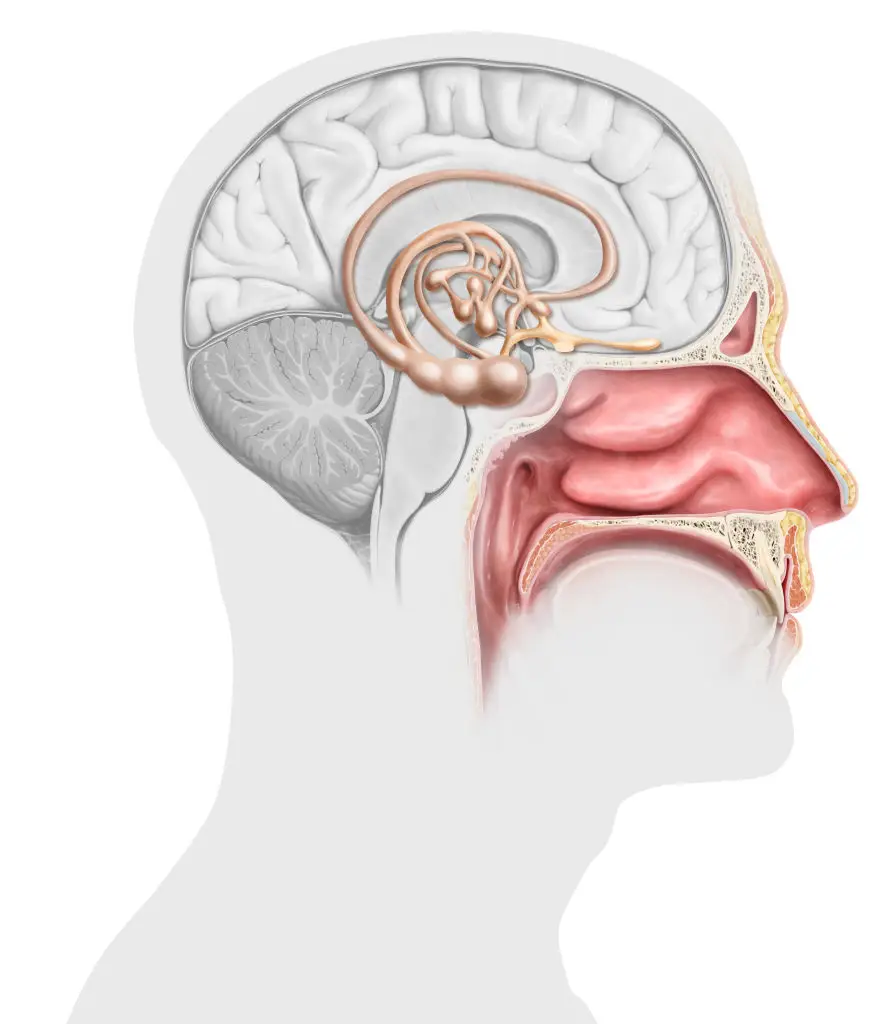
A separate narrative review published in the National Library of Medicine in 2023 further examined the theory that neuroinflammation in Alzheimer's disease may be partially caused by pathogens entering the brain through the olfactory system (the sensory system for smell) via nose-picking.
Researchers said as part of their conclusion: "Understanding the potential role of olfactory pathogen entry in AD-associated neuroinflammation opens up new avenues for prevention.
"Among all the entry routes, the improvement of hand hygiene might be an easy prevention step, as learned from the COVID-19 epidemic.
"One of the lessons learned from COVID-19 is the value of hand hygiene through frequent hand washing and the use of hand sanitizers, and we suggest these routine hygienic procedures be mandatory routine procedures for the incurable nose-picker."
 Niamh Shackleton