
Global study reveals shocking number of adults qualify for weight loss injections

A global study has revealed the number of adults who can actually qualify for weight loss injections.
Researchers looked at data from over 810,000 adults across 99 countries, after examining surveys carried out between 2008 and 2021 and made some staggering findings.
GLP-1 agonist injections, such as Wegovy and Mounjaro, have helped millions of people to lose a considerable amount of body mass, becoming an integral tool in the fight against obesity.
In fact, in the US, around one in eight people currently take a weight loss drug.
Advert
They work by mimicking the glucagon-like peptide 1 hormone that helps you to regulate when and how much you eat, taking away the desire to eat more than you need, which makes it so hard for many people to follow a diet plan.
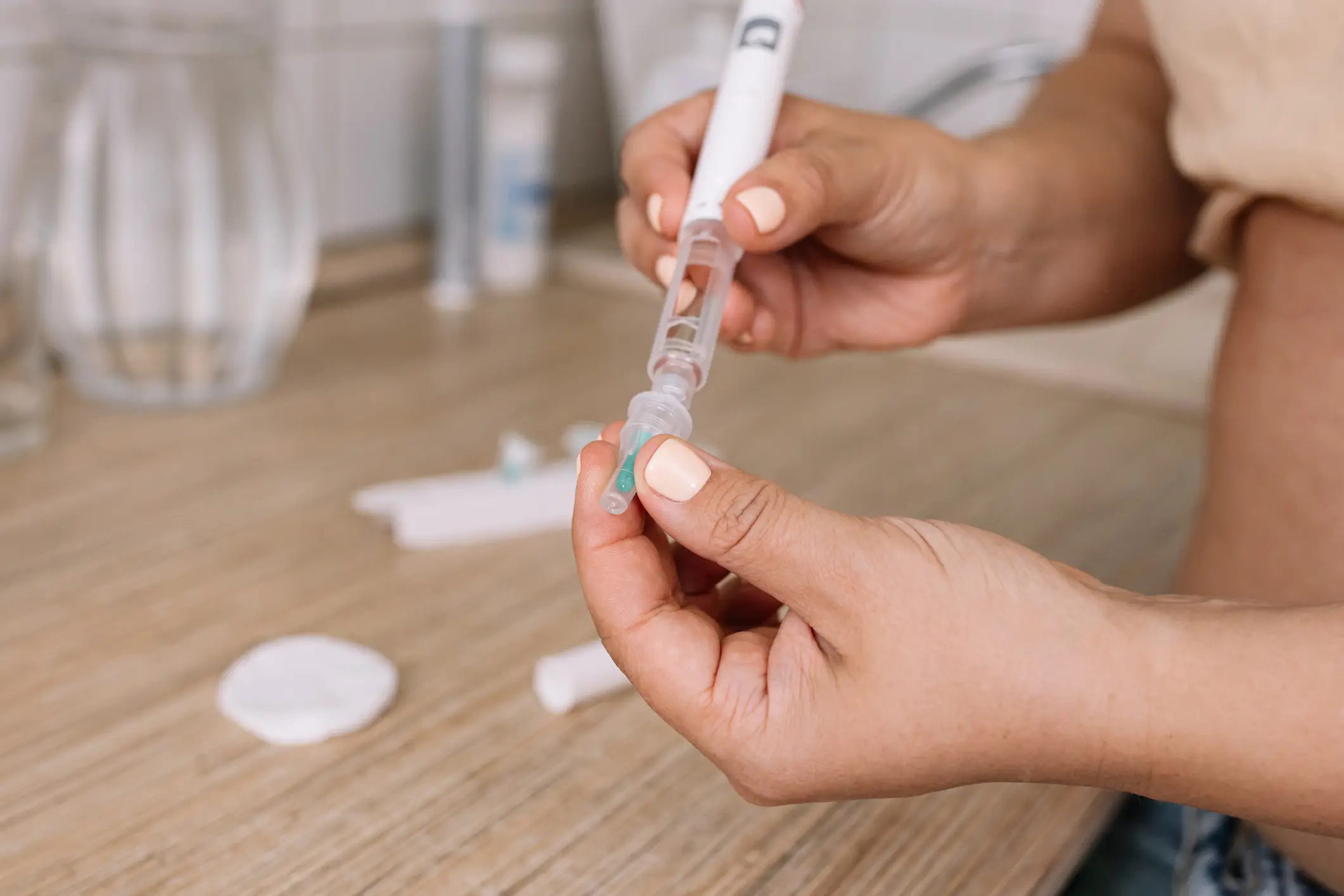
According to a recent study, published in a research letter in The Lancet Diabetes & Endocrinology, it turns out that around 799 million people would meet the threshold for weight jabs globally.
This rate is highest in Europe and North America, with over two in five adults qualifying.
Adults were classed as eligible if they were clinically obese or if they were overweight and had other health problems, such as diabetes or high blood pressure.
The figures revealed that women were more likely to qualify than men. Meanwhile, older age brackets were more likely to meet the criteria.
Senior author Dr Jennifer Manne-Goehler, of Mass General Brigham, explained: "For decades, we told people the problem was simply eating too much and moving too little.

"These medicines show that biology plays a much bigger role than we once thought."
Earlier this month, experts issued a warning to anyone who uses weight loss drugs.
In a study published in PLOS Global Public Health, a number of researchers outlined how weight loss medication is shaping everyday life and impacting people.
"Across sites, people routinely adjust dosing schedules, count clicks on injection pens, space out injections, or stop and restart treatment," the authors of the study said.
"These strategies are developed in response to cost, shortages, and social media, rather than sound medical advice."
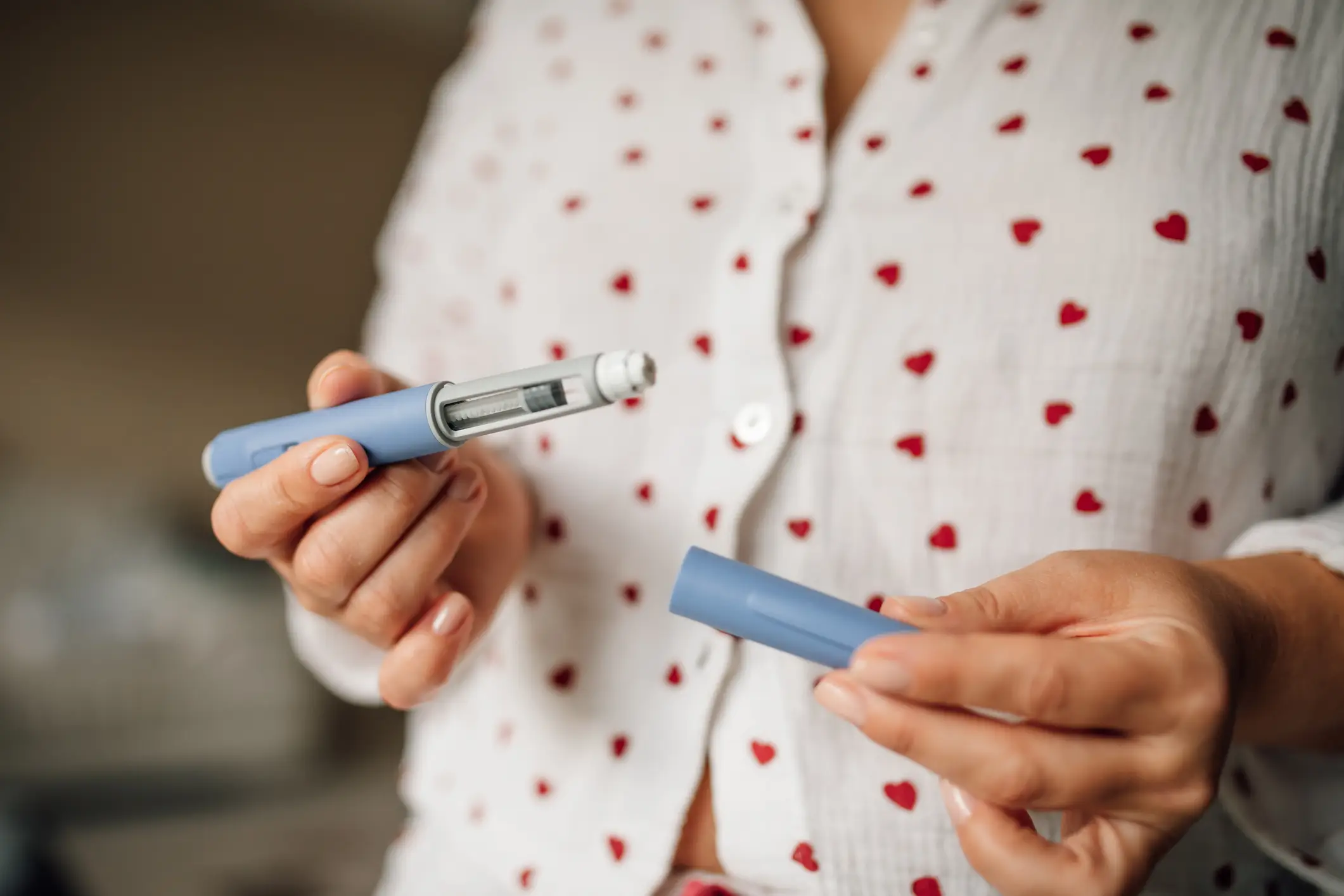
With lots of information circulating on social media platforms, experts have warned that while 'emotional support and practical advice' can be taken from online content, it is vital to remember that normalising 'risky practices' is common, as well as circulating misinformation.
The study also adds: "While these factors can give patients a sense of greater control over their health, they also amplify concerns about limited data on off-label use and unsupervised dosing.
"Greater attention to often chaotic real-world use patterns is essential for accurately assessing drug side effects and safety."
Topics: Health, World News, Science
 Lucy Devine