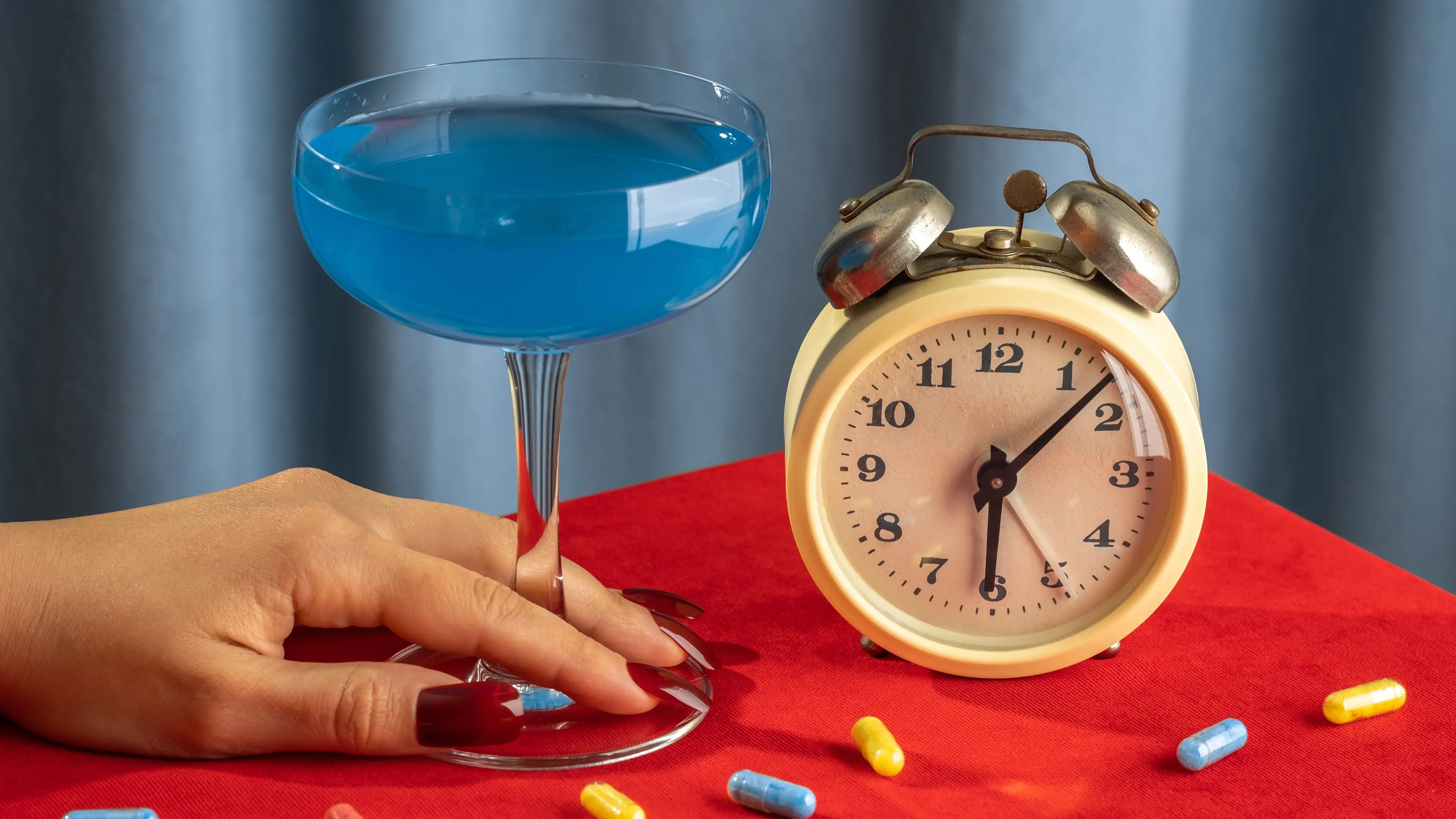
Expert reveals the specific medications you should 'never' mix with alcohol

While most people are aware of the dangers, a pharmacist has revealed just how damning it can be if you consume alcohol while on certain types of medications.
Enjoying an alcoholic beverage from time to time is a normal part of life for many across societies around the world. However, a lot of people don’t give up regular consumption of alcohol unless they are abstaining for a cause or health reasons.
With that said, when consuming medication, many labels advise against drinking alcohol while on them, a piece of advice that is occasionally ignored.
Pharmacist Deborah Grayson has warned that this could be a very ill-advised decision.
Advert
Speaking to the Mail Online, she highlighted some of the dangerous side effects that can occur if you ignore this warning and which specific medications could result in the worst symptoms.
Antibiotics
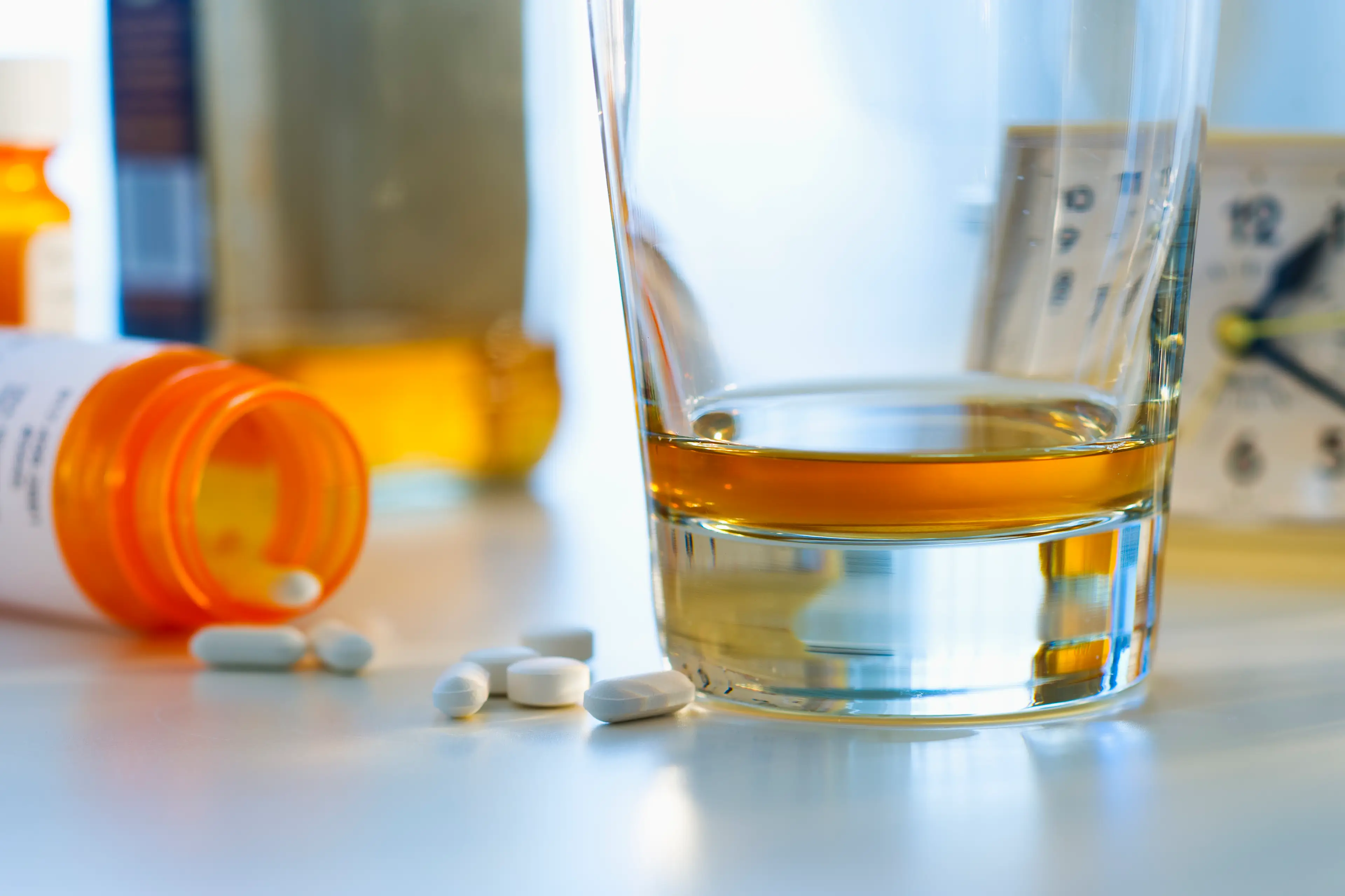
Antibiotics are pretty common when fighting an infection within the body, but Grayson said drinking alcohol is never advised while on them.
She reiterated this point by saying it should be avoided, especially when taking metronidazole or ciprofloxacin.
Metronidazole is often used to tackle anaerobic bacterial infections, while ciprofloxacin is prescribed to treat STIs and pneumonia.
She said: “If you mix that particular antibiotic with alcohol, it can make you significantly poorly, to the point that sometimes patients have felt like they've almost been dying. It's been that severe.
“That warning is on the label, but sometimes people don't realize that even just a tiny bit of alcohol such as a sherry trifle can cause a significant reaction.”
Blood Thinners
Blood thinners can often be life-saving medications which prevent blood clots from forming in the body, and can be integral in preventing a heart attack or stroke.
Grayson warned against mixing alcohol and the medication Warfarin due to the complications it can cause.
"Alcohol can interfere with how the body processes this blood thinner, increasing the risk of blood clots and internal bleeding."
Antidepressants
According to the British National Health Service (NHS), combining alcohol and antidepressants can result in unwanted side effects.
Grayson explained: “Alcohol can worsen low mood and reduce how well antidepressants work.
“Certain antidepressants, including amitriptyline and mirtazapine, can cause drowsiness and dizziness, which are made worse by alcohol.”
In addition to this, due to alcohol being a depressive substance, it can worsen the symptoms of mental health conditions.
ADHD medication
Attention deficit hyperactivity disorder (ADHD) medication works by increasing the levels of certain neurotransmitters in the brain.
While there are many different brand names, those taking it are warned that drinking alcohol can make it more likely to get adverse side effects.
Grayson agreed and warned: “Medications such as methylphenidate and lisdexamfetamine [another stimulant] can mask the effects of alcohol.
“This may lead to unintentional overconsumption and a higher risk of harm.”
Antipsychotic medication
Grayson warned that consuming alcohol with antipsychotic medications can increase the level of drowsiness.
Antipsychotic meds are often used to treat mental health conditions like schizophrenia; however they can also be used to treat problems like involuntary hiccups, nausea and vomiting.
She said: “Antipsychotic medicines can cause significant drowsiness on their own. Alcohol intensifies these effects and can further affect mood and judgement, making it unsafe to combine the two.”
Sleeping tablets
Grayson warned against both prescription and over-the-counter sleeping tablets, as mixing them with alcohol could be dangerous.
She added that alcohol can disrupt sleeping patterns, ultimately reducing the effectiveness of the medication.
She said: “Combining alcohol with sleeping tablets increases drowsiness and the risk of falls, particularly in older adults. Alcohol also disrupts normal sleep patterns, reducing the overall benefit of the medication.”
 Gerrard Kaonga