
How a woman's uterus can 'taste' bad sperm as experts explain what it means

This is exactly how a woman's uterus can 'taste' funky sperm, with experts providing an explanation as to the science behind the phenomenon.
In the study titled 'Bitter Taste Receptors in the Reproductive System: Function and Therapeutic Implications', which was published in the National Library of Medicine in 2024, experts looked into the role of a woman's uterus and how it can apparently 'taste' bad sperm.
It's all down to Type 2 taste receptors (TAS2Rs), which have been detected in both the fallopian tubes and the uterus, according to medics.
Experts say it's these receptors that can determine the quality of sperm and possibly even detect 'bitter' bacterial toxins. As a result, the body can sterilise the affected area through the process of triggering an immune response.
Advert
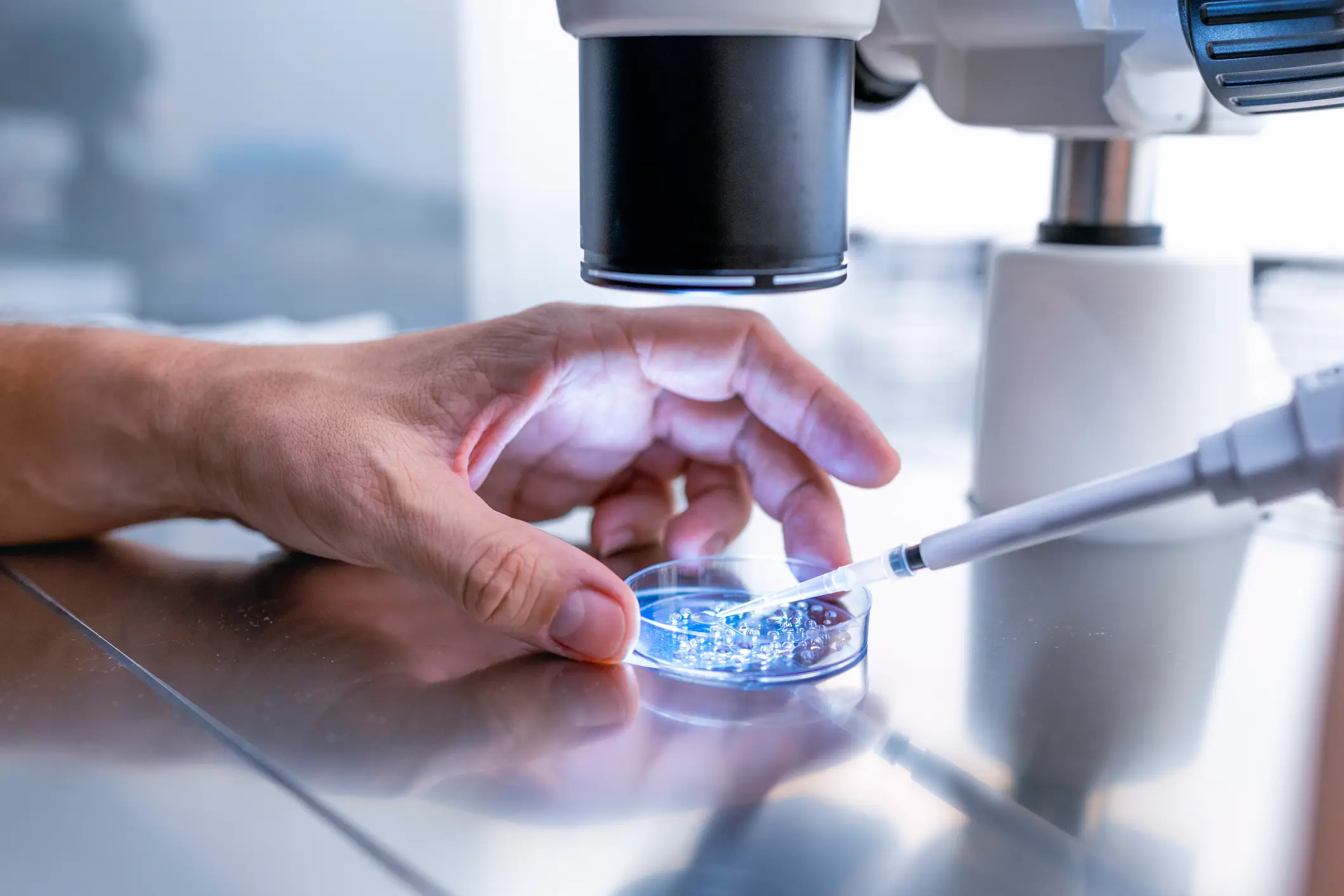
Explaining their study, the authors said: "The investigation of TAS2Rs in the human and mouse uterus has been largely focused on the myometrium, an area to which our research group has actively contributed.
"We were the first to identify a subset of TAS2Rs expressed in the human myometrium, the human myometrial cell line hTERT-HM, and the mouse myometrium.
"In addition, we observed that bitter tastants, such as chloroquine, induced relaxation in precontracted uterine smooth muscle strips, a relaxation effect superior to that of currently used tocolytics."
Scientists ended up studying 'single smooth muscle cells' and ultimately found that 'bitter tastants triggered the activation of classical TAS2R downstream'.
In a nutshell, scientists believe that the receptors can help detect how good quality the sperm is, and pick up on specific bacterial responses from this, triggering an immune response to clear out the area in cases of 'bad' sperm.
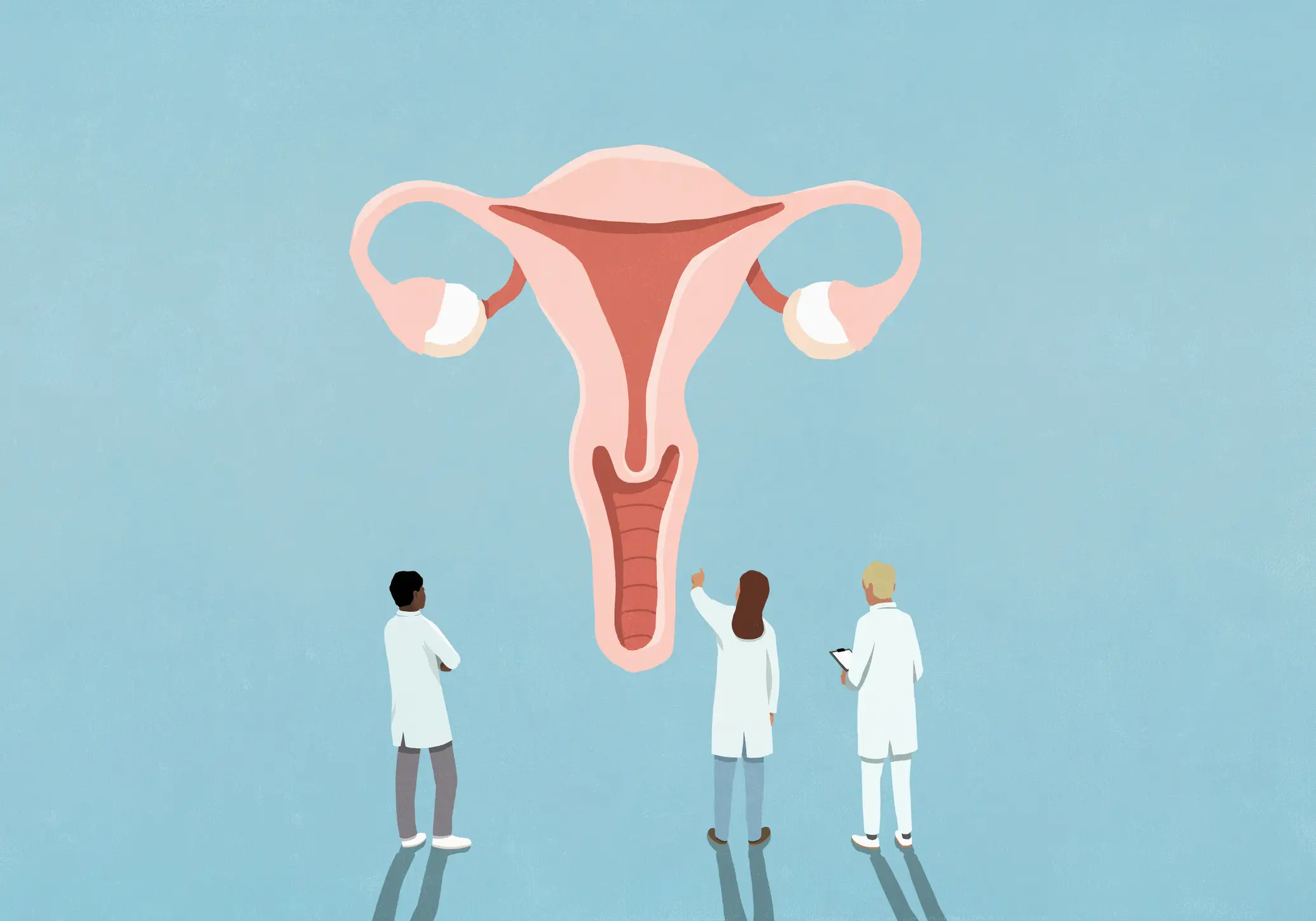
The role of type 2 taste receptors in the uterus continues to be studied, after experts uncovered that they contribute to 'uterine relaxation and hold potential as therapeutic targets for preventing preterm birth'.
Speaking of the role of TAS2Rs in the female reproductive system, scientists added: "In female reproduction, it is speculated that TAS2Rs influence the ovarian milieu, shaping the functions of granulosa and cumulus cells and their interactions with oocytes."
As for the male reproductive system, it's believed these receptors play a crucial role in male fertility.
"Genetic insights from mouse models and human polymorphism studies provide some evidence for their contribution to male infertility," experts added.
Topics: Science, Health, Sex and Relationships
 Callum Jones