Sperm donor with cancer-causing gene found to have conceived almost 200 children after major investigation

A sperm donor who has a genetic mutation that significantly increases the risk of cancer has biologically fathered nearly 200 children across Europe.
An investigation has revealed that some children have sadly passed away from diseases, while only a small number will not go on to develop cancer over their lifetime.
The sperm, which was sold at Denmark's European Sperm Bank, came from a donor who started donating in 2005.
Despite having the mutation himself, the donor is healthy.
Advert
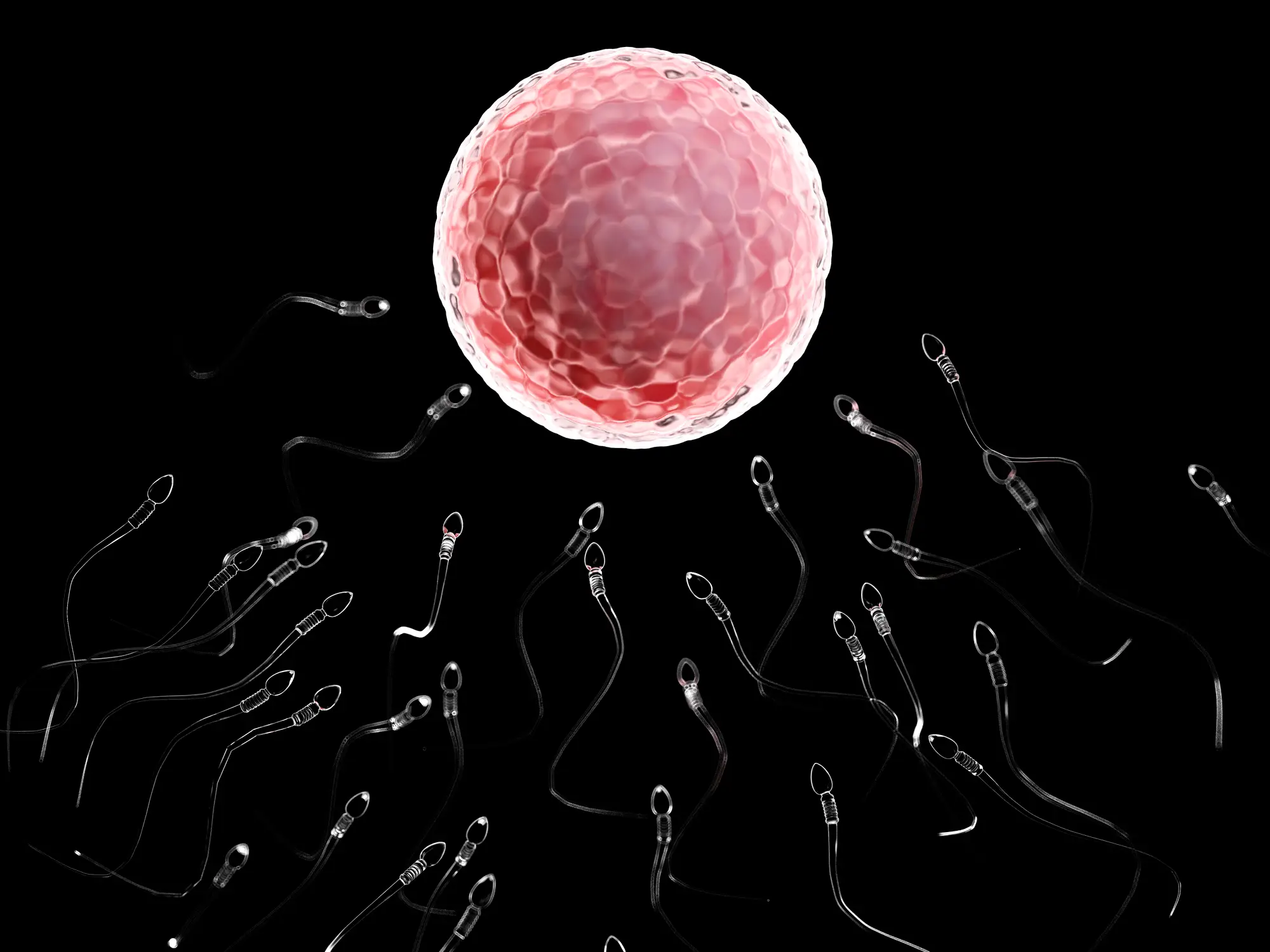
Although he passed all the required health checks at the time, it has now been found that he has a genetic mutation of the TP53 gene, which is present in a fifth of his sperm.
The BBC, who were involved in the investigation alongside 14 other broadcasters, has explained that any children made from affected sperm will carry the mutation in every cell of their body, which is likely to cause Li-Fraumeni syndrome.
Li-Fraumeni syndrome significantly increases the lifetime cancer risk for various cancers.
The types of cancer that could develop include breast, bone, brain and leukaemia.
In those impacted, the chance of developing cancer stands at 90 percent.
"It is a dreadful diagnosis," said Professor Clare Turnbull, a cancer geneticist at the Institute of Cancer Research.
Turnbull told the BBC: "It's a very challenging diagnosis to land on a family, there is a lifelong burden of living with that risk, it's clearly devastating."
One mother of a child, who was fathered by the donor and has the mutation, has said she has no hard feelings towards the donor, but says the sperm provided to them 'wasn't clean... wasn't safe, that carried a risk'.
"We don't know when, we don't know which one, and we don't know how many," she said.
"I understand that there's a high chance it's going to happen and when it does, we'll fight and if there are several, we'll fight several times."
Julie Paulli Budtz, a spokeswoman for the European Sperm Bank told CNN that the bank is 'deeply affected by the case and the impact that the rare TP53 mutation has on a number of families, children and the donor'.
“They have our deepest sympathy,” she said.
“ESB tests and performs an individual medical assessment of all donors in full compliance with recognized and scientific practice and legislation.
“The legislation on these areas is complex, with many and often conflicting considerations, and the implementation of the regulation differs greatly from country to country.
“Hence, there is need for common and transparent European standards.”
UNILAD has also reached out to The European Sperm Bank for comment.
Topics: Health, Parenting, Europe, World News
 Lucy Devine