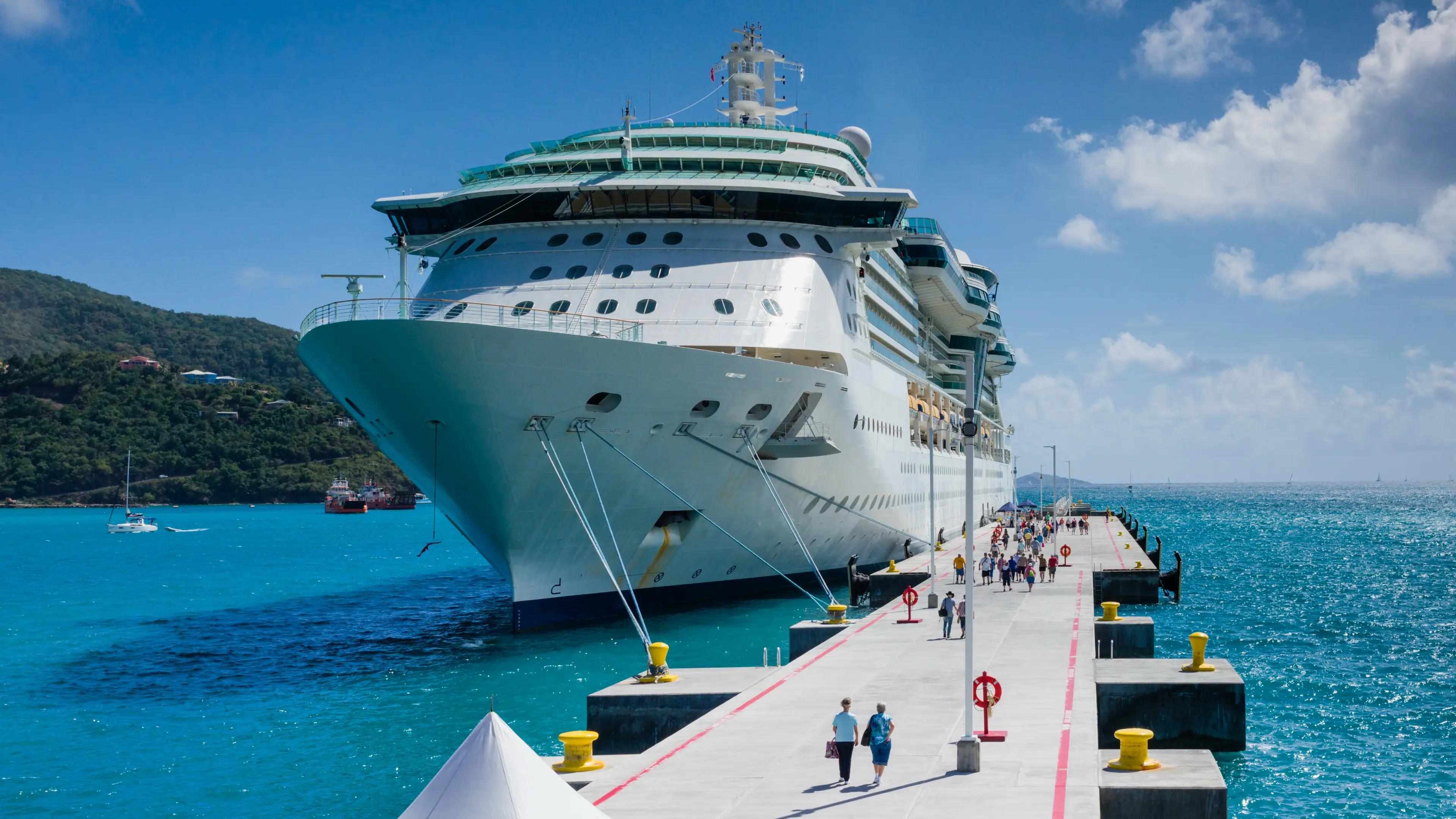
Health experts warn of little-known condition that can strike after a cruise and last for years

There is a condition that impacts 150,000 people in the US, with the trigger being a cruise holiday, and you’ve probably not heard of it before.
According to the American Brain Foundation, 30–60-year-old women make up 85 percent of the cases of this strange condition, that can last days, months, or even years after stepping foot back on dry land after a vacation out at sea.
Usually, when we think about illnesses caused by a cruise, we think about food-borne problems, viral infections, or maybe something in the water.
But this ticks none of the above boxes of causing or contributing factors of this little-known problem.
Advert
For those who end up suffering with the condition, it can lead to trouble concentrating, being confused, balance issues like dizziness, fatigue, and even things like mood changes, anxiety, and depression.

So, what is this unknown illness?
It’s Mal de Débarquement Syndrome (MdDS), also known as Disembarkment Syndrome, per the Cleveland Clinic.
This is a disorder that affects the body’s balance system, and can make you feel like you’re in motion, even when you’re not.
The health page explains: “MdDS commonly occurs after boating or sea travel, though it can happen after air travel, extended land travel and even sleeping on water beds. In some cases, MdDS can occur after non-motion events (like surgery or childbirth), or for no known reason (spontaneous mal de débarquement syndrome).”
As a vestibular disorder, it affects your body’s balance system, which usually begins in your brain or inner ear.
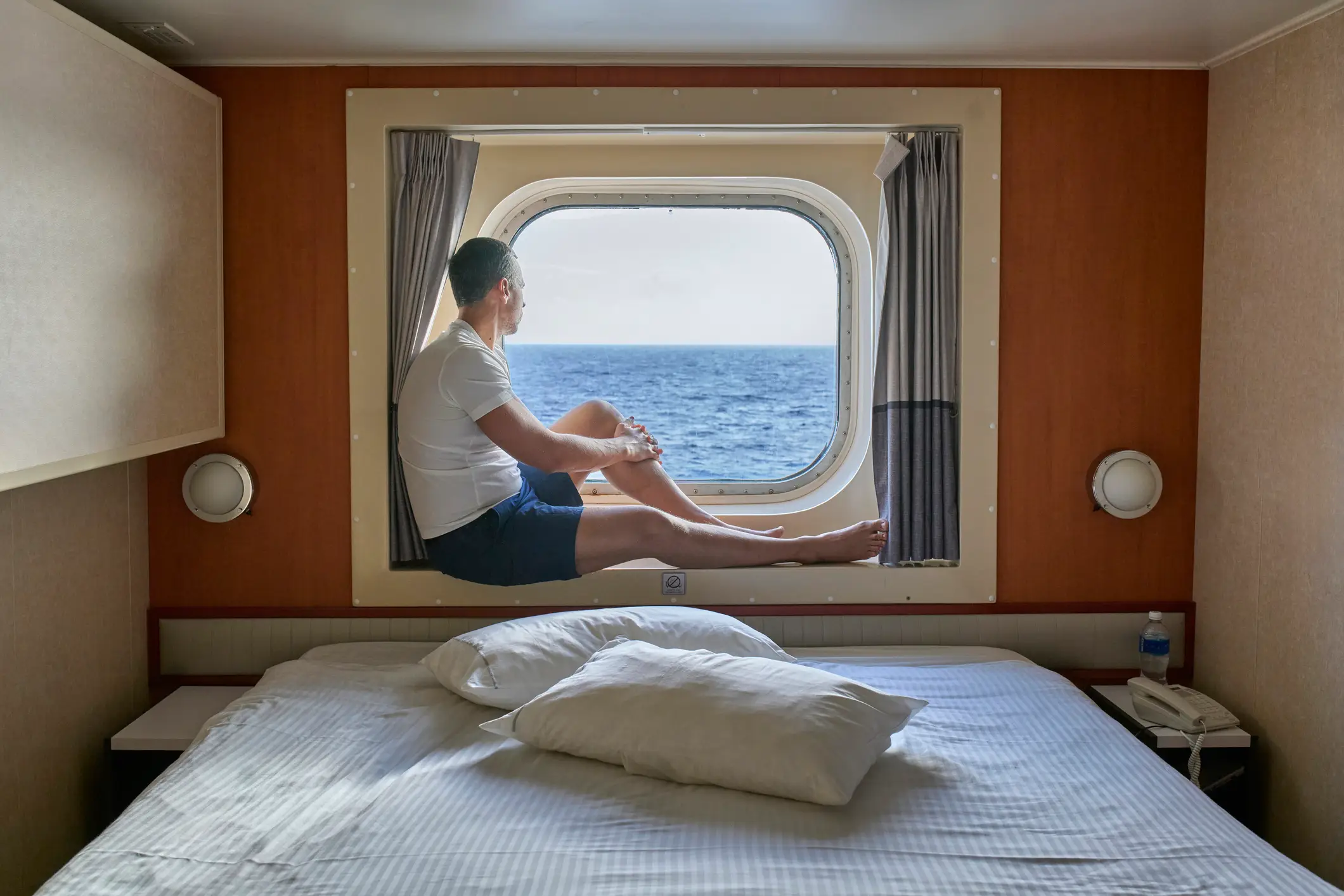
According to experts, MdDS is caused by the brain’s ability to readapt to your surroundings once a different motion of the body stops, like the rocking motion of a boat after a long-haul travel to a different country.
The MdDS Foundation was founded in 2007 to find a cure for the disorder but found that people are more susceptible to reoccurring MdDS instances once they initially develop the condition. To help manage persistent symptoms, the foundation advises those diagnosed with the condition to try to reduce stress and be well rested.
Ear and Balance reported that treatment for this condition includes optokinetic visual stimulation, which uses large, moving patterns to induce eye movement. In other instances, the condition goes away on its own.
Topics: Cruise ship, Health, Travel
 Britt Jones