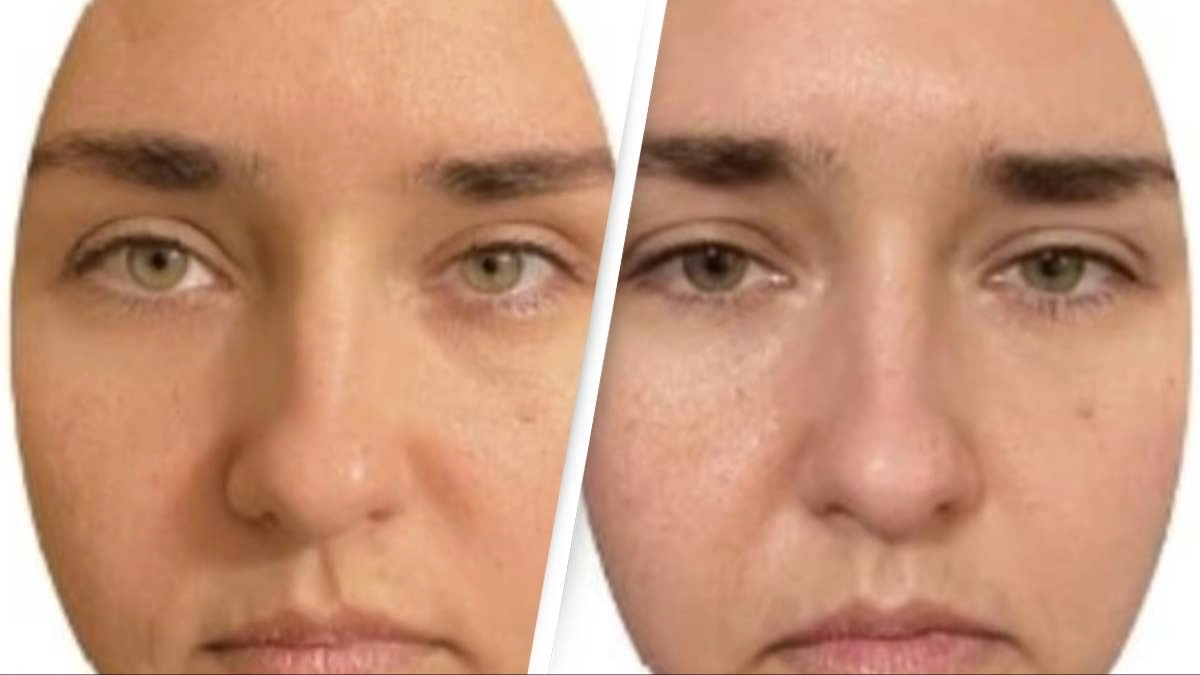
Side-by-side comparison of people's faces when they are sick reveals shocking impact

New research comparing people's faces when they are sick has shown the telltale signs that someone is feeling under the weather.
'Tis the season for festivities - and that seasonal flu.
Yet while there are the most obvious signs and symptoms of feeling under the weather, like fever, headaches, coughing and sneezing, a new study has revealed there are even subtle signs that someone could be harbouring a contagious bug - and when to steer clear.
A group of researchers put the theory to the test by asking participants to analyze pictures to see how well they could detect lassitude, which means the facial signs that someone isn't well.
Advert
The participants, 140 men and 140 women, were shown different images of 12 people from when they were fit and healthy, alongside a headshot of them when they were sick with a cold, flu or Covid-19.
They were told to rate each on six dimensions 'theorized to index latent lassitude perception', like safety, healthiness, approachability, alertness, social interest and positivity.


Interestingly, the study found women were more on the money when it came to determining who was sick and who wasn't, which the scientists pose could be because of maternal instincts.
As the primary caregivers for infants throughout human history, it's possible women have evolved to be able to recognise sickness early.
The team from the University of Miami explained: "When feeling sick, people reliably exhibit observable signs in their faces.
"People are, overall, sensitive to the lassitude expression in naturally sick faces."
Study author, Tiffany Leung, a graduate student in the Social Cognition Lab at the University of Miami, explained further: "Previous research has shown sex differences in experimentally manipulated (through endotoxin injection or photo editing) sick face photos. Building on this work, our study asked whether these sex differences also appear when people view naturally occurring signs of illness in faces."
The most common telltale clues include those around the eyes. Red, sleepy or relaxed and droopy lids can be a dead giveaway, followed by pale and parted lips.
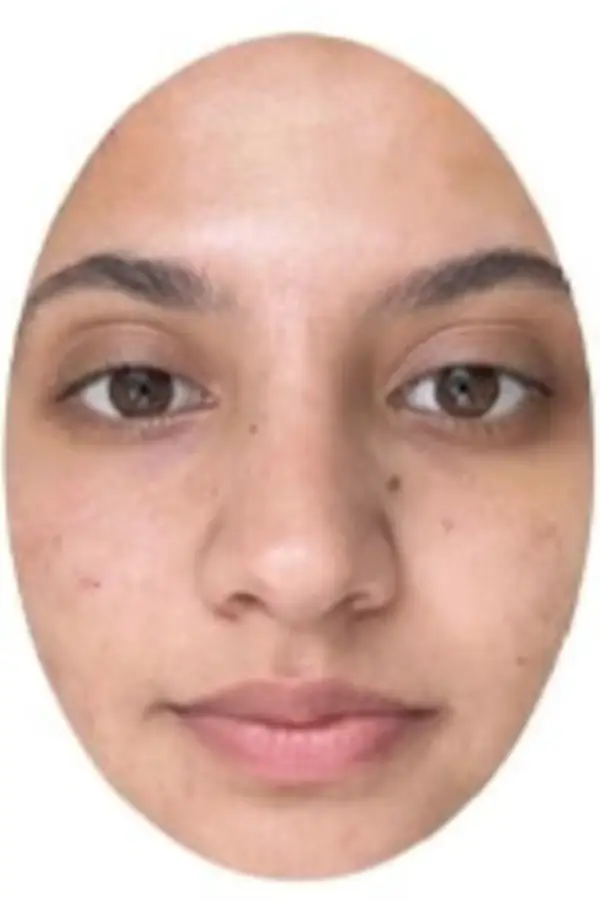
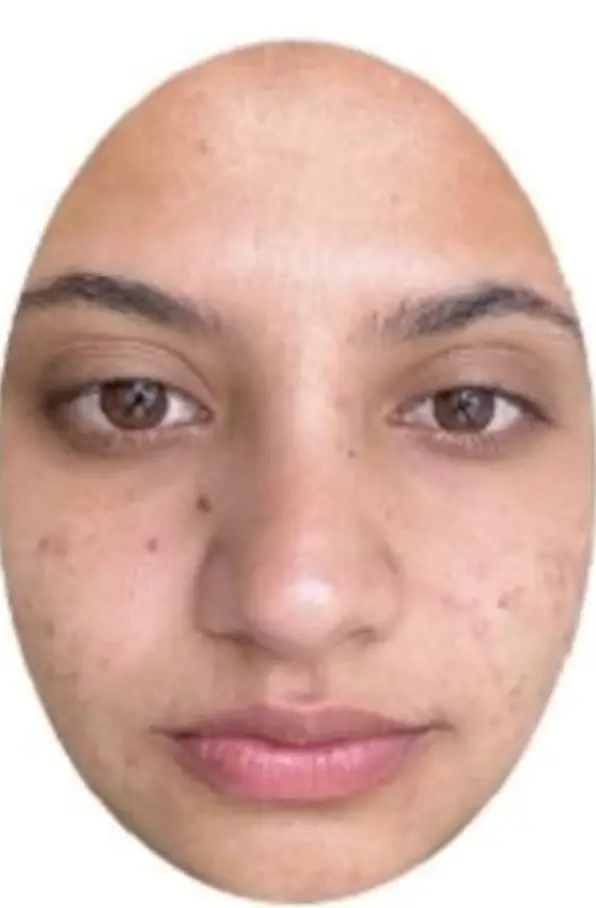
Even the corners of the mouth can give it away if they're drooping, too.
A change in appearance to the skin, like looking puffy or clammy, as well as pale or flushed red, is another sign.
"Lassitude—characterized by drooping eyelids, pale and slightly parted lips, and drooping corners of the mouth—is an emotional expression exhibited when people are sick," they explained in Evolution and Human Behavior.
On the results, they wrote: "Overall, the current study found that females are better than males at recognizing facial sickness based on ratings of people's faces.
"This finding indicates that females may be more attuned to natural facial cues of sickness."
They add that it is the 'first study' to their knowledge 'to discover a female advantage in recognizing natural lassitude expressions.'
"Nonetheless, our findings suggest individual differences in the ability to perceive facial signs of lassitude, with some individuals—particularly males—potentially benefiting from support in developing this skill."
Topics: Health
 Liv Bridge