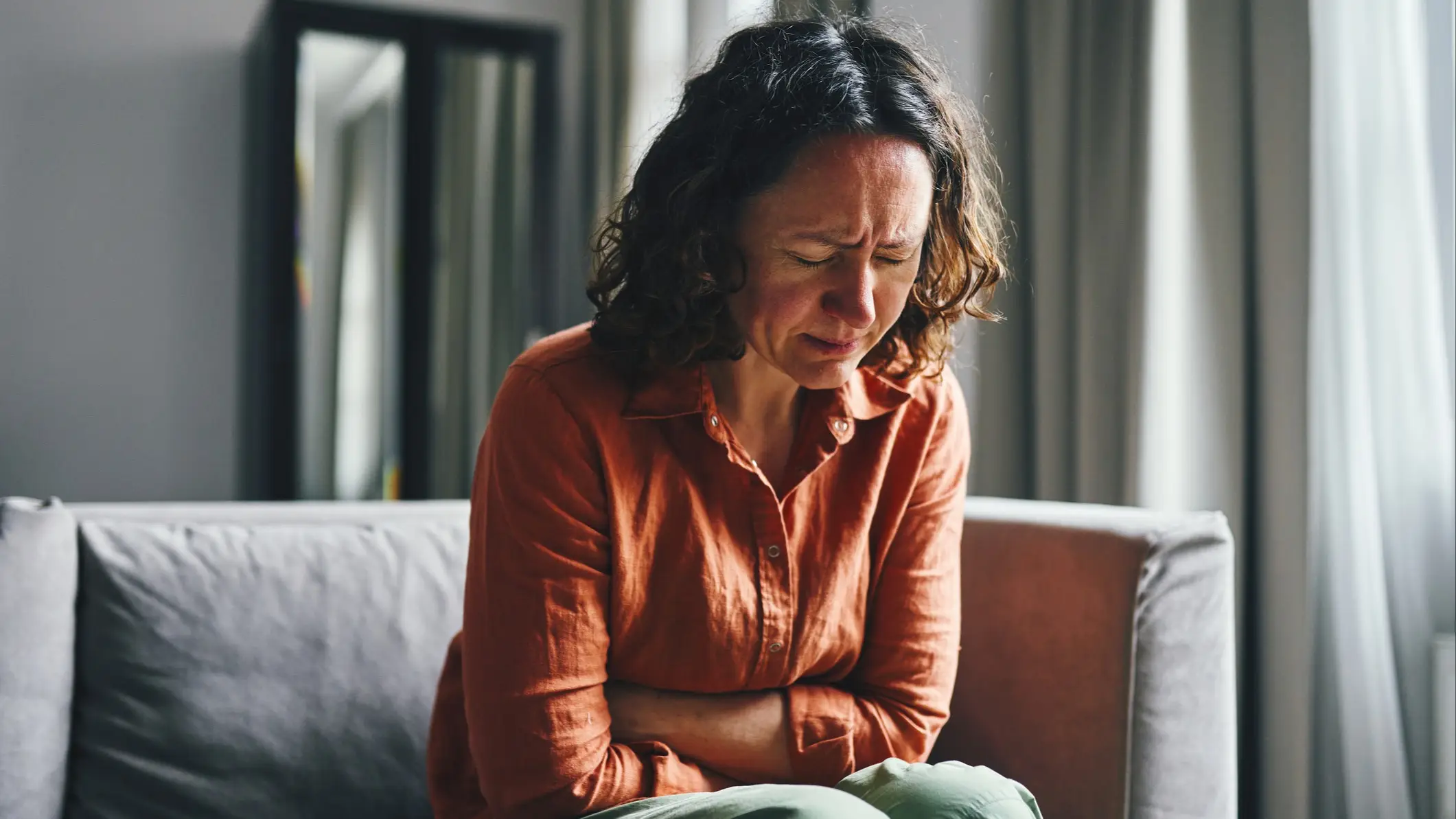
Doctor reveals the eight unexpected ways stress can show on the body

Avoiding stress is one of those things that is easier said than done and, often, worrying about this pressure that you are under will only leave your mental health in tatters. But it might also be harming your body too.
Feeling worn-out like this is not just a state of mind, it also sends your body into a panic, releasing stress hormones throughout your body. But when this is your everyday life, rather than a one-off, it can have serious consequences for your physical health.
Those minor health issues that you wouldn't usually bother a doctor with, like acne breakouts or trouble sleeping, can actually be a sign that your body is living under constant stress, Dr Donald Grant, GP and Senior Clinical Advisor at The Independent Pharmacy says.
He explained: “Stress doesn’t just affect the mind; it can have a significant and very visible impact on the body too. When we’re under prolonged pressure, the body releases hormones such as cortisol and adrenaline, which help us cope in the short term. "
Advert
He added: "However, when stress becomes chronic, these hormonal changes can begin to disrupt normal bodily functions."
1 - Acne & Skin Breakouts
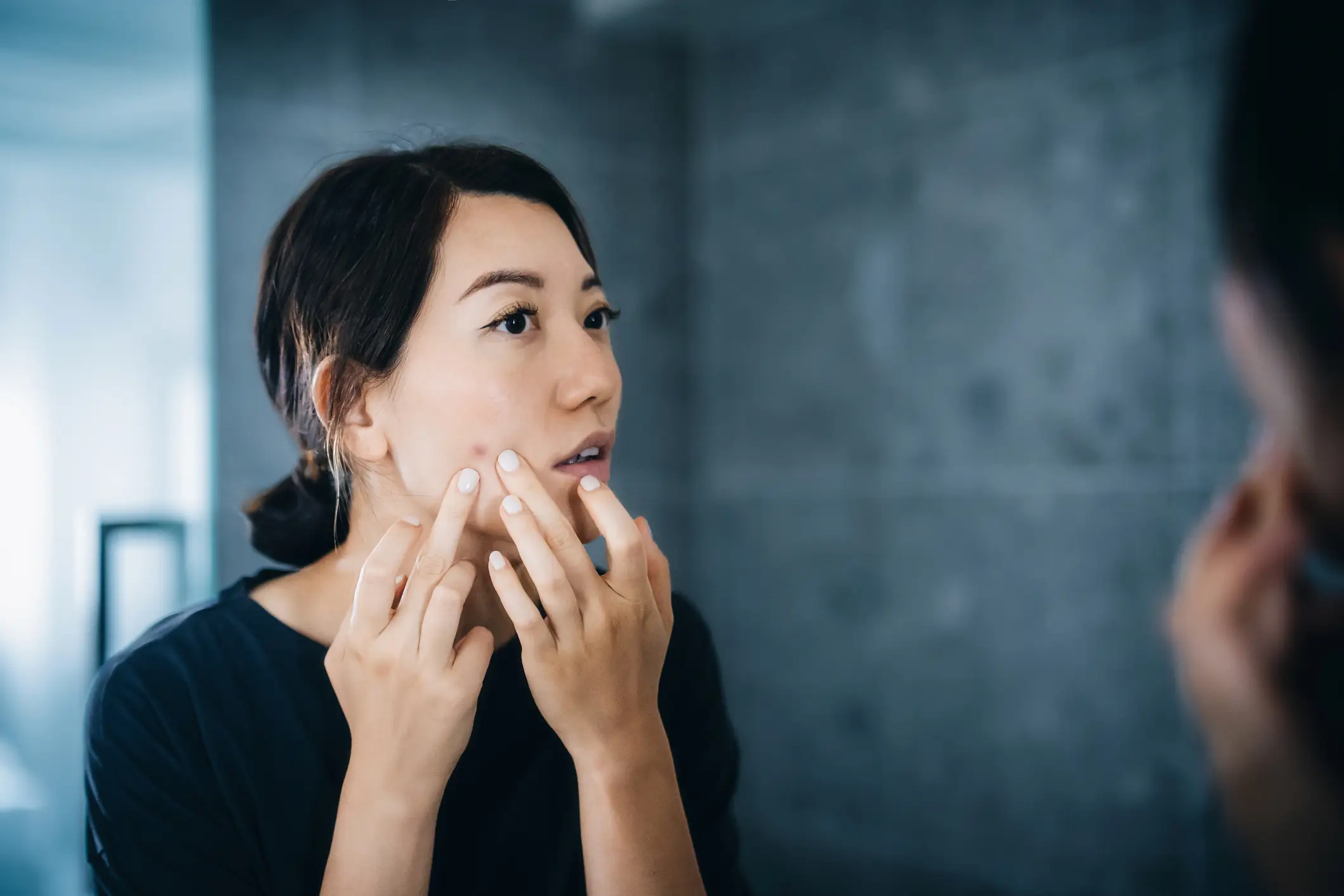
Have you ever been worried about a big meeting or upcoming event, only to find yourself breaking out in spots like a hormonal teenager? Yep, that's a response to stress.
Dr Grant explained: “High stress levels can have a direct impact on the skin, often triggering acne and breakouts. When we’re stressed, the body releases more cortisol, which increases oil production and inflammation. This makes pores more likely to become clogged, leading to spots and flare-ups.
“Stress can also aggravate existing skin conditions such as eczema, psoriasis and rosacea. Ongoing stress disrupts the skin barrier and heightens inflammatory responses, which can make these conditions more reactive and harder to manage.”
2 - Hair Loss
Seeing clumps of your hair fall out can be seriously concerning, so you should treat it as a major red flag that stress is harming your physical health.
The physician explained: “Elevated cortisol levels can also impact our hair health, leading to stress-related shedding. Prolonged periods of stress can push hair follicles into a resting phase of the growth cycle, meaning strands are more likely to fall out than grow.
“Many people notice increased hair loss several weeks or even months after a particularly stressful period. While it’s usually temporary, persistent or severe shedding should always be assessed by a qualified health professional."
3 - Erectile Dysfunction
Our bodies have an in built stress relief mechanism, but if you are under a great deal of emotional strain, it can be hard to to... well...
Dr Grant said: “Stress can also play a significant role in increasing the risk of experiencing erectile dysfunction. When the body is in a prolonged state of stress, elevated cortisol and adrenaline levels can interfere with blood flow and reduce sexual arousal, making it more difficult to achieve or maintain an erection.
“Additionally, stress may also contribute to performance anxiety, creating a cycle where concerns about sexual performance further worsen the issue. These signs should never be ignored or dismissed."
4 - Digestive Issues
If you have ever found yourself running to the bathroom, or doubled over with stomach pain, out of nowhere, you might be experiencing a key side effect of stress hormones flooding your system.
Dr Grant said: “Stress can have a significant impact on the digestive system due to the close connection between the brain and the gut. When we’re anxious or under pressure, this communication pathway, often referred to as the gut-brain axis, can become disrupted, leading to symptoms such as bloating, stomach pain, diarrhoea or constipation.
“Stress can also worsen existing conditions like irritable bowel syndrome (IBS) by increasing gut sensitivity and altering normal digestion. If digestive issues tend to flare up during busy periods, stress could be a driving factor."
5 - Disturbed Sleep
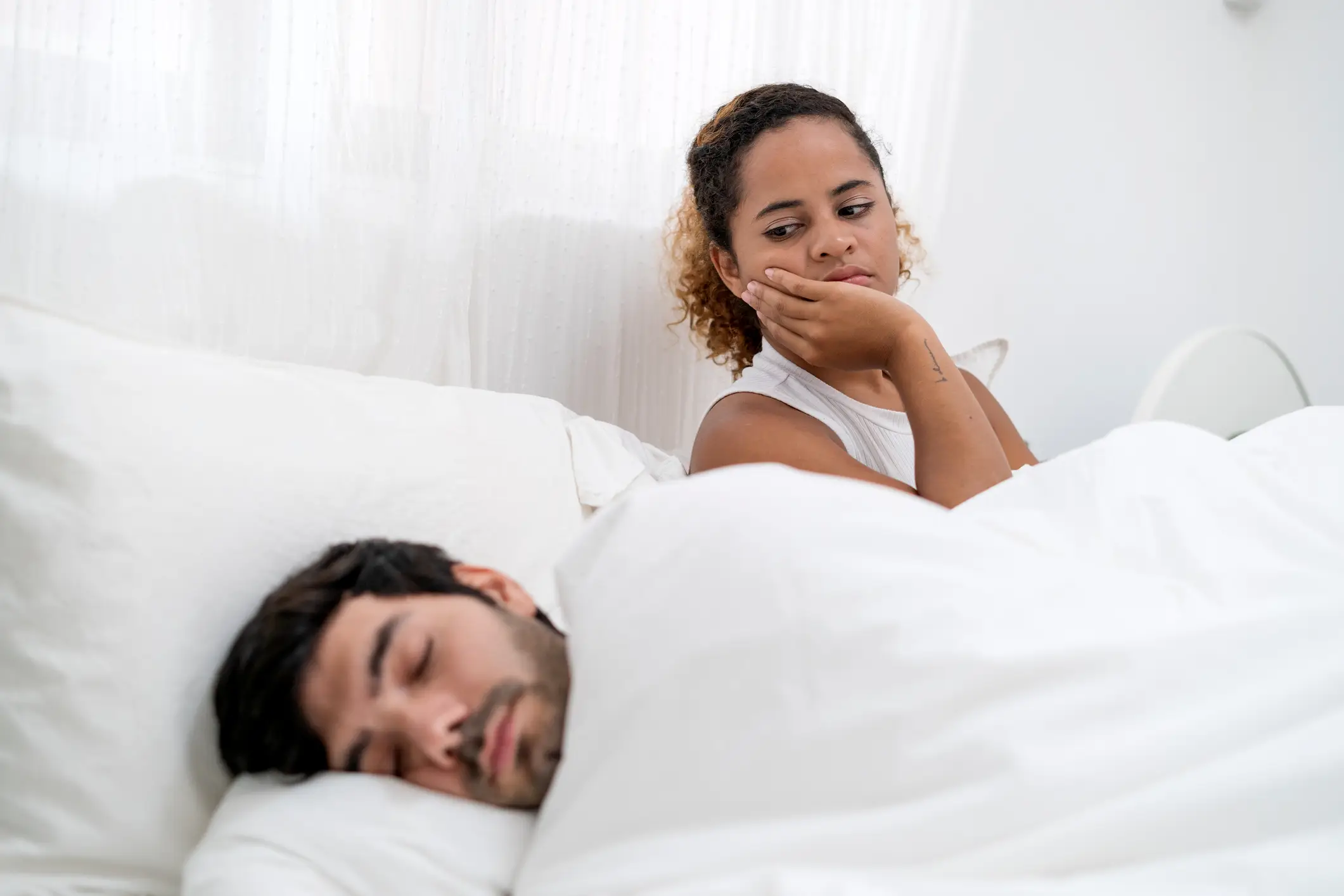
Many of these side effects can have a compounding influence on your stress levels, the worst of which is probably struggling to sleep as tiredness keeps your body in a continuous state of stress.
Dr Grant added: “Disturbed sleep is a common physical sign that the body is under prolonged stress. Elevated cortisol levels can prevent the body from properly winding down, making it harder to fall asleep or stay asleep throughout the night.
“This may result in difficulty switching off, frequent waking, vivid dreams, or waking up feeling unrefreshed. Over time, poor sleep can further heighten feelings of stress by increasing irritability, reducing concentration, and disrupting the body’s natural hormone balance, creating a cycle that can be difficult to break."
6 - Weakened Immune System
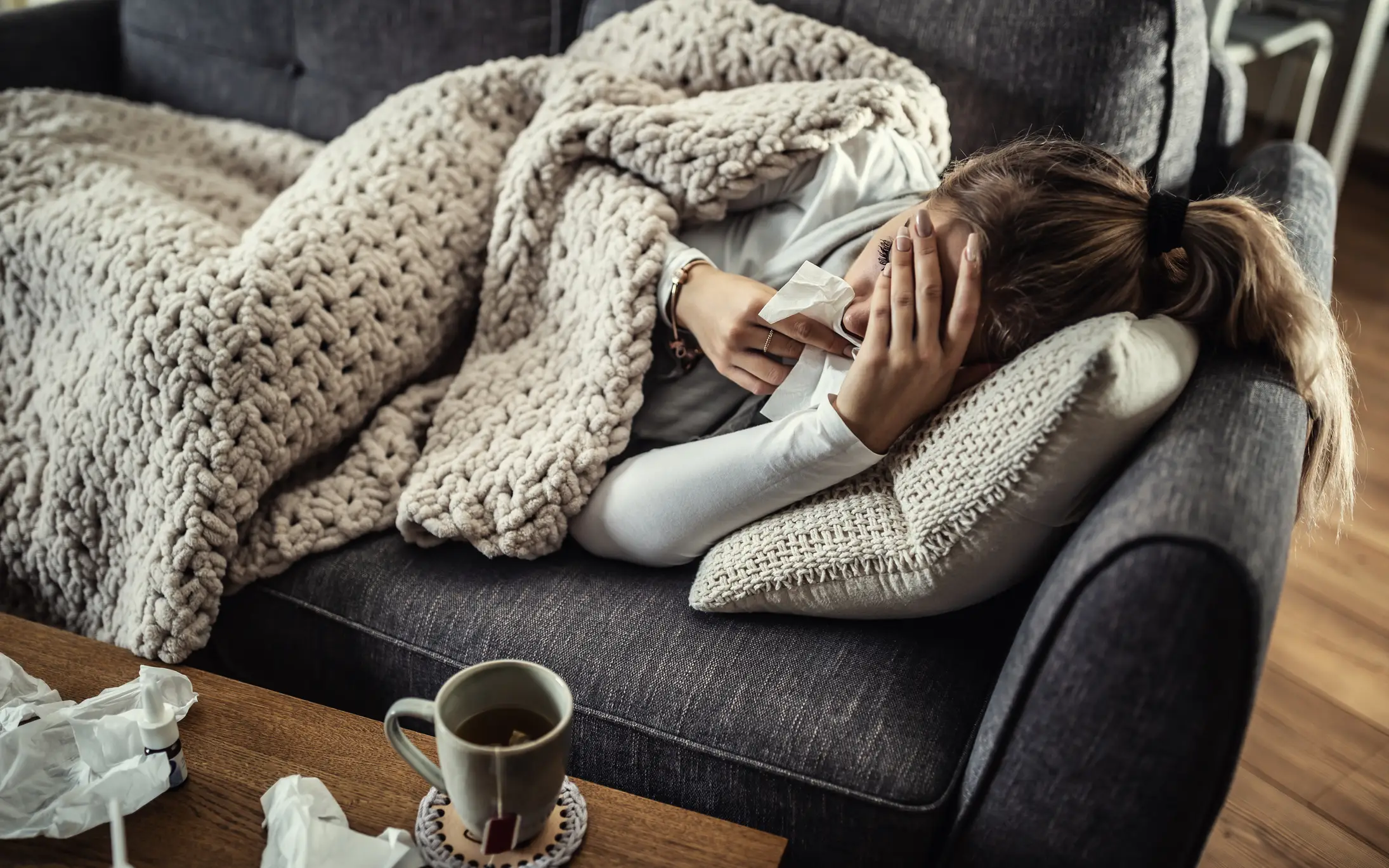
If you are struggling to eat and sleep properly, while living with higher than usual cortisol levels due to stress, you will quickly become more vulnerable to illness.
Dr Grant said: “Long-term stress can suppress immune responses, making individuals more susceptible to infections and prolonging recovery times. Persistently elevated cortisol levels can impair the body’s ability to fight viruses and bacteria effectively, prolonging illness.
“As a result, some people may notice they’re catching colds more frequently, experiencing recurrent infections, or taking longer to recover from minor illnesses. If this pattern coincides with ongoing stress, it may indicate that the immune system is under strain."
7 - Irregular Periods
These stress hormones affect basically every part of your body, so women will be unsurprised to learn that living in this constant state of tension can even disrupt their periods.
The physician explained: “For women, chronic stress can also interfere with the menstrual cycle. When cortisol levels remain elevated for prolonged periods, it can disrupt the balance of reproductive hormones such as oestrogen and progesterone, which play a key role in regulating periods.
“As a result, some women may notice irregular cycles, missed periods, heavier bleeding, or worsening premenstrual symptoms. While occasional changes can happen for many reasons, persistent irregularity during stressful periods may be a sign that the body is under hormonal strain."
8 - Increased Aches and Pains
If many of these consequences of heightened stress seemed familiar to you, then so too will your increased likelihood of feeling sore, with muscle stiffness and tenderness one of the more common stress side effects.
Dr Grant detailed: “Prolonged stress can also manifest physically through increased muscle tension and unexplained aches and pains. When the body remains in a heightened state of alertness, muscles in the neck, shoulders and back tend to stay tense for extended periods.
“Over time, this can lead to tension headaches, jaw pain, back discomfort and generalised muscle soreness. If symptoms persist or worsen, it’s important to seek medical advice to rule out other underlying causes.
“Overall, there are plenty of ways that stress can show on the body, including hair loss, compromised immune systems and disrupted sleep. If these issues persist, I recommend contacting your GP for more tailored advice.”
Topics: Mental Health, Health
 William Morgan