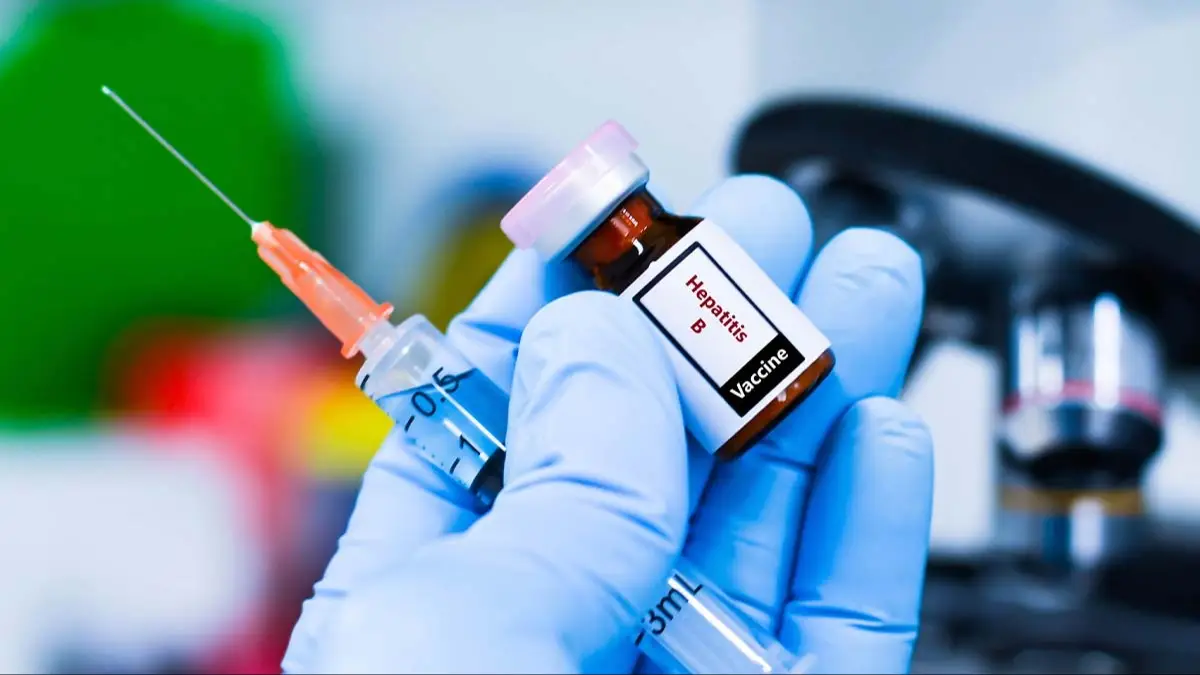
CDC officially ends Hepatitis B vaccines for newborns as experts weigh in on 'heartbreaking' decision

The Centers for Disease Control and Prevention (CDC) has officially stopped giving hepatitis B vaccines to newborns, but experts are not convinced it was the right move.
The decision came after recommendations from the CDC's Advisory Committee on Immunization Practices (ACIP).
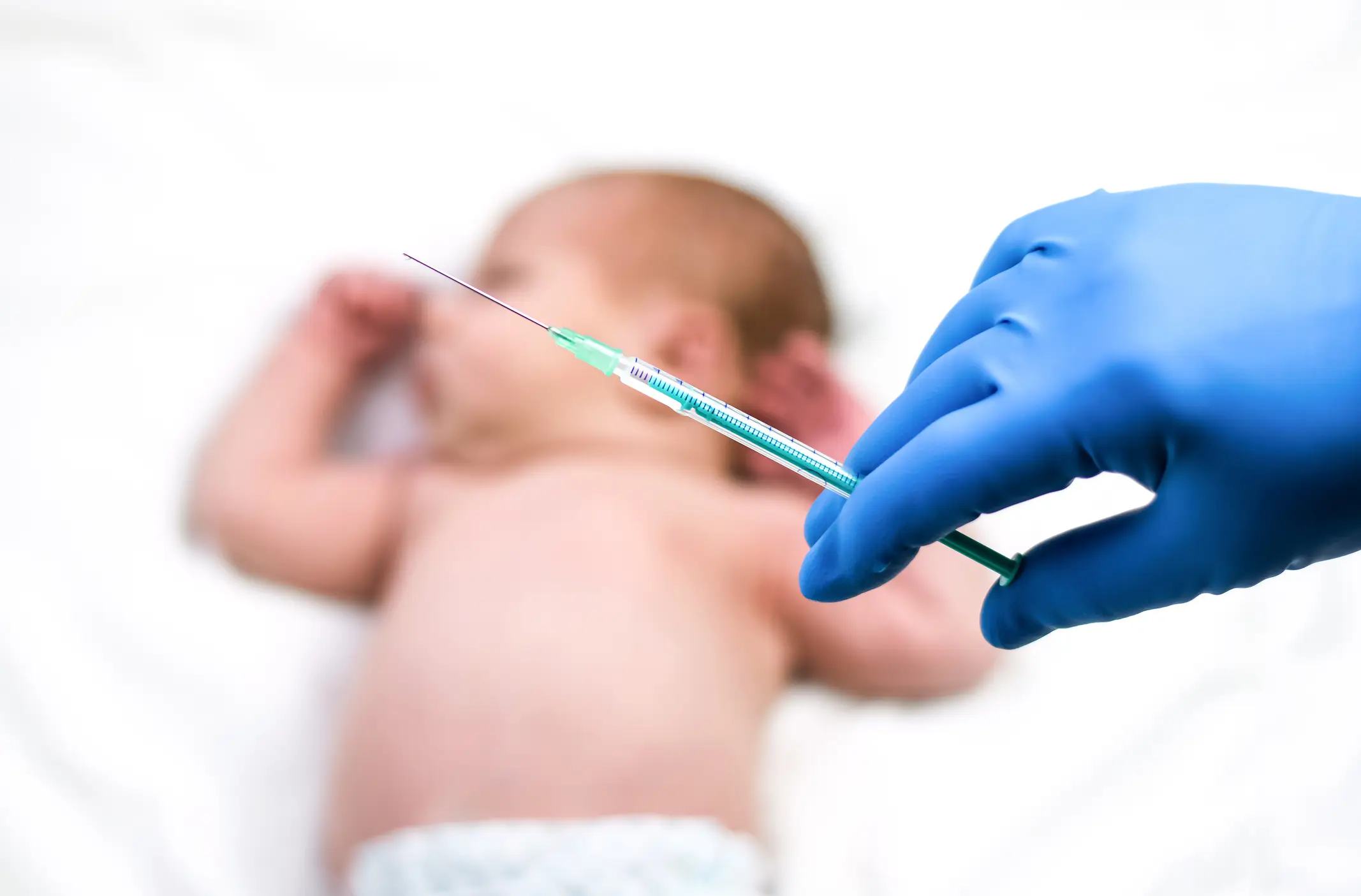
It has now been recommended that in mothers who test negative for hepatitis B, vaccinations can be delayed until the infant is two months old.
A press release explained: "The Centers for Disease Control and Prevention (CDC) today adopted individual-based decision-making for hepatitis B immunization for parents deciding whether to give the hepatitis B vaccine, including the birth dose, to infants born to women who test negative for the virus. For those infants not receiving the birth dose, it is suggested that the initial dose be administered no earlier than two months of age."
Advert
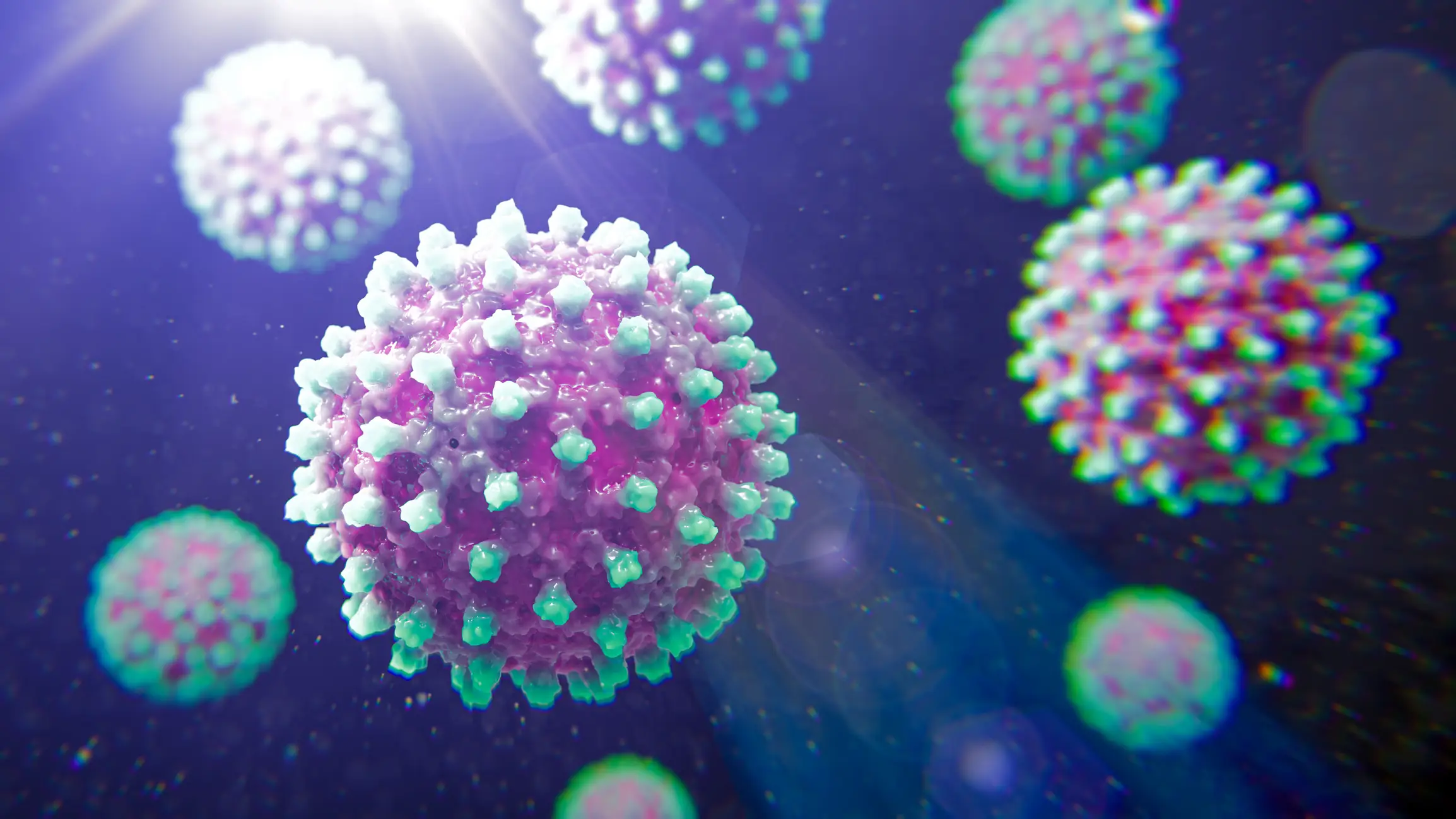
Hepatitis B is a liver infection spread through blood and body fluids.
As per the NHS, you can get hepatitis B from:
- Having vaginal, anal or oral sex without using a condom
- Injecting drugs using shared needles
- Being injured by a used needle
- Having a tattoo, piercing, or medical or dental procedure with unsterilised equipment
- Having a blood transfusion in a country that does not check blood for hepatitis B
- If you're pregnant and have hepatitis B, you can also pass it onto your baby when giving birth
Most people with hepatitis B either have no symptoms or mild symptoms.
Speaking of the decision, Acting Director of the CDC and Deputy Secretary of Health and Human Services Jim O'Neill said: “This recommendation reflects ACIP’s rigorous review of the available evidence.
“We are restoring the balance of informed consent to parents whose newborns face little risk of contracting hepatitis B.”
Vaccinating newborns first began in 1991, and experts at the Children's Hospital of Philadelphia say the immunisation program led to the disease being 'virtually eliminated' in children.
Dr Susan J. Kressly, president of the American Academy of Pediatrics (AAP), said the decision was 'heartbreaking'.
“As a pediatrician, this is heartbreaking when we have a vaccine that can prevent so many infections, and it is deeply disappointing to see the continued dismissal of expertise to inform recommendations that have broad implications on the health of America's children," she said.
For parents who do want their child to receive the vaccine at birth, they are advised to consult with their healthcare provider to discuss further.
 Lucy Devine