
New study warns psychosis is on the rise and cannabis may be to blame as one particular group is at risk

A new study theorises weed could be to blame for a concerning increase in psychosis diagnoses in young people.
Between 1992 and 2023, the study analysed data from 12 million people born between 1960 and 2009 in Ontario, Canada.
A shocking rise in the number of people being diagnosed with psychotic disorders has led to a theory it could be linked to the increasing use of substances like cannabis, hallucinogens and traditional uppers.
The study, published in The Canadian Medical Association Journal, found there was a 60 percent rise in diagnoses of psychotic disorders in people aged between 14 and 20 from 1997 to 2023. Diagnoses fell in other age groups in the same period.
Advert
It went on to share that compared to those born in the late 70s, these people were twice as likely to be diagnosed with a psychotic disorder. That’s pretty scary.
Having taken a look at the cause for its rising prevalence in young people, researchers came up with a few things like neonatal health and an older paternal age. But also weed.
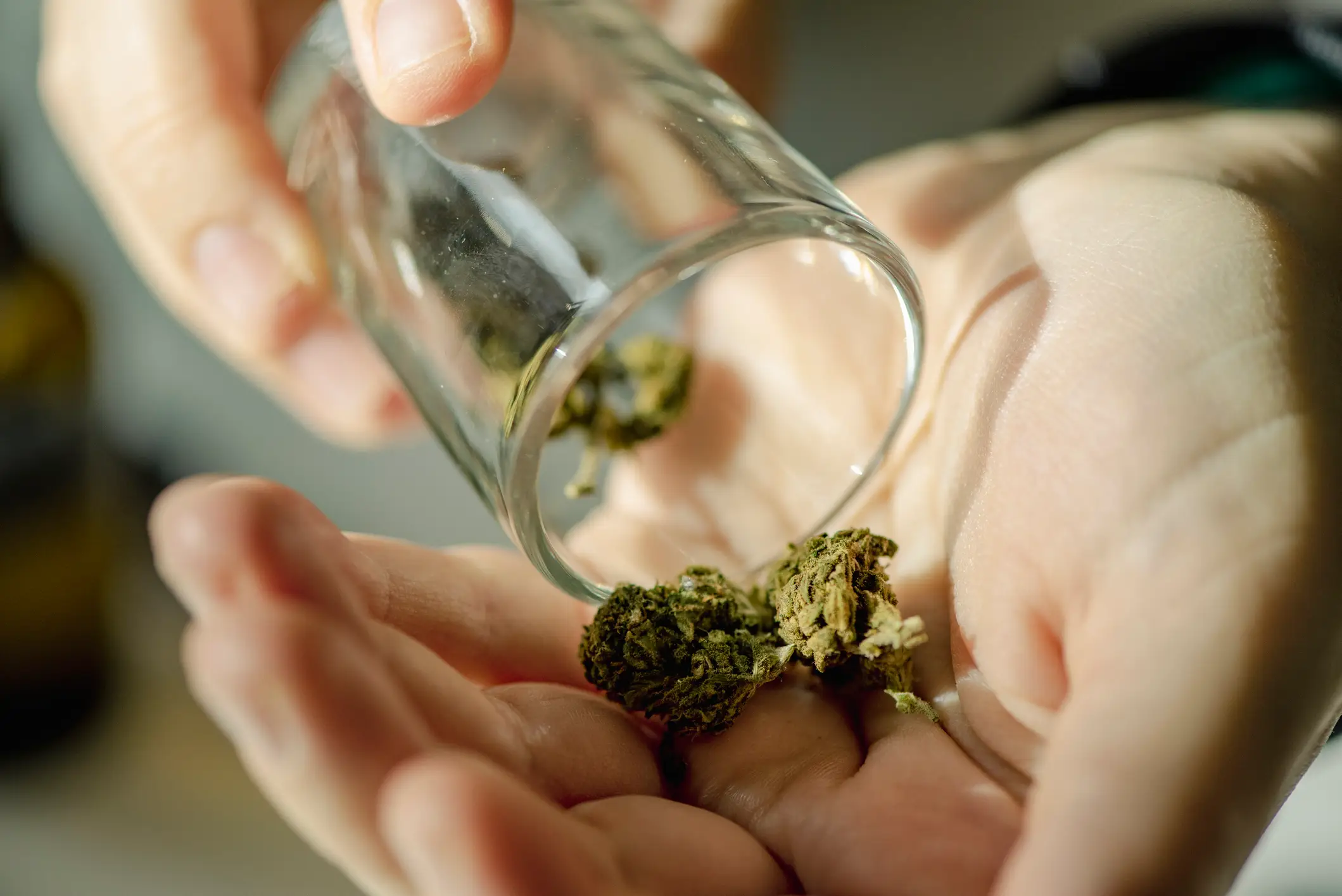
Dr Daniel Myran, a study author, decided to take part in the study because he was worried the legalization of cannabis could exacerbate psychotic diagnosis rates.
“I was expecting to see some increases in these younger folks, but I was quite surprised by the scale,” he told The New York Times.
“I think that there is a group of individuals who develop psychosis because of substance use, who in its absence would not have,” he explained.
“The interesting question is, how much of psychosis is caused by a modifiable substance use? Are these edge scenarios, where it’s pretty rare? Or is it actually quite frequent?”
Only 0.9 percent of people were diagnosed with a psychotic disorder over the 31 years of the study.
In 2024, 41 percent of Canadians aged between 16 and 19 reported using cannabis at least once a year, which is up five percent since it was legalized in 2018, per the Canadian Cannabis Survey.

The study looked at schizophrenia, a disorder characterized by delusions, and other diagnoses.
The largest increase was driven by ‘psychosis not otherwise specified,’ which happens when psychosis is present but there isn’t a diagnosis of schizophrenia.
While Dr Myran said there isn't a 'smoking gun' which proves this increase is due to weed, he theorises substance use in teen years could lead to 'structural changes' in the brain.
He said: “You go to the idea that neurons that fire together wire together. Your brain is quite plastic, and if we have substance use that’s causing hallucinations, if you have ongoing activation and firing and that kind of stuff, it can change your brain.”
If you want friendly, confidential advice about drugs, you can call American Addiction Centers on (313) 209-9137 24/7, or contact them through their website.
Topics: Drugs, Health, Mental Health, Science, Canada
 Britt Jones