• News
  • Film and TV
  • Music
  • Tech
  • Features
  • Celebrity
  • Politics
  • Weird
  • Community
  • Advertise
  • Terms
  • Privacy & Cookies
  • LADbible Group
  • LADbible
  • SPORTbible
  • GAMINGbible
  • Tyla
  • UNILAD Tech
  • FOODbible
  • License Our Content
  • About Us & Contact
  • Jobs
  • Latest
  • Topics A-Z
  • Authors
Facebook
Instagram
X
Threads
TikTok
YouTube
Submit Your Content
Scientists discover kombucha could be key for human survival on Mars

Home> News> Food & Drink

Published 20:25 13 Sep 2023 GMT+1

Scientists discover kombucha could be key for human survival on Mars

Bottoms up!

Rhiannon Ingle

Rhiannon Ingle

google discoverFollow us on Google Discover
Featured Image Credit: Amy Brothers /The Denver Post via Getty Images / Adrian Mann/Future Publishing via Getty Images

Topics: Aliens, Food and Drink, Health, Science, Space, UFO, Weird, World News

Rhiannon Ingle
Rhiannon Ingle

Rhiannon Ingle is a Senior Journalist at Tyla, specialising in TV, film, travel, and culture. A graduate of the University of Manchester with a degree in English Literature, she honed her editorial skills as the Lifestyle Editor of The Mancunian, the UK’s largest student newspaper. With a keen eye for storytelling, Rhiannon brings fresh perspectives to her writing, blending critical insight with an engaging style. Her work captures the intersection of entertainment and real-world experiences.

Advert

Advert

Advert

From avocado toast and matcha lattes to kale and pretty much anything slathered in copious amounts of sriracha - there are a whole bunch of foods out there that have recently become extremely trendy.

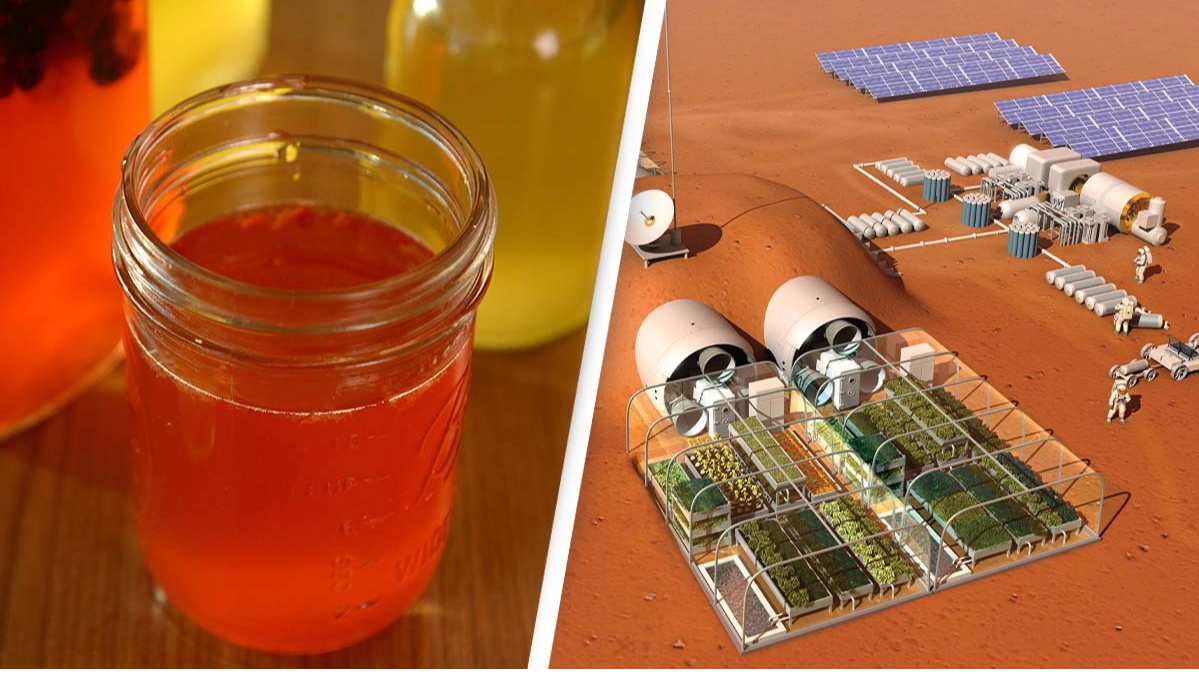
One of which is kombucha which is a fermented black tea drink most commonly consumed for its purported gut health benefits which are allegedly similar to taking probiotic supplements.

However, the latest buzz around the beverage goes way beyond our own personal biology and further into the great unknown.
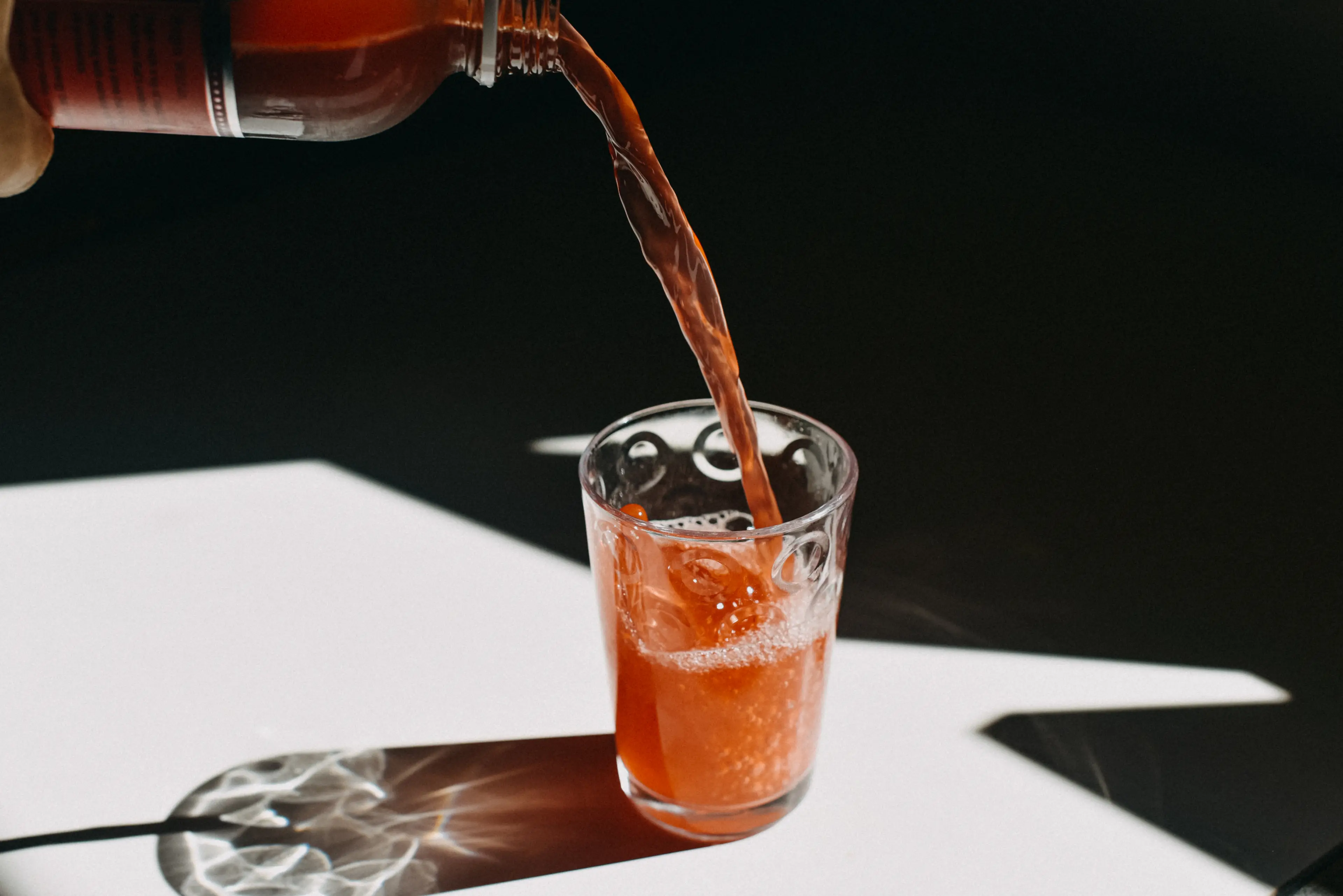
Scientists have found that kombucha could be the secret for humans surviving in space.
Stefania Pelfini, La Waziya Photography/Getty Images

Advert

Scientists have just made the bizarre discovery that bacteria cultures found inside kombucha could be key for human survival on Mars.

In a statement released on Monday (11 September), the European Space Agency (ESA) revealed: "ESA is testing kombucha cultures, famous for their fermentative properties and potential health benefits, to assess their resilience in space.

"These cultures hold great promise for supporting humans on the Moon and Mars."

The cultures in question - multicellular biofilms - have reportedly 'shown promise' in surviving 'harsh environments' on Earth.

This discovery has since prompted researchers to investigate their 'potential to endure space’s extreme conditions'.

"The microorganisms are even being considered as bio-factories for self-sustaining life support systems for space settlements," the ESA adds.

So, how does it all work?
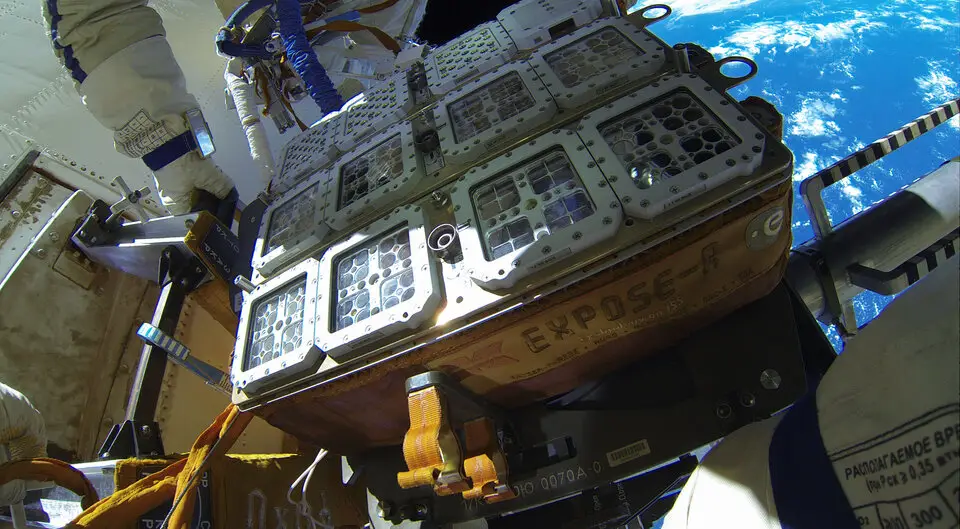
An expert said the study showed 'great potential' in supporting long-term human presence on Mars.
European Space Agency

Well, when the ESA flew kombucha samples on the outside of the Space Station, they found that a microorganism, cyanobacterium, was able to repair its own DNA.

Pretty cool, right?

The cyanobacterium was also able to 'resume cell division even after being exposed to cosmic radiation, even resisting the destructive iron ions that cause extensive cell damage'.

Not bad for a fizzy drink commonly guzzled by fellow hipsters and health fanatics alike.

"By understanding how these microorganisms respond," the ESA statement continues, "researchers can gain insights to comprehend and enhance human health and well-being."

Petra Rettberg, Head of the German Aerospace Center’s (DLR) astrobiology group, said: "The cultures show great potential in supporting long-term human presence on the Moon and on Mars."

"Due to their ability to produce oxygen and function as bio-factories, this biotechnology could significantly enhance future space missions and human space exploration efforts," adds ESA deep space exploration scientist Nicol Caplin.

"I hope to see our samples attached to the lunar Gateway in the future or perhaps utilised on the surface of the Moon and beyond. Until then, we will continue to explore the possibilities our bio-cultures offer."

Well, cheers to that I guess.

Choose your content:

11 mins ago
11 hours ago
12 hours ago
  • Joe Maher/BAFTA/Getty
    11 mins ago

    Ethan Hawke makes NSFW remark about bed habits in ‘incredibly vulgar’ confession

    The actor has turned some heads with his NSFW confession

    Celebrity
  • Getty Stock Image
    11 hours ago

    Doctor reveals early signs of Tourette's syndrome to look out for in children

    Tourette's syndrome is believed to only affect 0.5 to one percent of the world's population

    News
  • Victor J. Blue/Bloomberg via Getty Images/Nathan Howard/Getty Images
    11 hours ago

    AI reveals who would win the US presidential election if Trump ran against Obama in 2028

    The hypothetical election had a clear winner

    News
  • Stuart Wilson/BAFTA/Getty Images for BAFTA
    12 hours ago

    BAFTAs speaks out after Tourette's syndrome activist yelled racial slur at Michael B. Jordan and Delroy Lindo during ceremony

    BAFTA have issued a lengthly statement addressing last night's controversy

    Celebrity
  • Scientists discover exactly how many cups of coffee each day can help reduce dementia risk
  • Scientists discover four key foods which could help you live longer
  • Researchers find that not even an entire soda each day could be linked to serious liver problems
  • Everything we know about distant planet after scientists discover '99.7%' chance of life