Michael Jackson's alleged nicknames for young boys revealed in new documentary

As Michael Jackson’s biopic continues to dominate the box office, a new Netflix docuseries is dragging one of the most controversial chapters of his life back into the spotlight.
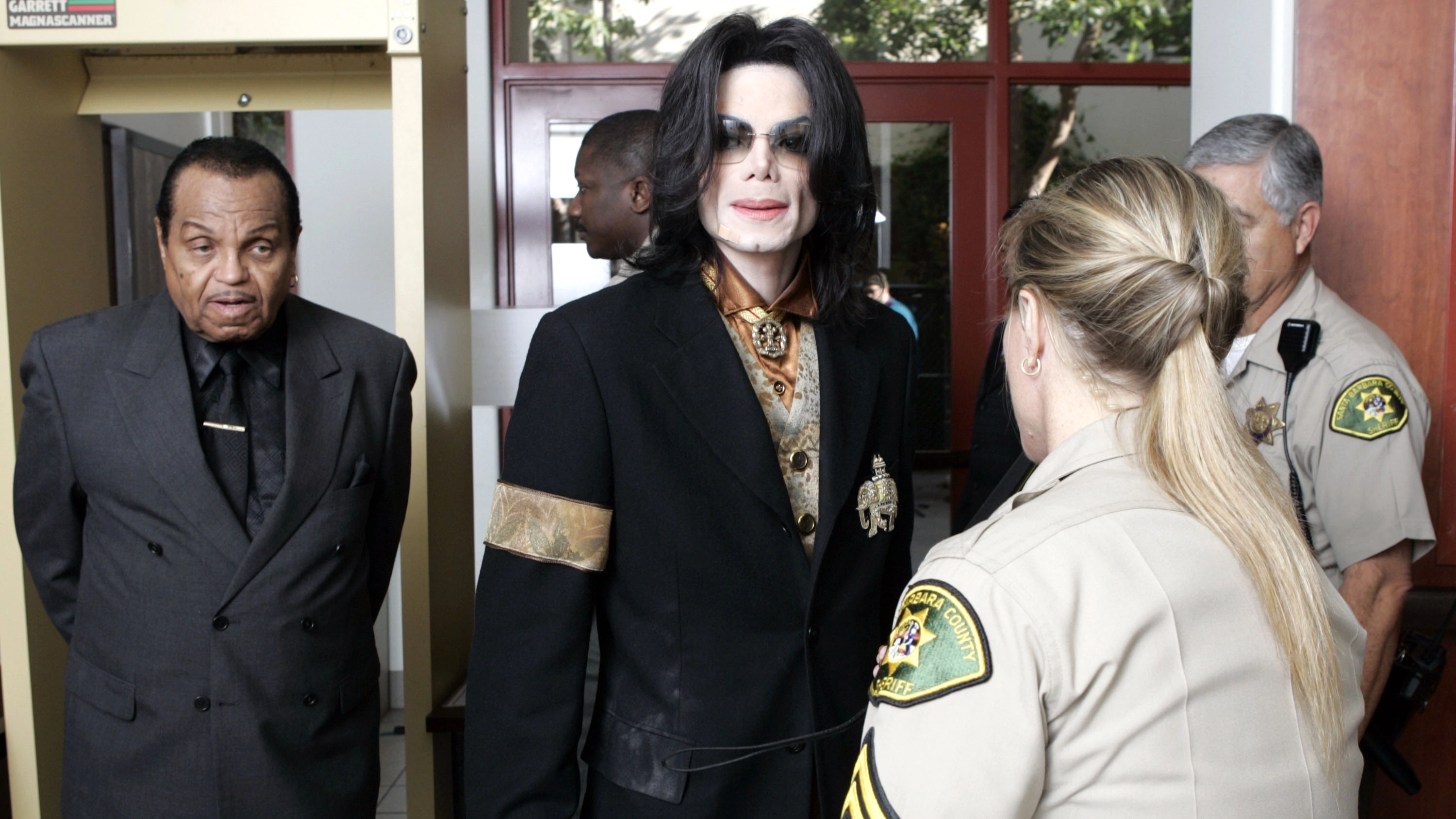
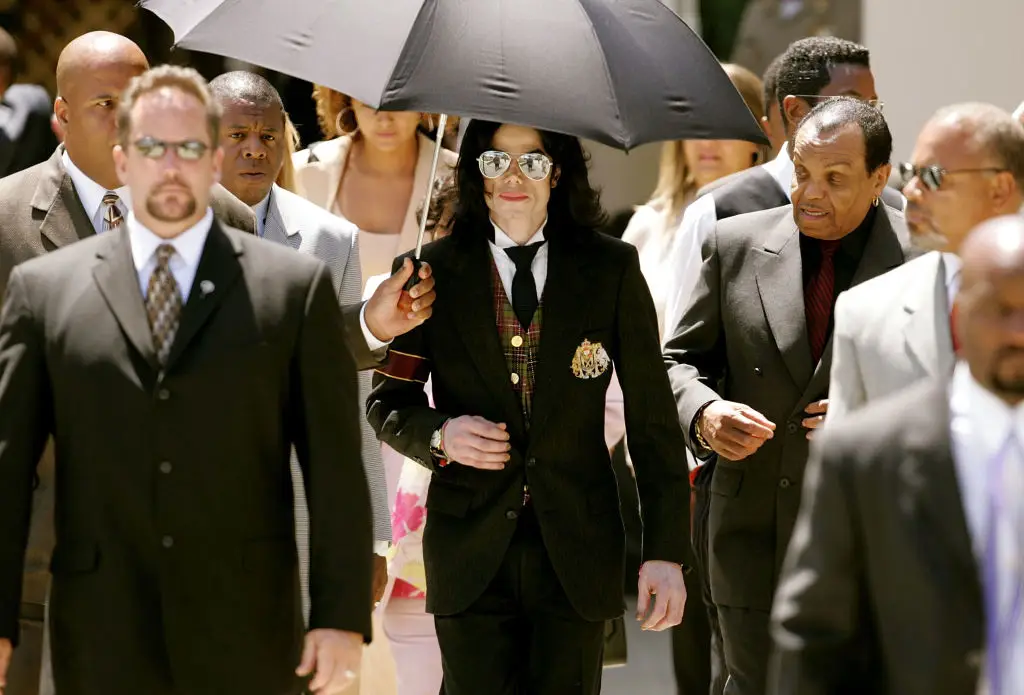
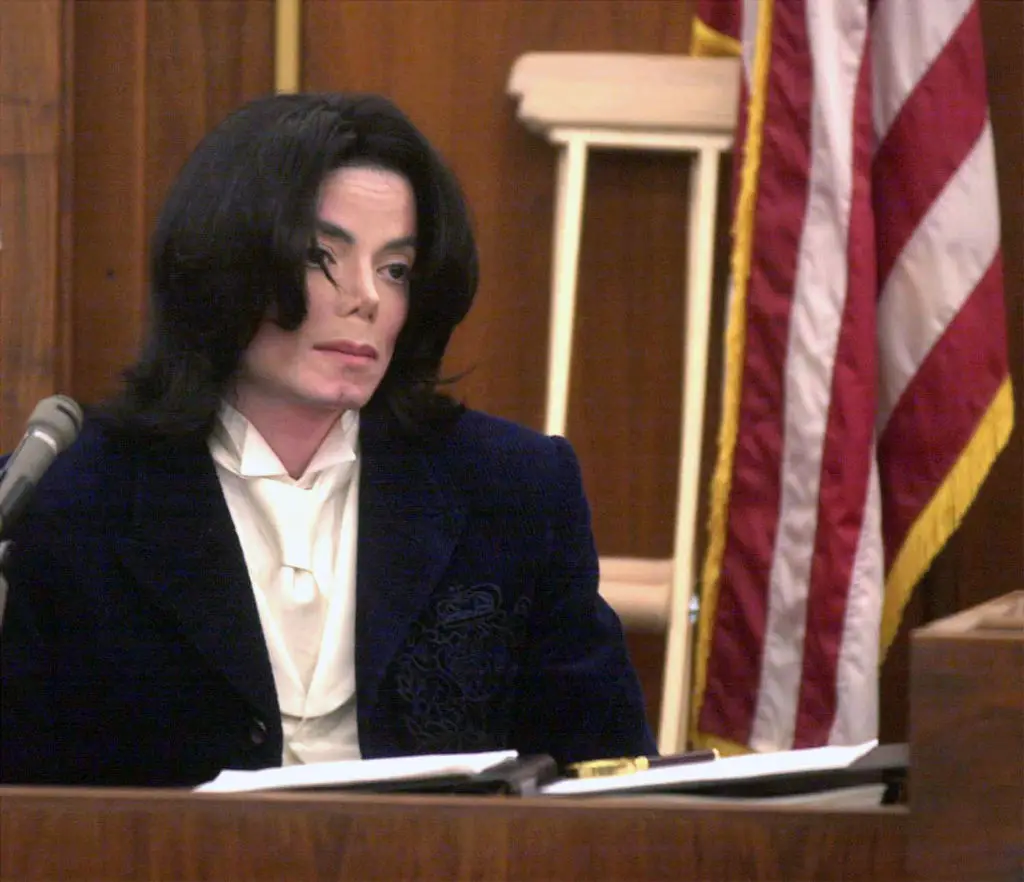
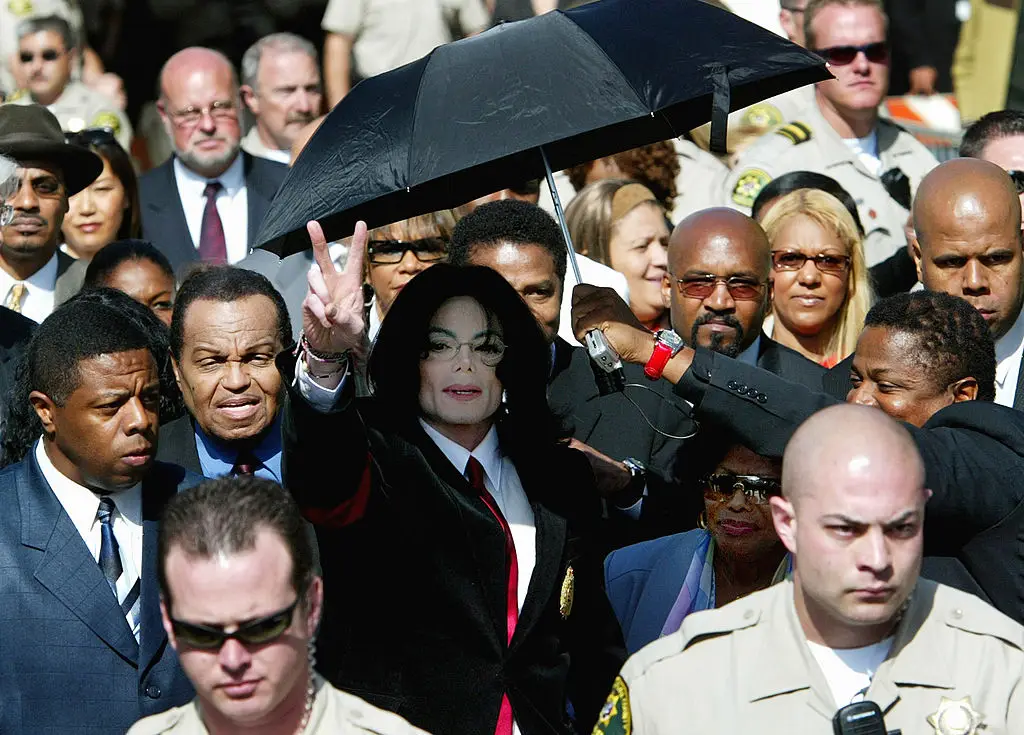
Michael Jackson: The Verdict, now streaming on Netflix, takes a deep dive into the singer’s 2005 criminal trial, when he was accused of molesting 13-year-old Gavin Arvizo.
Jackson denied all allegations and was ultimately acquitted on every count, with jurors citing a lack of evidence.
Across three episodes, the series brings together lawyers, journalists and people close to Jackson at the time, alongside archival footage from police raids and interviews.
Advert
Here are some of the most jaw-dropping claims and moments explored in the documentary.
Among the documentary's most striking contributors is Vincent Amen, a man who came to work for Jackson in 2002 and was tasked with looking after the Arvizo family during the media storm surrounding the case.
Amen produces a series of old Polaroid photos from Neverland during his interview, including one captioned by Gavin's younger brother Star: "I love you, my daddy Michael. Your son, Blowhole."
"These are the nicknames that Michael would give these young boys," Amen says in the film.
USA TODAY, which reviewed the documentary, reports the Jackson estate was contacted for comment but did not respond. UNILAD also reached out for comment.
Allegations of child pornography
The series makes even heavier allegations towards the end of its first episode. Amen claims that in the aftermath of Jackson's arrest, Jackson's longtime friend and assistant Frank Cascio, also known as Frank Tyson, allegedly handed him a bag containing what Amen describes as a magazine with marked-up pages, circling entries in what he says was a video-ordering section.
"Start flipping through it, and there was … circles around the video-ordering section," Amen says.
"Someone wanted these videos, circled the ones they want. These videos, which are of children naked."
According to the documentary, Tyson could not be reached for comment by the filmmakers.
Jackson holed up with teenage boys during the Neverland raid
Jackson was not at Neverland when it was raided. Investigative journalist Diane Dimond, who covered the case extensively, alleges in the documentary that Jackson was hiding out in a Las Vegas villa, wearing what she describes as a colourful dashiki-style garment, and throwing parties in the days following the raid.
"There were cigarette burns in the leather couches and chairs," Dimond alleges.
"There were empty liquor bottles on every table. And this is where Michael Jackson had been for several days, entertaining young teenage boys, who all spoke German."
The case nearly broke him
Jackson surrendered to the Santa Barbara County Sheriff's Department two days after the raid, posting a $3 million bond.
His defence attorney, Mark Geragos, describes the toll the trial took on his client as catastrophic.
"The ingestion of substances was just astronomical," Geragos says in the documentary.
"There was a time when I actually saw him in the fetal position on the floor, and I thought, 'What do we do?'"
Jackson was found not guilty on all counts on 13 June 2005 — but according to his biographer J. Randy Taraborrelli, his manager Frank DiLeo made clear that the acquittal didn't change anything.
"He turned to me, and he said, 'You don't get it. This is life-ruining for Michael. He will never recover from this," Taraborrelli recalls.
Jackson died four years later on 25 June 2009, from acute propofol and benzodiazepine intoxication. He was 50.
Michael Jackson: The Verdict is streaming now on Netflix.
Michael Jackson's attorney and estate have been approached for comment.
Topics: Michael Jackson, Crime, Netflix, Documentaries
 Thomas Bamford