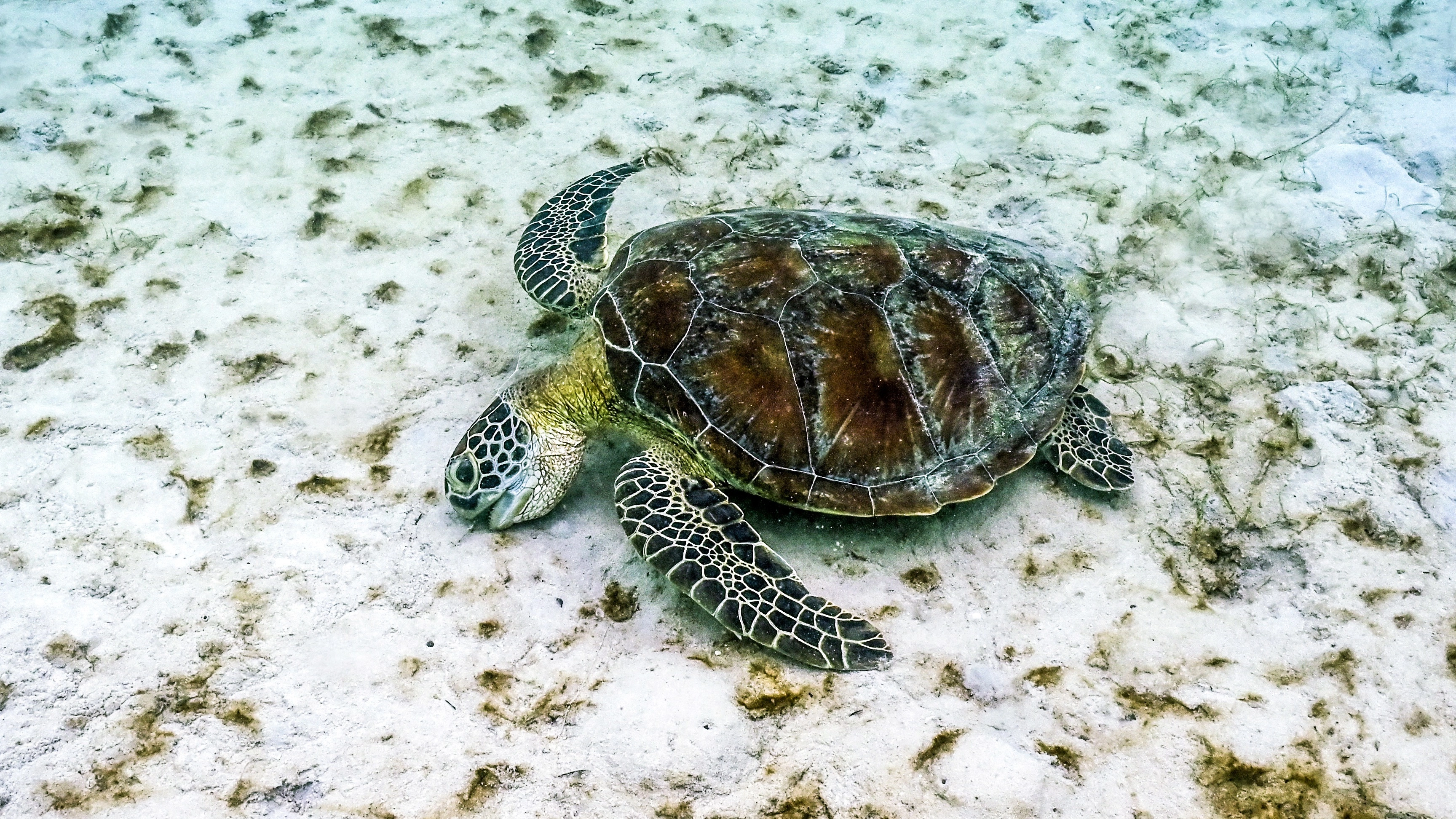
Scientist's gruesome discovery of 150 dead turtles serves as serious warning for the future

Scientists have discovered over 100 dead turtles in Canada, and its implications for our future aren’t great.
From smashed shells to dismembered turtles, Carleton University biologist, Gregory Bulté discovered the brutal scene on Ontario's Opinicon Lake in 2022.
The deceased northern map turtles were filling buckets in the lake as Bulté swam into the water to collect the piles from the lake.
Speaking to CNN, the scientists shared that he wasn’t sure when it was ‘going to end’.
Advert
With nearly 150 dead turtles in his possession, he knew because of his work monitoring the area that that amount accounted for around 10 per cent of the lake’s population.
So, was it a chemical spill, a waste problem, a human, or an environmental problem that led to their deaths?
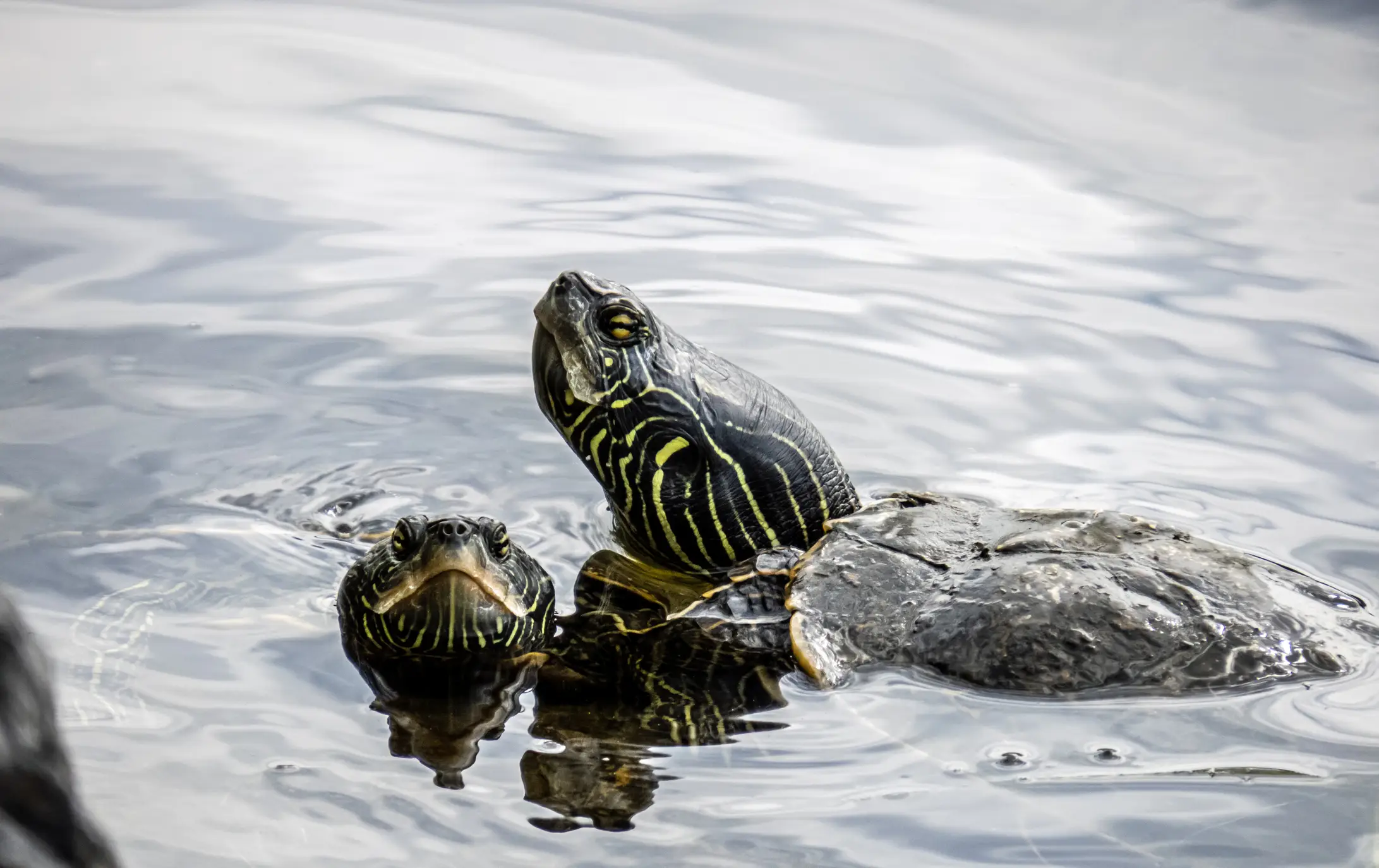
It was the work of river otters – the turtle’s natural predator.
However, it raised questions of why the attack happened, as it was the first mass killing the lake had seen.
After investigating the killings, the biologist got busy and began the process of elimination.
This revealed a shocking source: the climate.
First, he revealed that the turtles sit exposed on the lakebed as they don’t hide in the sediment at the bottom, leaving them exposed to predators like otters.
“Maybe it got a little bit warmer, it melted along the shoreline and (otters) were able to sneak in,” he said.
This then questions if climate change has a part to play.
Considering the turtles sit under a thick sheet of ice, it shouldn’t allow anything in from above.
However, there were holes in the ice, which may have been caused by unexpected warming.
Bulté revealed he has noticed extremely early springs in recent years, telling the outlet: “We're going to have less reliable ice. So, we are certainly wondering if this is going to affect opportunity for predations in the future."
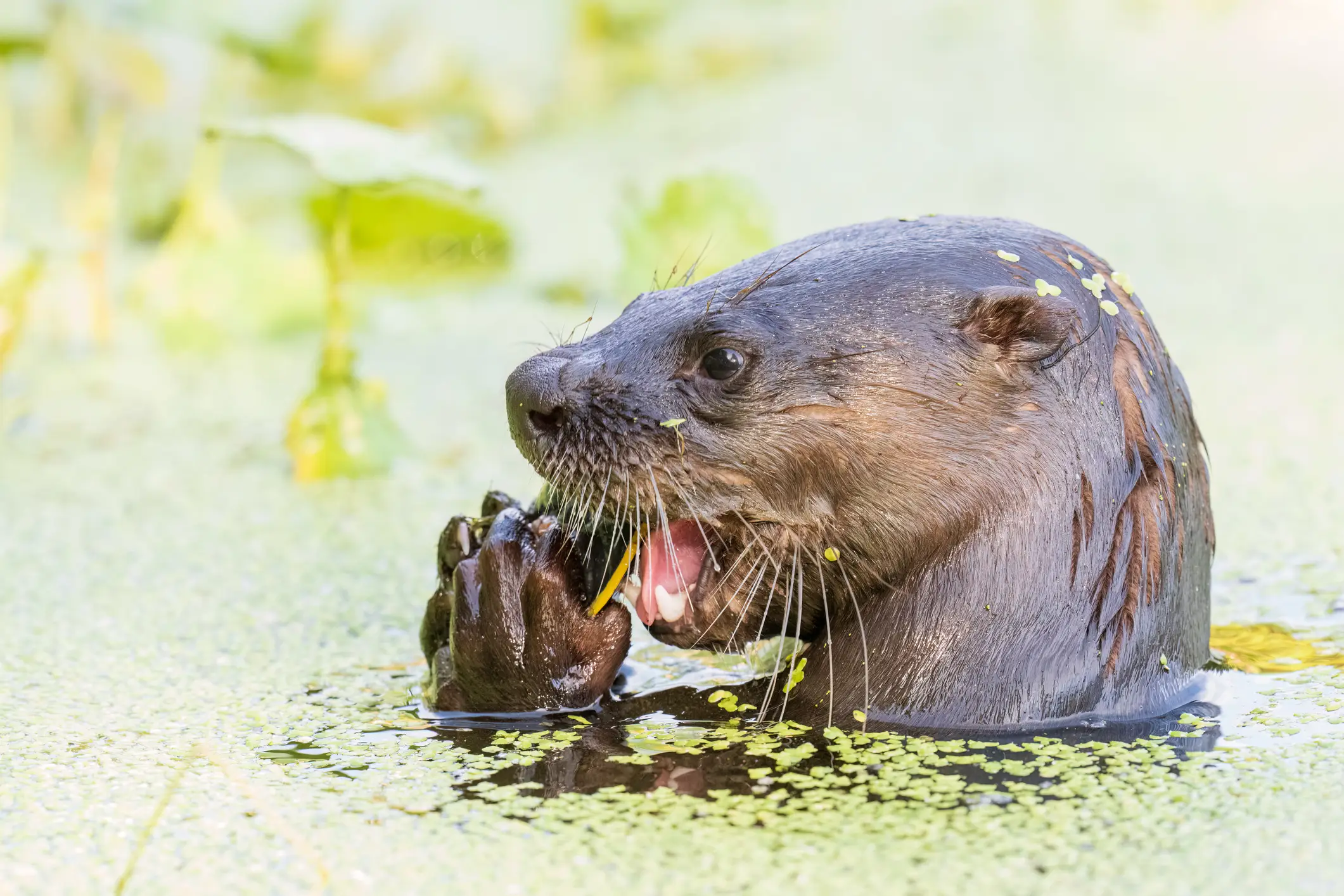
With the weather appearing to warm up quicker, leaving the turtles vulnerable as they sit on the lakebed in a huddle, while otters manage to creep in unexpectedly...it’s not a great outlook for the species.
He explained that ‘maybe this is something they can live with’, but with so many issues, ‘it’s death by a thousand cuts.’
Scarily, this has a big implication on the future of the turtles – after attacks in the 1980s are still impacting them today.
The Ontario Turtle Conservation Centre revealed that because of the status of the turtles, they are heavily protected, with its website stating: “The Map turtle has a status of special concern both provincially and federally. They are protected from collection and ownership in Ontario under the Fish & Wildlife Conservation Act.”
Topics: Animals, Climate Change, Environment, Canada, Science
 Britt Jones