• News
  • Film and TV
  • Music
  • Tech
  • Features
  • Celebrity
  • Politics
  • Weird
  • Community
  • Advertise
  • Terms
  • Privacy & Cookies
  • LADbible Group
  • LADbible
  • SPORTbible
  • GAMINGbible
  • Tyla
  • UNILAD Tech
  • FOODbible
  • License Our Content
  • About Us & Contact
  • Jobs
  • Latest
  • Topics A-Z
  • Authors
Facebook
Instagram
X
Threads
TikTok
YouTube
Submit Your Content
Study reveals the age when you stop discovering new music

Home> Music> News

Updated 12:41 19 Apr 2024 GMT+1Published 08:26 19 Apr 2024 GMT+1

Study reveals the age when you stop discovering new music

It turns out there's a reason some songs resonate with us so much

Emily Brown

Emily Brown

google discoverFollow us on Google Discover
Featured Image Credit: Drew Angerer/Getty Images / kupicoo/Getty

Topics: Music, Science, Psychology, Entertainment

Emily Brown
Emily Brown

Emily Brown is UNILAD Editorial Lead at LADbible Group. She first began delivering news when she was just 11 years old - with a paper route - before graduating with a BA Hons in English Language in the Media from Lancaster University. Emily joined UNILAD in 2018 to cover breaking news, trending stories and longer form features. She went on to become Community Desk Lead, commissioning and writing human interest stories from across the globe, before moving to the role of Editorial Lead. Emily now works alongside the UNILAD Editor to ensure the page delivers accurate, interesting and high quality content.

Advert

Advert

Advert

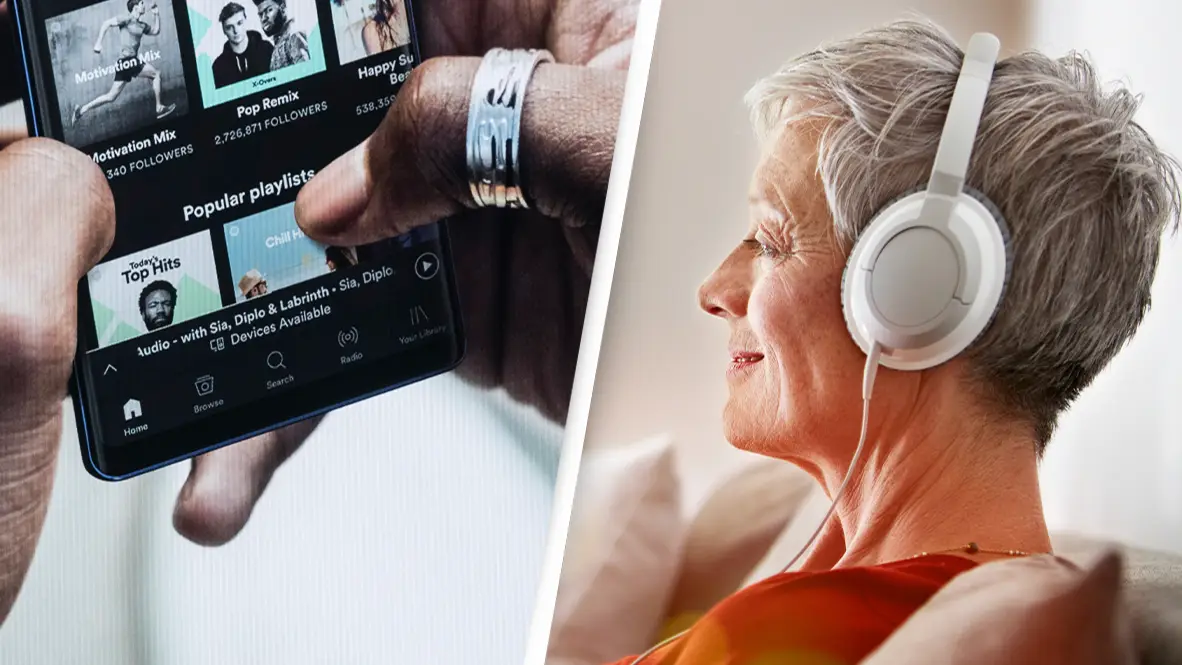
There's something comforting about listening to your favorite artists and songs from years gone by, but a study has claimed to know exactly when we stop discovering new tracks.

Obviously you're likely to run into some new music on occasion on the radio or on TV shows, but really accepting and appreciating that music depends on what is known as 'open-earedness'.

We spend hours and hours of our lives listening to music. (Getty stock image)

This term refers to our ability and desire to listen and consider different sounds and musical styling, and it's probably no surprise to learn that adolescents have been shown to exhibit a greater willingness to do this.

Advert

After all, if we didn't explore new music, would you ever be able to tell your parents that 'it's not a phase'?

Research has indicated that our favorite songs stimulate pleasure responses in our brain, and while this can happen at any age, tracks are more likely to stick with us if we hear them in our adolescence, when our brains are going through a lot of changes.

In order to find out what age we stop listening to new music, streaming service Deezer surveyed 1,000 Brits about their music preferences and listening habits.

The findings revealed that 60 percent of people believed themselves to be in a musical rut as they listened to the same songs on repeat, while 25 percent said they wouldn't be likely to try listening to any new music from outside their preferred genres.

Using these findings, the researchers determined that the peak age for discovering new music is 24 years old, when 75 percent of interviewees said they listened to 10 or more new tracks a week.

Unfortunately, willingness to seek out new songs and artists began to drop off after this age due to a range of factors.
We have less time to discover music as we gain responsibilities. (Getty stock image)

The study found that 19 percent of people were overwhelmed by choice, 16 percent found their jobs too demanding and 11 percent were too busy caring for young children.

By age 31, people stopped discovering new music altogether, the study claimed.

Adam Read, the UK & Ireland music editor at Deezer, commented: "With so much brilliant music out there, it's easy to feel overwhelmed. This often results in us getting stuck in 'musical paralysis' by the time we hit our thirties."

Deezer's findings are reminiscent of those from a 2015 study which looked at data from US Spotify users and Echo Nest, and found that by age 33 it was more likely people would never listen to new music again.

It's a sad thought, but there's nothing to stop you from going out of your way to find new music after this age - it just might not have the same impact as it did in your teenage years!

  • Surprising scientific study reveals the most narcissistic countries in the world
  • New study claims this overlooked gesture could suggest your partner is a psychopath
  • Research shows the age our brains actually peak and it will surprise you
  • New study reveals how to spot a serial killer and the four traits they all have in common

Choose your content:

a day ago
2 days ago
6 days ago
7 days ago
  • Taylor Hill/Getty Images
    a day ago

    Noah Kahan defends Chappell Roan after her latest clash with 'parasitic' paparazzi

    Noah Kahan blasted the paparazzi and autograph hunters for their treatment of celebrities, after viral Chappell Roan video emerged

    Music
  • Monica Schipper/Getty Images for The Recording Academy
    2 days ago

    Paul McCartney claims Yoko Ono ‘believed John Lennon might have been gay’

    Claims that The Beatles' singer-songwriter John Lennon may have slept with men were repeated by Paul McCartney in an unearthed interview

    Music
  • Larry Busacca/Getty Images for Tribeca Film Festival
    6 days ago

    Jack Osbourne opens up about dad Ozzy's final hours

    While the Black Sabbath star had been unwell, his son said his death still came as a surprise

    Music
  • Gilbert Flores/Variety via Getty Images
    7 days ago

    Lily Allen wears 'revenge dress' hinting at ex-husband David Harbour cheating in performance

    The singer's West End Girl tour featured a receipt dress...

    Music