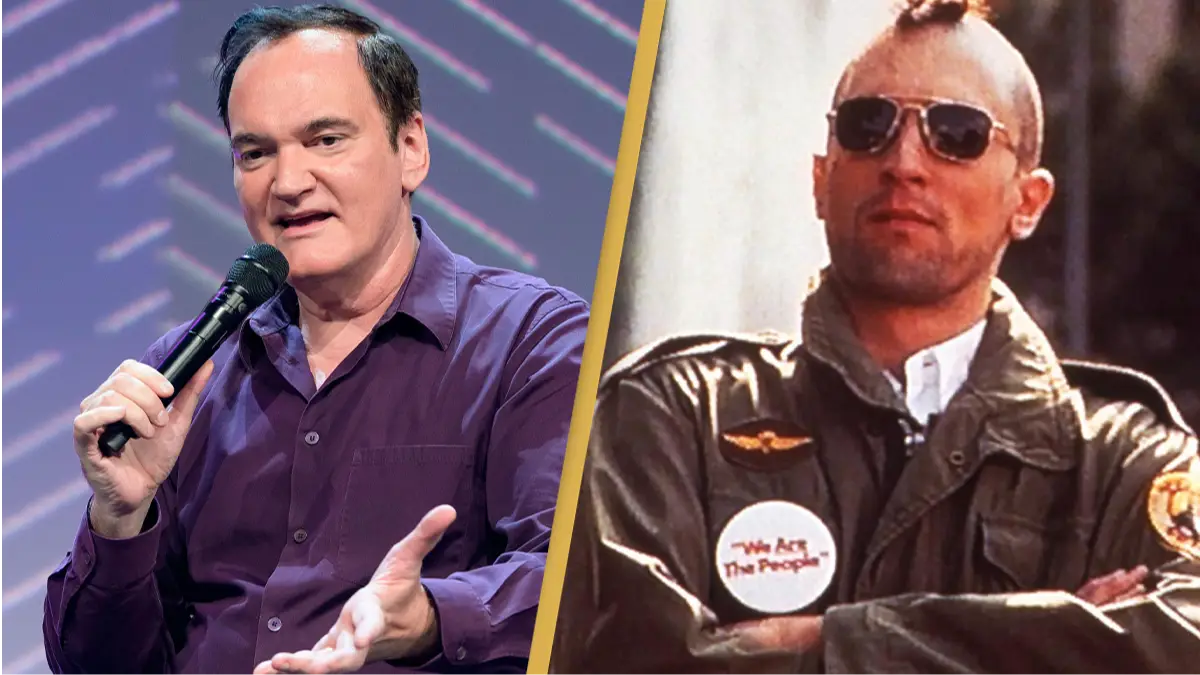
Quentin Tarantino criticises decision to make character white in Martin Scorsese movie Taxi Driver

Quentin Tarantino has criticised a casting decision in Martin Scorsese’s film Taxi Driver, saying the studio should have hired more black actors for the movie.
The seminal 1976 film stars Robert De Niro as the titular cabbie, Travis Bickle, a war veteran living in New York City who takes on night shifts to deal with his chronic insomnia and ends up befriending a young prostitute called Iris (Jodie Foster).
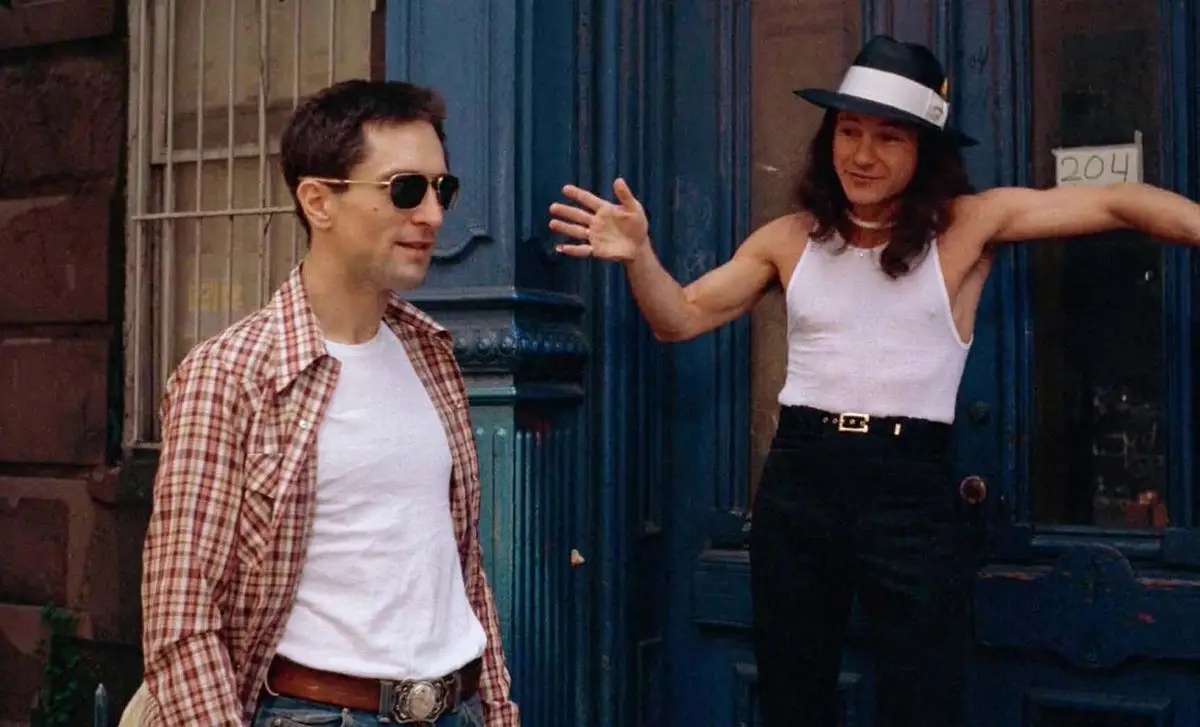
The movie also stars Harvey Keitel as Iris’ pimp, Matthew ‘Sport’ Higgins – a role that Tarantino finds problematic, explaining how director Scorsese and Columbia Pictures made a ‘societal compromise’ by casting Keitel.
Advert
In his new book Cinema Speculation, Tarantino argues that Columbia watered down screenwriter Paul Schrader’s vision for the film, including the race of several characters including Sport, who were black in the original script.
He believes that Bickle was fundamentally racist, but that the characterisation would have been more effective if he had had more interactions with black people, bringing his problematic prejudice to the forefront.
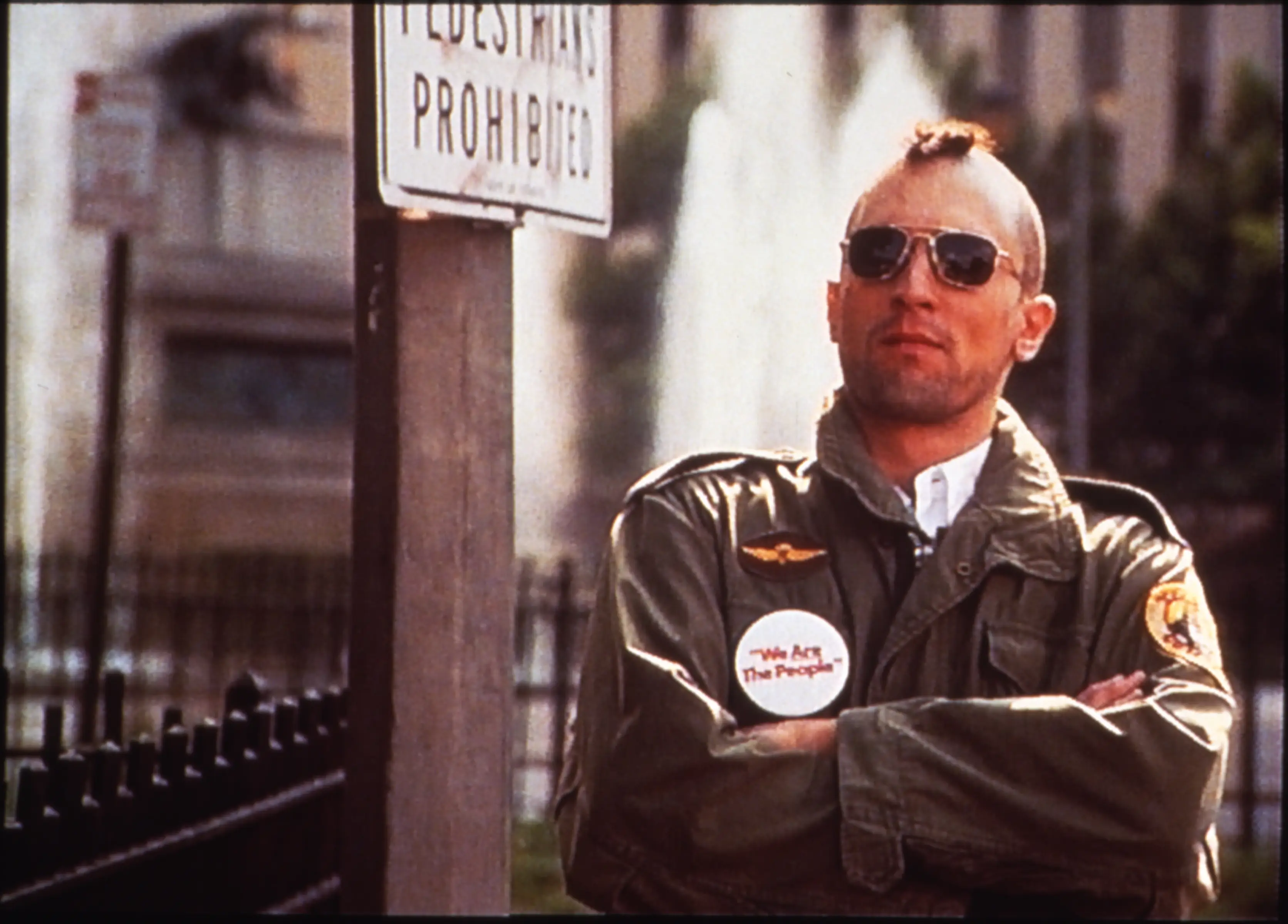
Tarantino writes: “The film makes it obvious he sees black males as figures of malevolent criminality.
“He’s repelled by any contact with them. They are to be feared or at the very least avoided. And since we watch the film from Travis’ point of view, we do as well.”
The filmmaker says Schrader was ‘asked by the producers and Columbia Pictures to change the character of Sport from black to white because the race riots a few years earlier still cast a long shadow’, claiming studio execs had a similar issue with his 2012 film Django Unchained.
“Is it possible Columbia could be timid about a provocative film like Taxi Driver?” Tarantino continues.
“Hell yeah, over thirty years later Columbia Pictures was timid as hell about the reaction to Django Unchained.”
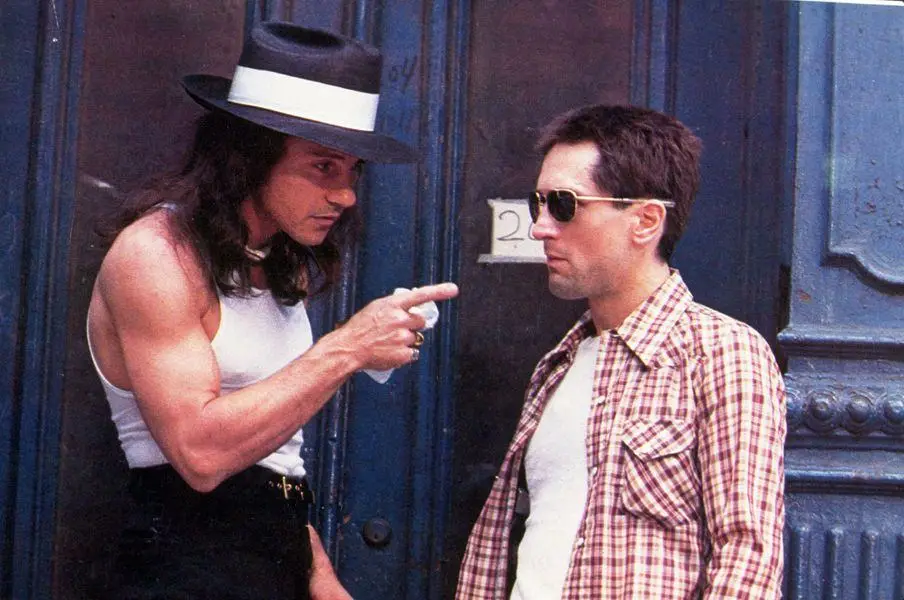
Tarantino proceeds to ask who it was that couldn’t ‘handle’ the idea of Bickle’s racism being more of a central player – black audiences or ‘white folks financing the movie […] made to feel uncomfortable by the imagery in Schrader’s original script’, saying it seems ‘more likely’ to be the latter.
"So uncomfortable that a fear of black males causing violence in cinemas was conveniently trotted out as an excuse to change Schrader’s Sport from black to white?” he says.
Tarantino concludes by saying ‘any way you slice it’, Scorsese, Columbia Pictures and producers Michael and Julia Phillips changing Sport from black to white was a ‘societal compromise’.
Meanwhile, elsewhere in the book, Tarantino heaps praise on another 1970s, flick, The Texas Chainsaw Massacre, saying it is one of few films he believes to be 'perfect'.
After being pressed on this topic during an appearance on Jimmy Kimmel Live, he also named a few of his other favourite flawless films: Jaws (1975), The Exorcist (1973), Annie Hall (1977), Young Frankenstein (1974), and Back to the Future (1985).
He also gave an honourable mention to Sam Peckinpah’s 1969 western The Wild Bunch, admitting it wasn't technically a 'perfect' movie, but was 'so unassailable' that it had to be in his top seven.
UNILAD has reached out to Sony Pictures Motion Picture Group, which owns Columbia Pictures, for comment.
Topics: Film and TV, Quentin Tarantino
 Jess Hardiman