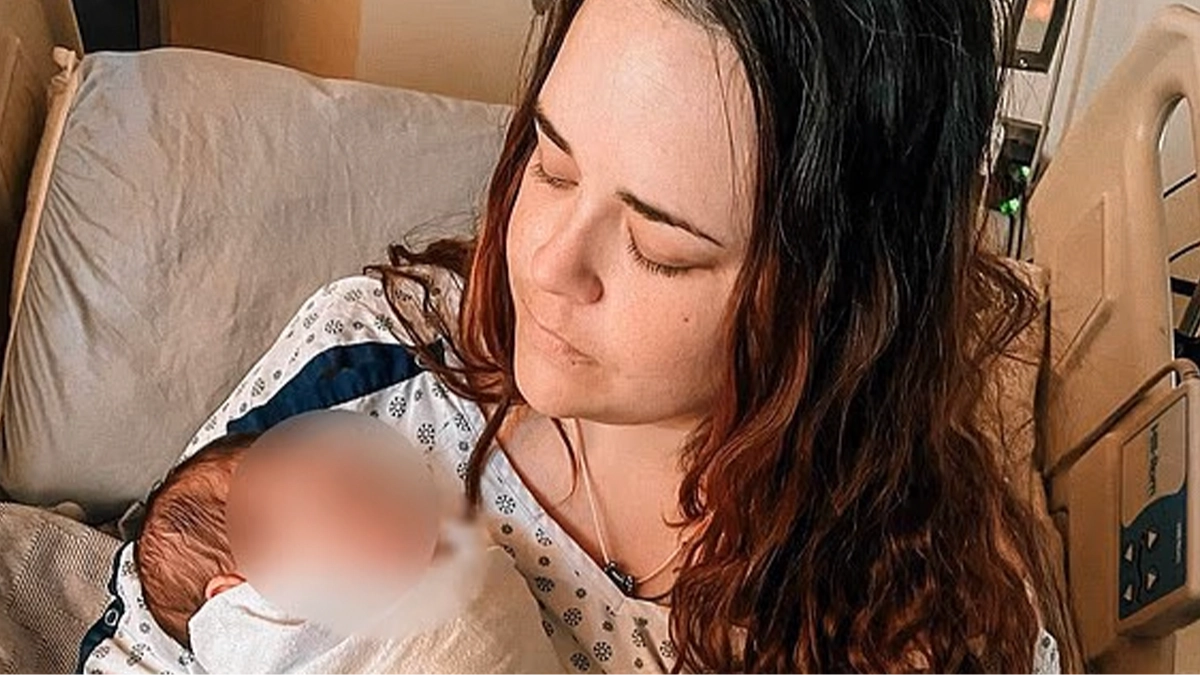
Surrogate mother reveals the hardest part of carrying someone else's baby as process faces controversy

A surrogate mother has detailed the hardest part of carrying someone else's baby and it's not the actual handing over the newborn part.
Dawn Wickhorst, a photographer from Alberta, Canada, decided to become a surrogate back in 2019 after realising the number of couples struggling to have kids.
The 33-year-old, who's already a mother of five, has been a surrogate for two gay couples and has found the whole experience incredibly rewarding.
However, that doesn't mean the whole process didn't come without its struggles as Dawn juggled caring for five kids on top of managing symptoms such as nausea and back pain that can be prevalent during pregnancy.
Advert
During this time, Dawn felt incredibly lonely and is advising those considering being a surrogate to make sure they have a strong support network around them to help when times get tough.
Describing her experience, Dawn said: "I decided to become a surrogate after my eyes were opened to how many people struggle to conceive.

“I didn’t realise how lucky I was because I have five children of my own and all of my pregnancies went really well.
“I just felt like my body could do good for somebody. A lot of people say they could never be a surrogate because they could never give up the baby, but you go into the process fully aware that you aren’t coming out with a baby."
Handing over the baby to excited parents was 'emotional and beautiful to watch' according to Dawn. She then went on to discuss the 'hardest part' surrounding the whole experience.
She said: "The hardest part was actually the loneliness; there were moments where I felt completely invisible.
"I remember sitting in waiting rooms alone, managing big feelings quietly, or going home afterward to regular responsibilities as a single mum, with no pause to process what I was carrying, literally and emotionally.
"Because you’re a surrogate, there’s this unspoken expectation to just ‘handle it’ quietly, because it’s something you chose to do, and I think it can make pregnancy symptoms feel heavier when you’re dealing with them mostly on your own."
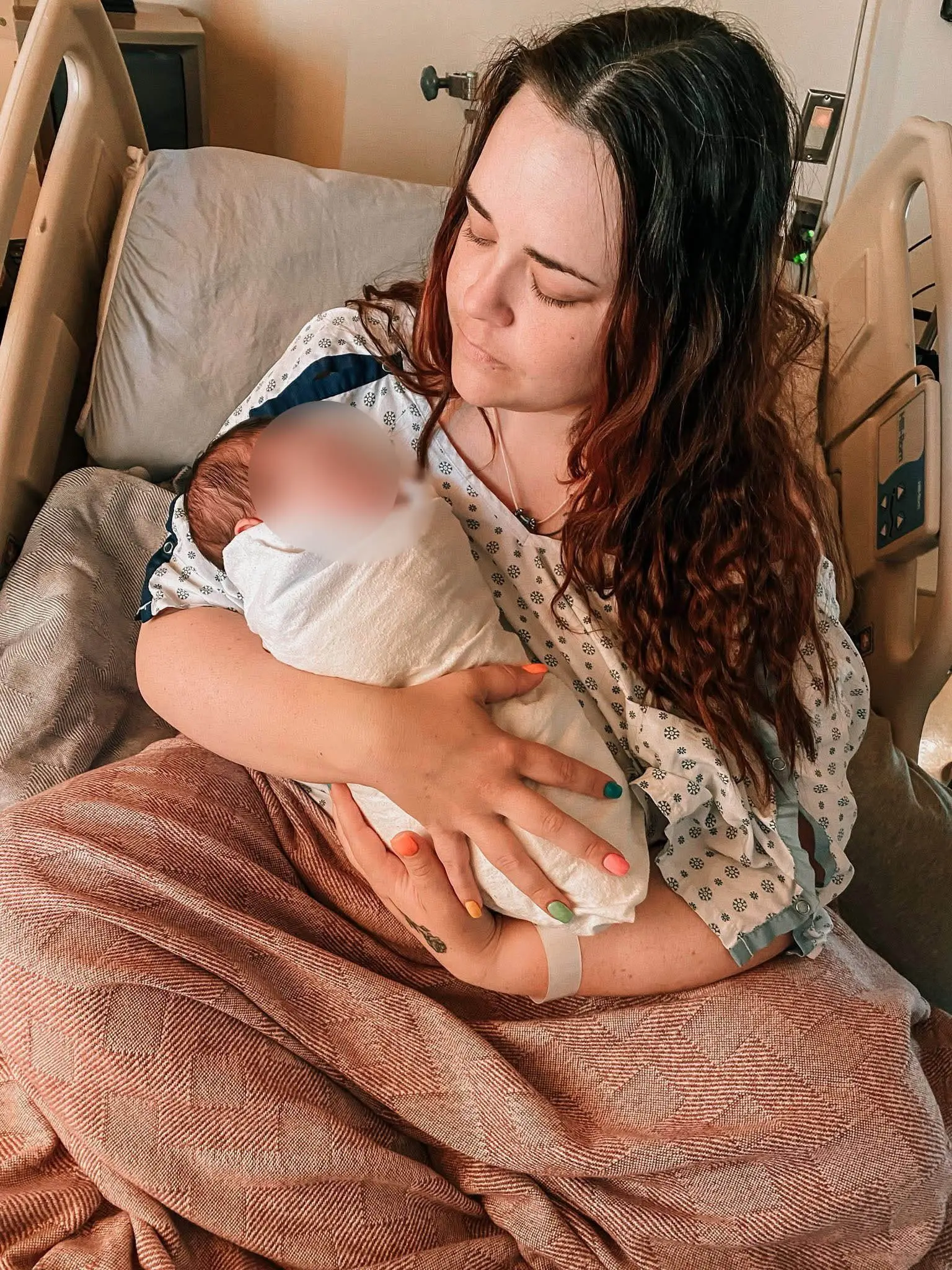
It's actually illegal to pay surrogates in Canada, so Dawn ended up being involved in the process without any financial benefit.
While she didn't find it a struggle handing over the baby at the end of the surrogacy, Dawn said there is a grieving process of sorts due to the fact the surrogacy has concluded.
"My whole life revolved around having a baby for this couple, and then all of a sudden it was over," she said.
The Canadian doesn't regret being a surrogate on two separate occasions though, she just feels more needs to be done for surrogate mothers.
"I think it would be amazing if there were more services out there for surrogates, such as support groups, so that it doesn’t feel so lonely," Dawn admitted.
 Callum Jones