
unilad homepage
unilad homepage
    • News
      • UK News
      • US News
      • World News
      • Crime
      • Health
      • Money
      • Sport
      • Travel
    • Music
    • Technology
    • Film and TV
      • News
      • DC Comics
      • Disney
      • Marvel
      • Netflix
    • Celebrity
    • Politics
    • Advertise
    • Terms
    • Privacy & Cookies
    • LADbible Group
    • LADbible
    • SPORTbible
    • GAMINGbible
    • Tyla
    • UNILAD Tech
    • FOODbible
    • License Our Content
    • About Us & Contact
    • Jobs
    • Latest
    • Archive
    • Topics A-Z
    • Authors
    Facebook
    Instagram
    X
    Threads
    TikTok
    YouTube
    Submit Your Content
    Artist was 'ready to die' after allowing spectators to do anything to her for six hours in extreme performance

    Home> Community> Life

    Updated 07:54 12 May 2025 GMT+1Published 20:35 18 Jun 2024 GMT+1

    Artist was 'ready to die' after allowing spectators to do anything to her for six hours in extreme performance

    Marina Abramovic had a harrowing experience during a dangerous performance art piece

    Niamh Shackleton

    Niamh Shackleton

    google discoverFollow us on Google Discover
    Featured Image Credit: Gustavo Caballero/Getty Images for GCK / WILL RAGOZZINO/Patrick McMullan via Getty Images

    Topics: Art, Marina Abramović

    Niamh Shackleton
    Niamh Shackleton

    Niamh Shackleton is an experienced journalist for UNILAD, specialising in topics including mental health and showbiz, as well as anything Henry Cavill and cat related. She has previously worked for OK! Magazine, Caters and Kennedy.

    X

    @niamhshackleton

    Advert

    Advert

    Advert

    In 1974, artist Marina Abramovic allowed the public free rein of her body for six hours as part of a controversial performance art piece.

    Spectators had a simple task: there were 72 objects laid out in front of Abramovic and they could 'use' the items on her as they desired while she wouldn't move her body for six hours in what she called 'Rhythm 0'.

    No matter what they did, Abramovic said she would take 'full responsibility'.

    Of the 72 objects were things like flowers, perfume and apples, as well as more sinister items like razors and knives.

    Advert
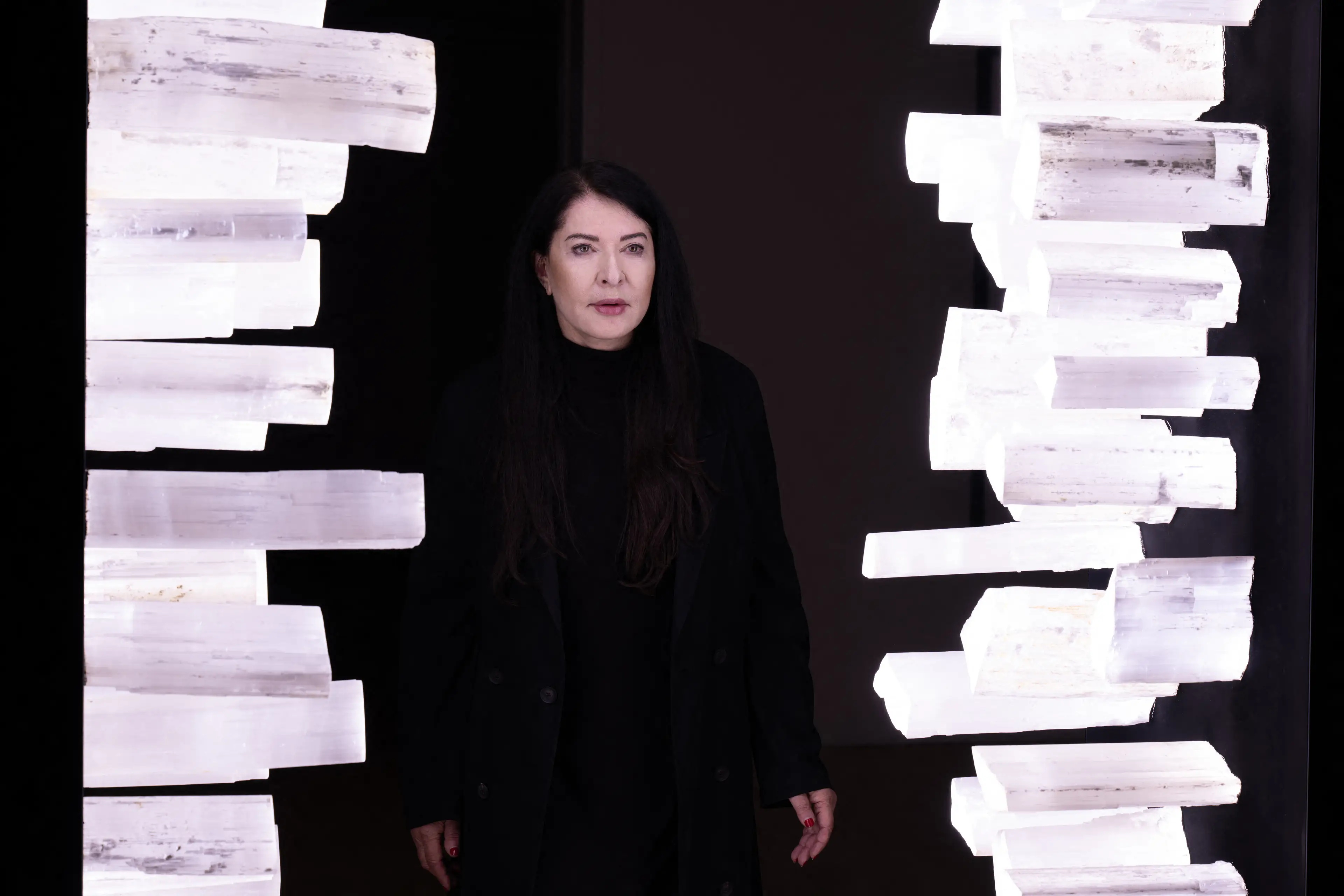
    Marina Abramović is a performance artist. (NICK GAMMON/AFP via Getty Images)
    Marina Abramović is a performance artist. (NICK GAMMON/AFP via Getty Images)

    While people were tame at first, things took a dark turn for Abramovic around half-way through the experiment.

    A knife was stuck between her legs, while parts of her clothing were ripped off her.

    Harrowing photos taken at the time show Abramovic crying.

    She got to see both sides of humanity; while one individual reportedly cut her neck to drink her blood, others wiped away the artist's tears and tried to intervene.

    According to some reports, Abramovic - who had been hailed as 'one of the most significant artists of the second half of the 20th century' - eventually ended up with a loaded gun to her head, sparking people to step in and end the performance.
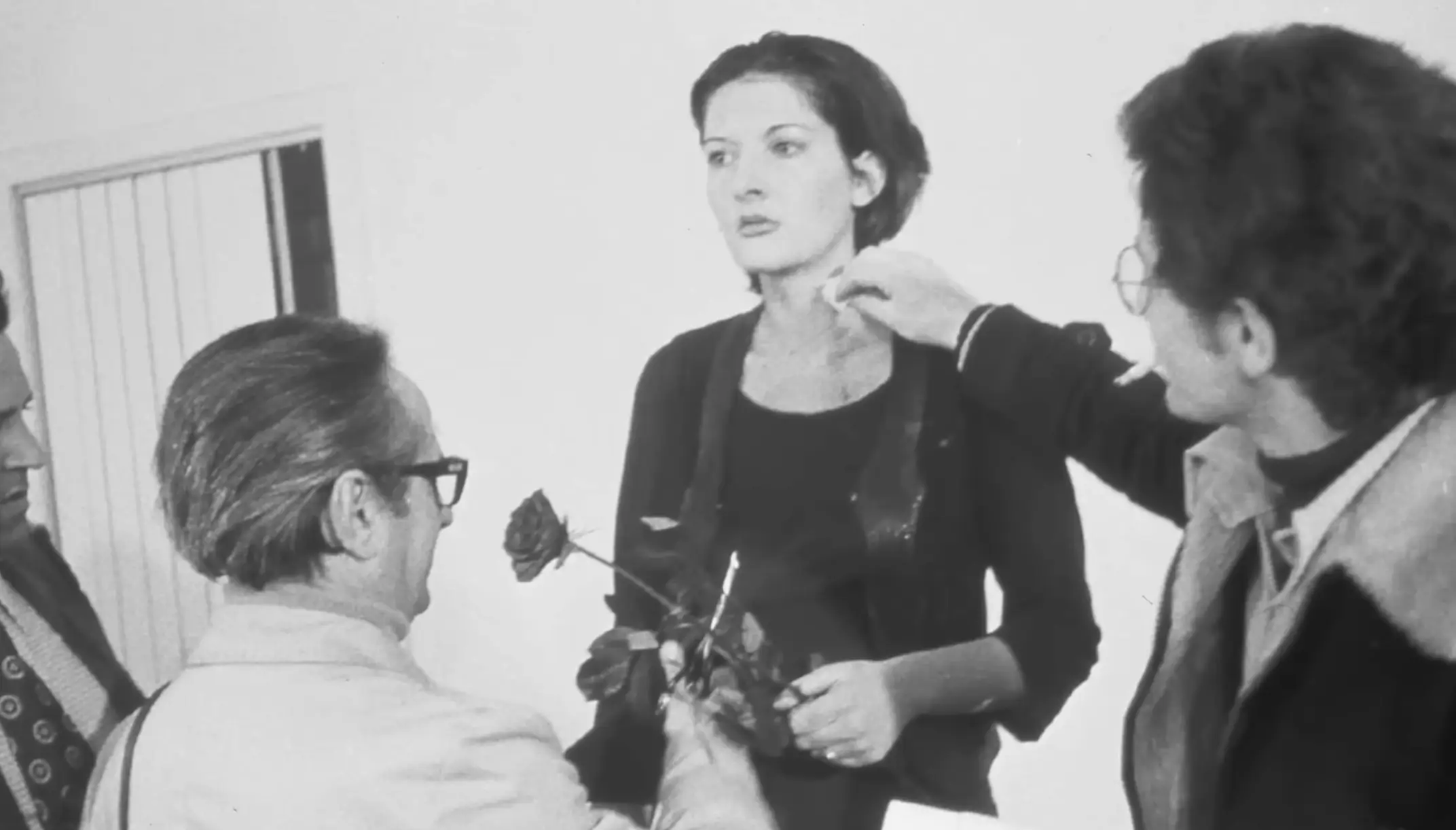
    One person cut the artist. (Marina Abramović Institute/YouTube)
    One person cut the artist. (Marina Abramović Institute/YouTube)

    It still remains up for debate whether it was their intervention that ended 'Rhythm 0' or whether the six hours finally elapsed.

    Reflecting on the performance in an interview posted on the Marina Abramovic Institute YouTube channel, she labelled the piece as 'really difficult'.

    "At the beginning, nothing really happened," she reflected. "The public were really nice. They gave me a rose, they would kiss me, look at me, and the public became more and more wild."

    Speaking about things she endured and when the performance finally came to an end, she went on: "I start moving. I start being myself [...] and, at that moment, everybody ran away. People could not actually confront with me as a person."
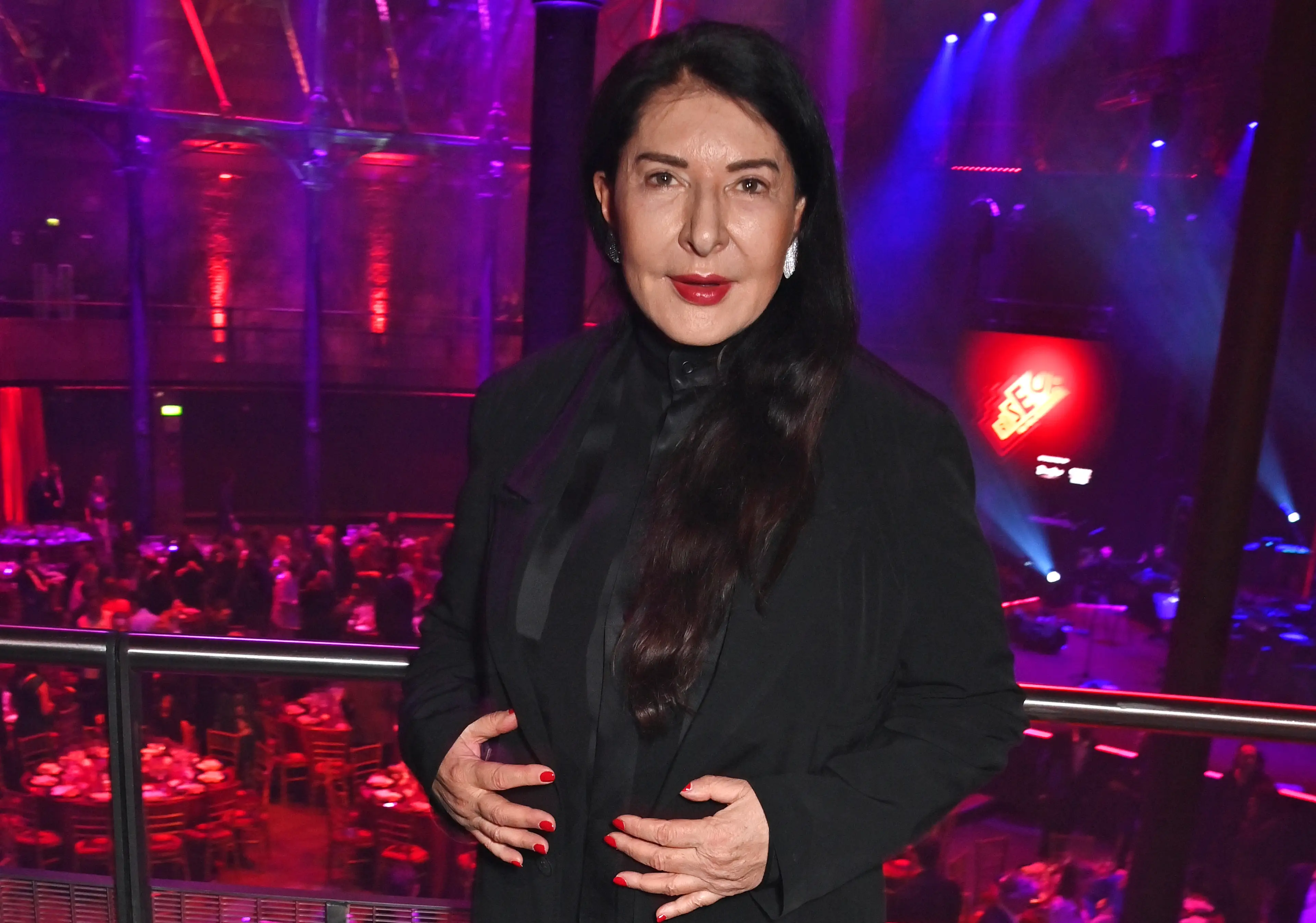
    Abramović performed her 'Rhythm 0' piece in 1974. (Dave Benett/Getty Images for the Roundhouse)
    Abramović performed her 'Rhythm 0' piece in 1974. (Dave Benett/Getty Images for the Roundhouse)

    She added: "The experience I drew from this piece was that in your own performances you can go very far, but if you leave decisions to the public, you can be killed."

    Further reflecting on this in a 2014 interview with the Guardian, Abramovic said she was 'ready to die'.

    "I had a pistol with bullets in it, my dear. I was ready to die," she told the newspaper.

    The acclaimed artist went on to label herself as 'lucky' that she lived to tell the tale.

    Choose your content:

    8 days ago
    10 days ago
    19 days ago
    21 days ago
    • Facebook
      8 days ago

      Healthy woman explained why she chose to end her life by euthanasia

      Wendy Duffy died by suicide on Friday

      Community
    • EMMANUEL DUNAND/AFP via Getty Images
      10 days ago

      Bizarre 'Scientology run' challenge explained as 'raid' trend sees teens storm church's buildings

      Users are divided on the trial, with some asking how they can 'sign up' to take part

      Community
    • ITV
      19 days ago

      Woman marrying convicted murderer on death row opens up about their relationship

      Tiana Krasniqi is set to wed James Broadnax, who was convicted of a double murder in 2009

      Community
    • Getty Stock
      21 days ago

      Hiring managers are sharing the worst interview experiences that make them reject people instantly

      Hiring the right person for the job can be extremely difficult, especially in a world of artificial intelligence and Zoom interviews

      Community
    • Artist 'ready to die' after allowing spectators to do anything to her reveals unbelievable reaction public had immediately after
    • Artist who had nine orgasms in public museum for performance reveals why it was so 'terrible'
    • Artist explains why she let fashion designer ‘suck her t**’ for piece and says it was ‘not easy to do’
    • Artist who had nine orgasms in public museum for performance reveals the most difficult part of the process