unilad homepage
unilad homepage
    • News
      • UK News
      • US News
      • World News
      • Crime
      • Health
      • Money
      • Sport
      • Travel
    • Music
    • Technology
    • Film and TV
      • News
      • DC Comics
      • Disney
      • Marvel
      • Netflix
    • Celebrity
    • Politics
    • Advertise
    • Terms
    • Privacy & Cookies
    • LADbible Group
    • LADbible
    • SPORTbible
    • GAMINGbible
    • Tyla
    • UNILAD Tech
    • FOODbible
    • License Our Content
    • About Us & Contact
    • Jobs
    • Latest
    • Archive
    • Topics A-Z
    • Authors
    Facebook
    Instagram
    X
    Threads
    TikTok
    YouTube
    Submit Your Content
    Co-founder of Titan submersible explains why he believes he can ‘safely’ send humans to Venus

    Home> Technology> Space

    Published 20:24 18 Jun 2024 GMT+1

    Co-founder of Titan submersible explains why he believes he can ‘safely’ send humans to Venus

    Guillermo Söhnlein also co-founded his Humans2Venus Foundation in 2020.

    Ella Scott

    Ella Scott

    google discoverFollow us on Google Discover
    Featured Image Credit: BBC / OceanGate Expeditions

    Topics: Space, NASA, Titanic, Science, Technology, Earth

    Ella Scott
    Ella Scott

    Advert

    Advert

    Advert

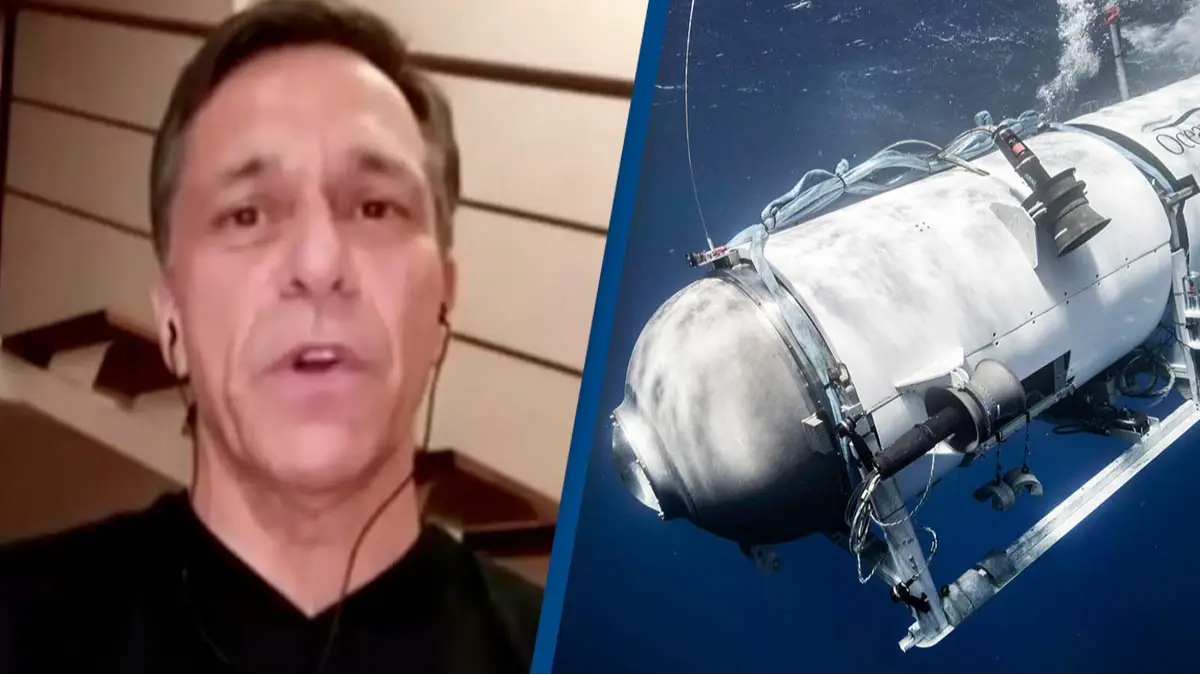
    An OceanGate co-founder claims humans can ‘safely’ be sent to habituate Venus - despite experts believing it’s almost impossible for us to survive on the planet.

    Guillermo Söhnlein, 58, and the late Stockton Rush, 61, co-founded the company behind the Titan submersible in 2009.

    Rush was onboard the OceanGate vessel along with Paul-Henri Nargeolet, Hamish Harding, Shahzada Dawood and Sulaiman Dawood when it suffered a ‘catastrophic implosion’ just hours into a trip to see the Titanic wreckage site last year.

    His former business partner, Söhnlein, has since outlined plans for his new venture.

    Advert

    Writing on his blog in April this year, the Argentinian-born businessman revealed how he thinks humanity can survive on Venus and overcome its various inhospitable challenges.

    Söhnlein believes that by utilising ‘breathing apparatus and acid-resistant materials’ humans can adapt to the planet’s atmosphere.

    Moreover, he also claims that Venus’ 864 degrees Fahrenheit surface shouldn’t be an issue for Earth dwellers as long as 50km homes and buildings are erected.

    This is because experts claim conditions 50km above Venus’ surface are similar to those on Earth, as per The Independent.

    “We could embark on our Venusian journey TODAY... and do it safely and cost-effectively,” typed the OceanGate co-founder in April.

    “The reality is that Venus is much closer to Earth and has a much more similar orbit, which makes it much more accessible than Mars (lower cost, more frequent flight windows, shorter transit times, higher safety, etc.).

    Furthermore, Söhnlein argues that NASA could send humans to Venus before Mars - despite astronauts having never travelled physically further than the Moon.
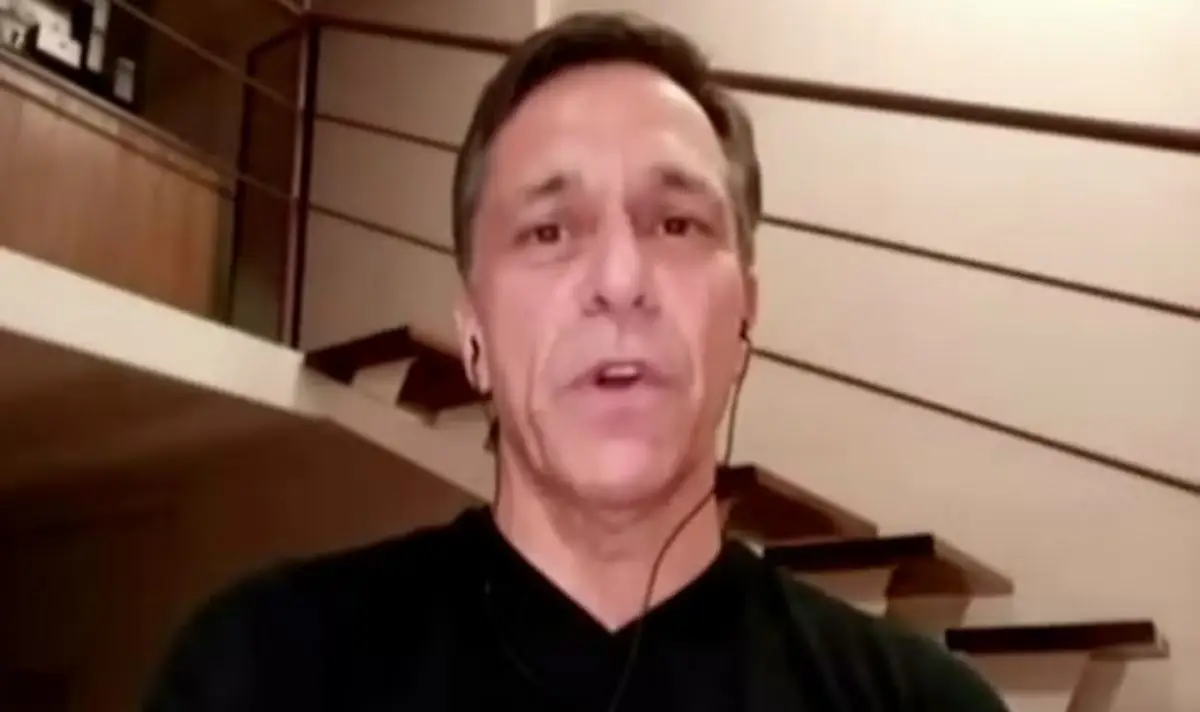
    Guillermo Söhnlein co-founded OceanGate but left the company in 2013. (BBC)
    Guillermo Söhnlein co-founded OceanGate but left the company in 2013. (BBC)

    “Also, we don’t have to worry about conducting successful landings on the planet’s surface, which is one of the biggest challenges awaiting us on Mars.” he said.

    “If anything, one could argue that sending humans to Venus BEFORE sending them to Mars might be a better way to safely develop the capabilities to create a Martian community,” he wrote.

    The former Marine Corp, who departed OceanGate in 2013, co-founded the Humans2Venus Foundation in 2020 - a nonprofit organization ‘dedicated to promoting Venus as a potential long-term destination for humanity.’

    Speaking about his planet-focused project last year, Söhnlein said: "I think I've been driven to help make humanity a multi-planet species since I was 11 years old.

    “I had this recurring dream of being the commander of the first Martian colony.”

    He added to Business Insider last year that he believes 1,000 humans could be living in The Evening Star’s clouds by 2050.

    “It is aspirational, but I think it's also very doable.” he said.

    Choose your content:

    a day ago
    6 days ago
    9 days ago
    11 days ago
    • Getty Stock Images
      a day ago

      Man who used AI to apply to 1,000 jobs while he was sleeping woke up to mind blowing results

      Work smart, not harder has taken on a whole new meaning

      Technology
    • Justin Sullivan/Getty Images
      6 days ago

      OpenAI names 22 industries at risk of job losses as it proposes four day week

      Two new reports suggest AI might be coming for your job - but you could also get a three day weekend

      Technology
    • Kayla Bartkowski/Bloomberg via Getty Images
      9 days ago

      Congressman Tim Burchett claims he has seen UFO footage that ‘defies logic’

      Tim Burchett says he has seen UFO footage that couldn't be man made - and he wants answers from the government

      Technology
    • NASA/JPL-Caltech/MSSS
      11 days ago

      NASA's Curiosity rover makes groundbreaking discovery that suggests Mars can support life

      An expert has claimed the new reveal 'increases the prospect that Mars offered a home for life in the ancient past'

      Technology
    • Astronomers find new evidence for life on Venus
    • People are only just learning why you can sometimes see the Moon during the day
    • Scientists discover incredible evidence of volcanic activity on Venus
    • Human missions to Mars in serious doubt after discovery made on effects to astronaut’s bodies