Scientists reveal the most populated cities at risk of 'city-destroying' asteroid that could hit Earth in seven years

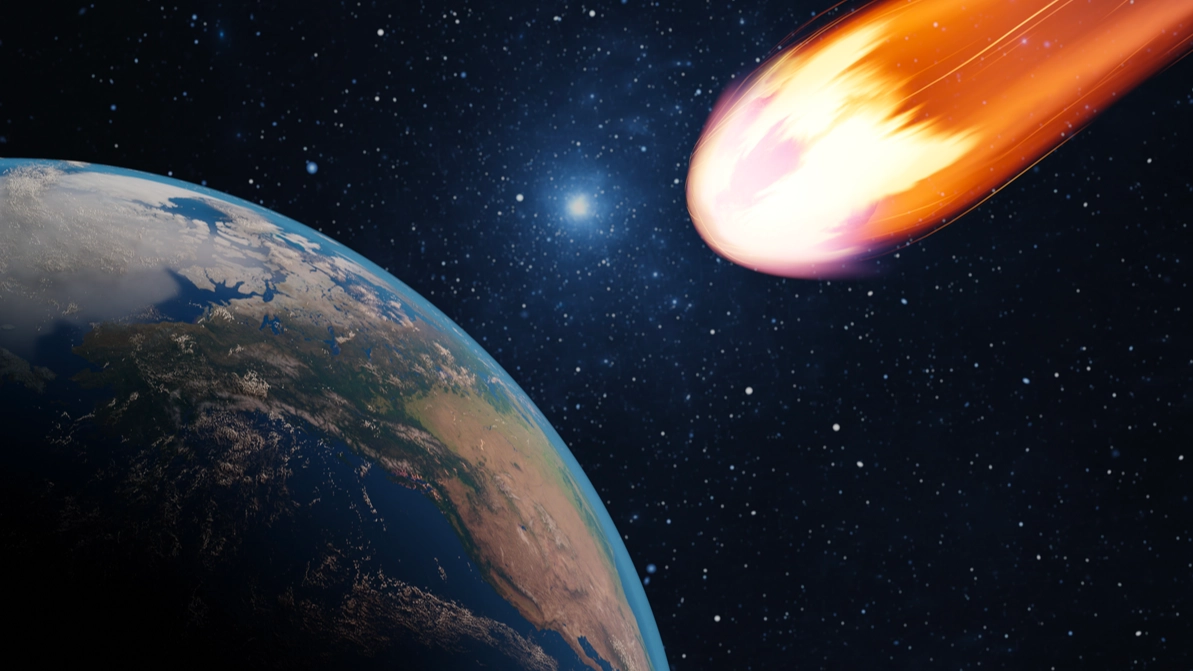
Not to cause alarm, but scientists say an asteroid the size of the Statue of Liberty could be hurtling towards Earth in just seven years' time.
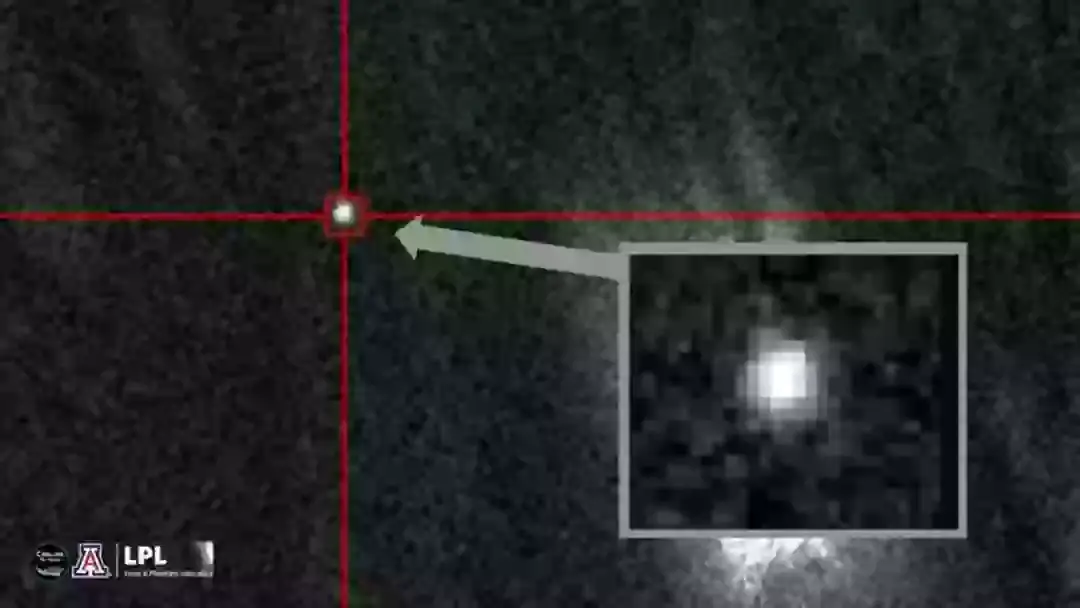
NASA clocked a giant rock, now called 2024 YR4, in December last year which has since shot up the charts on the impact risk to our home planet.
That's because it's not just any old rock, but a mega 'city killer' asteroid the size of the New York monument, London's Big Ben or Cinderella's Castle in Walt Disney World Florida.

Advert
Scientists predict there's a one-in-32 chance it could smash into Earth in 2032, and while space boffins initially stated it's more unlikely than likely it will hit us, they are now warning it poses a greater risk of impact than they initially thought.
They are erring on the side of caution by planning potential ways to stop it, but some such as Dr Robin George Andrews say efforts to protect us could turn disastrously wrong.
Several countries have been named as being at risk as astronomers believe it could explode when it enters our atmosphere and create a path of destruction to the tune of eight million tons of TNT, damaging everything within a 30-mile radius.
Nine countries that are at risk of taking the brunt of the impact are: India, Pakistan, Bangladesh, Ethiopia, Sudan, Nigeria, Venezuela, Colombia, and Ecuador.
And if it hits home, it could cause an explosion equivalent to 500 atomic bombs, putting around 110 million lives at risk across eight of the world's most-population cities.
This includes Bogotá, Abidjan, Lagos, Khartoum, Mumbai, Kolkata and Dhaka.
The warnings come as the odds of the asteroid striking us was initially set at 2.6 percent but has since climbed to 3.1 percent, the highest risk level of any large asteroid in history, as of today (February 19).
To compare, 99942 Apophis, which had a far ominous nickname of the 'God of Chaos', was given a 2.7 percent chance of careering into Earth by 2029, before it was ruled out as a threat.
Alongside predicting a possible warpath for the asteroid, astronomers have also been investigating where it could land.
David Rankin, an engineer with NASA’s Catalina Sky Survey Project, mapped out a 'risk corridor', predicting it to collide anywhere around northern South America, across the Pacific Ocean, southern Asia, the Arabian Sea, and Africa.
Dr Andrews, who wrote the book, How to Kill an Asteroid: The Real Science of Planetary Defense, is warning against knocking the asteroid from its path.
"Nobody wants to accidentally 'disrupt' an asteroid, because those components can still head for Earth," he said. "As I often say, it's like turning a cannonball into a shotgun spray."
"But we aren't going to see it again until another Earth flyby in 2028. So much could go wrong if we try and hit it with something like DART [Double Asteroid Redirection Test - which was the first-ever mission dedicated to investigating and demonstrating one method of asteroid deflection by changing an asteroid’s motion in space through kinetic impact].
"It may be smaller, or larger. If it's too big, we may not be able to deflect it with one spacecraft. We'd need several to hit it perfectly, all without catastrophically breaking it."
Well, at least until then we can sleep assured that the space rock is orbiting Earth at a comfortable distance of tens of thousands of miles away... For now.
Topics: NASA, Science, Space, Earth, US News, World News, Technology
 Liv Bridge