Why experts believe cure for disease that killed Stephen Hawking could be found in space

Motor neurone disease, the illness that killed world-renowned physicist Stephen Hawking, could be cured by conducting research in space, experts say.
While humans have spent generations using what we have on Earth to create medicines, scientists are starting to look out into space for the next big thing.
Pharmaceutical companies are even considering making orbiting laboratories to develop medications for people who need something different.
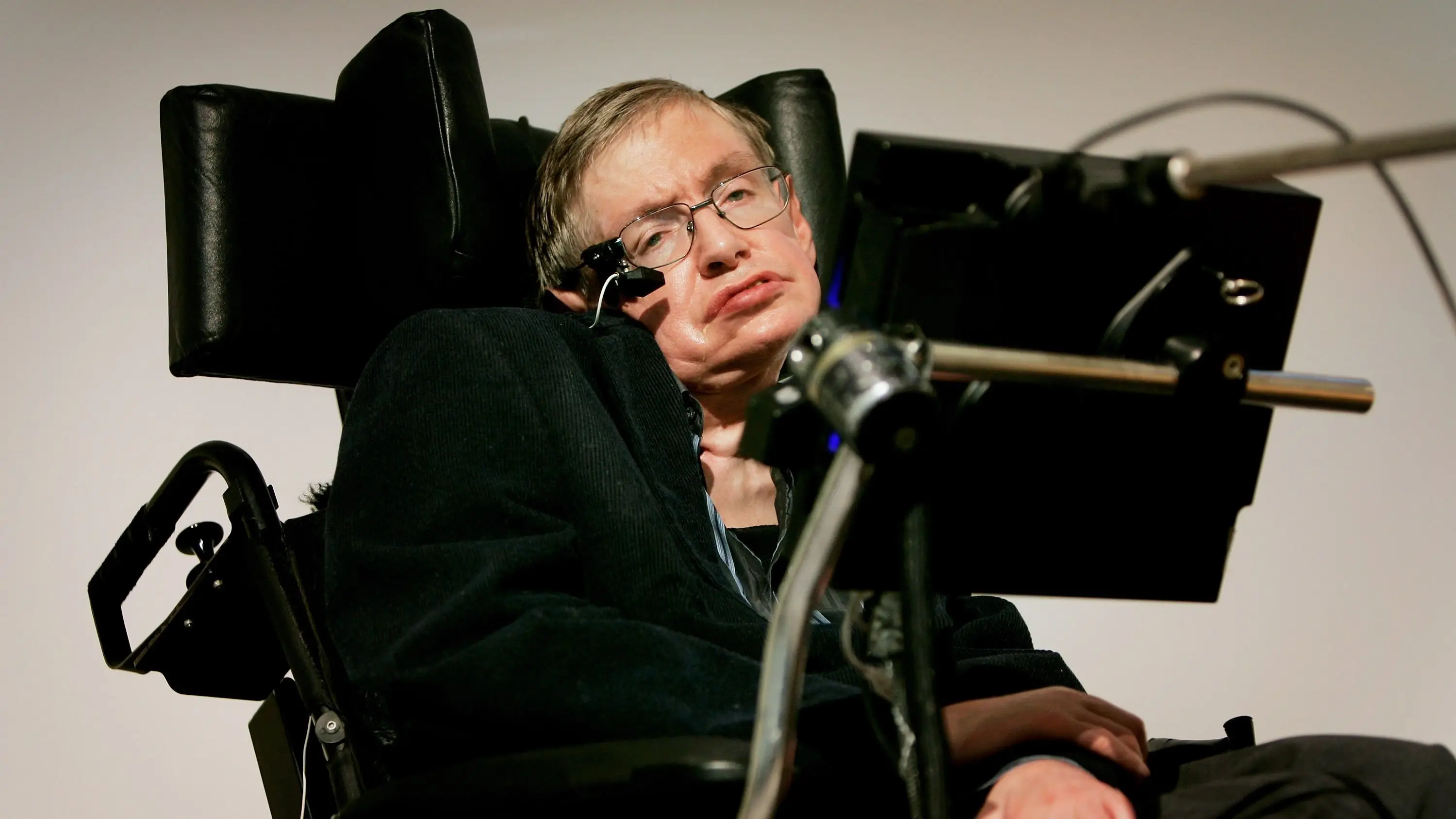
When it comes to Hawking’s ALS (Amyotrophic Lateral Sclerosis) diagnosis in 1963, at 21 years old, experts think the cure could be found in space.
Advert
ALS is an incurable motor neurone disease (MND) which impacts a person and their ability to move, swallow and eventually breath via gradual paralysis.
While Hawking lived 55 years with the illness before his death in 2018, many people will only live months to a couple of years with the condition if it rapidly advances.
Right now, there is no cure, but there are some things and pain management that can be used to slow its progression in patients.
But according to Professor Alysson Muotri, from the University of California, who is going to deliver the Stephen Hawking Memorial Lecture at the Motor Neurone Disease Association (MNDA) annual symposium in San Diego next month, it’s ‘very likely’ a cure for the disease could be found thanks to space.
Why space could be the key to curing motor neurone disease
The problem with studying motor neurone disease on Earth is that scientists lack the relevant models.
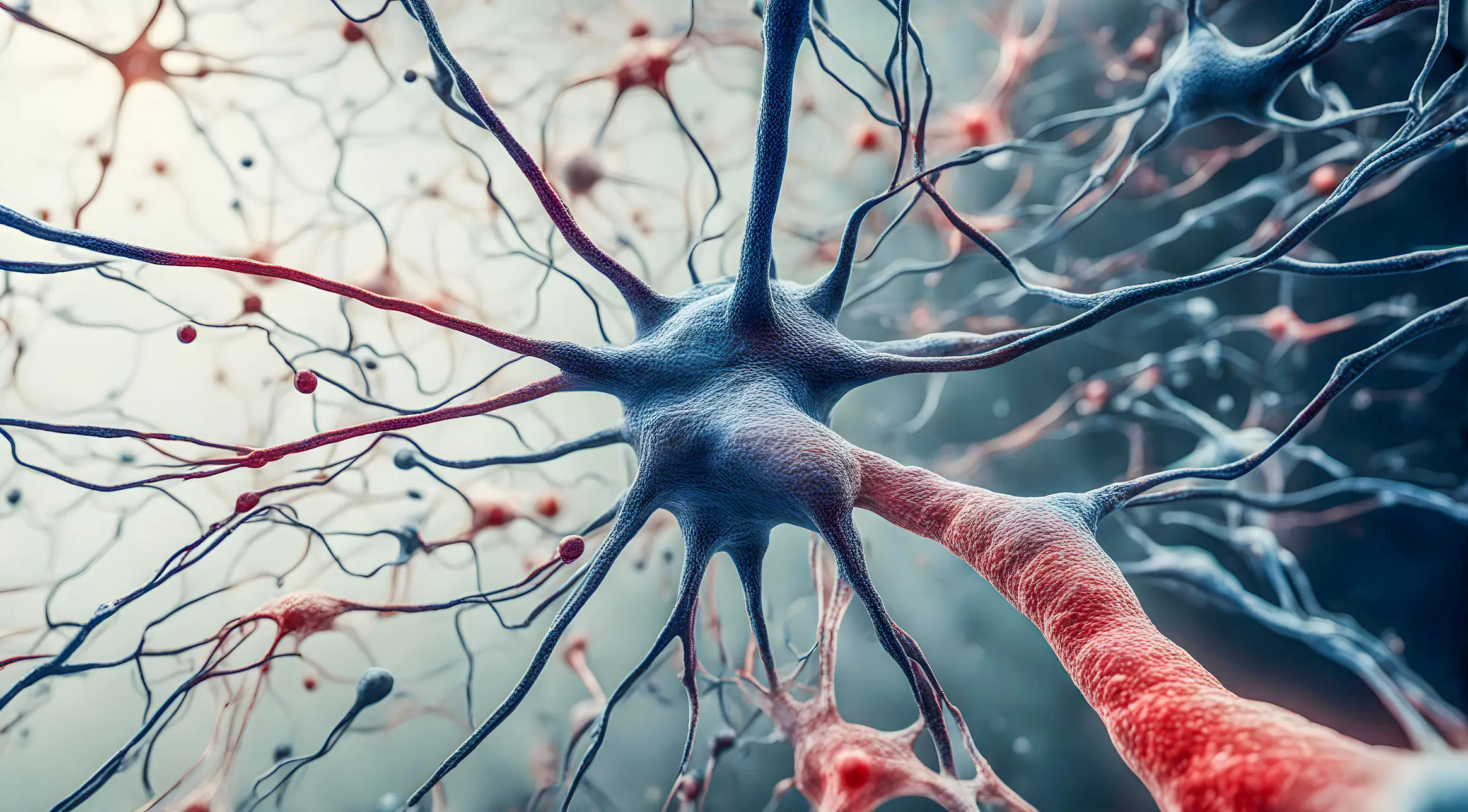
While they have already made a major breakthrough by creating organoids - mini-brains the size of a grain of sand that can be used to study the way neurons work - they're lacking one key ingredient: time.
Since MND is a degenerative disease that gets worse as patients age, researchers needed to find a way to replicate the gradual damage to nerve cells at speed.
And they now reckon the way space radiation and the lack of gravity causes cells to rapidly age could be the key to a major breakthrough.
“Space can accelerate the senescence of human brain cells, compressing the research time into practical terms,” Muotri told the Telegraph.
“Right now, we do not have an age-relevant human model for MND and this strategy can likely help.”
Professor Clive Svendsen, executive director of the Regenerative Medicine Institute at Cedars-Sinai Hospital in the US, is leading the efforts to grow mini brains in space to find a cure for ALS.
He said: “In the last four or five years I have got involved with SpaceX and some companies that are sending cells to the ISS.
“The idea was that if we grew them in with microgravity they would automatically form better cultures.
“We're now testing those on Earth. We brought them back to see if there's any long-term effects of manufacturing in space.”
“There's a yin and yang in space,” Svendsen added. “The yin is that maybe we can manufacture cells better and the mission we have now - we have cells on the space station right now and are waiting for astronauts to go up - is what happens when you try and make brain tissue when you are not constrained by gravity.
"But the yang is that astronauts have all sorts of weird side effects from microgravity which is basically premature aging, like their bones becoming more brittle."
While not great for the astronauts, it's this premature aging effect that may finally hold the key to curing motor neurone disease.
 Britt Jones