unilad homepage
  • News
  • Film and TV
  • Music
  • Tech
  • Features
  • Celebrity
  • Politics
  • Weird
  • Community
  • Advertise
  • Terms
  • Privacy & Cookies
  • LADbible Group
  • LADbible
  • SPORTbible
  • GAMINGbible
  • Tyla
  • UNILAD Tech
  • FOODbible
  • License Our Content
  • About Us & Contact
  • Jobs
  • Latest
  • Topics A-Z
  • Authors
Facebook
Instagram
X
Threads
TikTok
YouTube
Submit Your Content
Rare ‘super blue moon’ visible tonight in event that won’t be seen for at least another decade

Home> Technology> Space

Updated 10:43 19 Aug 2024 GMT+1Published 10:44 19 Aug 2024 GMT+1

Rare ‘super blue moon’ visible tonight in event that won’t be seen for at least another decade

You don't need any special equipment to observe the rare event in all its glory

Emily Brown

Emily Brown

google discoverFollow us on Google Discover
Featured Image Credit: Getty/Sanja Baljkas/Getty/Gary Hershorn

Topics: NASA, Science, Space

Emily Brown
Emily Brown

Emily Brown is UNILAD Editorial Lead at LADbible Group. She first began delivering news when she was just 11 years old - with a paper route - before graduating with a BA Hons in English Language in the Media from Lancaster University. Emily joined UNILAD in 2018 to cover breaking news, trending stories and longer form features. She went on to become Community Desk Lead, commissioning and writing human interest stories from across the globe, before moving to the role of Editorial Lead. Emily now works alongside the UNILAD Editor to ensure the page delivers accurate, interesting and high quality content.

Advert

Advert

Advert

The standard 'Blue Moon' might have provided inspiration for a song, but this month space is taking things to the next level with a rare 'super blue moon'.

Sounds pretty cool, right? Well it is, but I should warn you now that the moon isn't actually going to be blue.

Instead, this moon gets its name due to the rare alignments of three events: a full moon, blue moon, and a super moon.

The full moon

We're all familiar with the regular full moon - they happen once a month, when Earth falls in the middle of the sun and the moon and we're able to see that round wheel of cheese shining brightly in all of its glory.

Advert

So while full moons can be pretty, they're not quite as exciting as the other two events.

The blue moon

If you've ever heard the phrase 'once in a blue moon', you'll know that this second event is pretty rare.

Again, it's not a night when the moon turns blue, but instead occurs when one of two things happen.

The first is that two full moons occur in one month due to the moon's 29.5 day cycle being slightly less than our average month. This type of blue moon falls roughly every two to three years.

The second, and the one relevant to this month's event is a seasonal blue moon, when a calendar season contains four full moons instead of three.
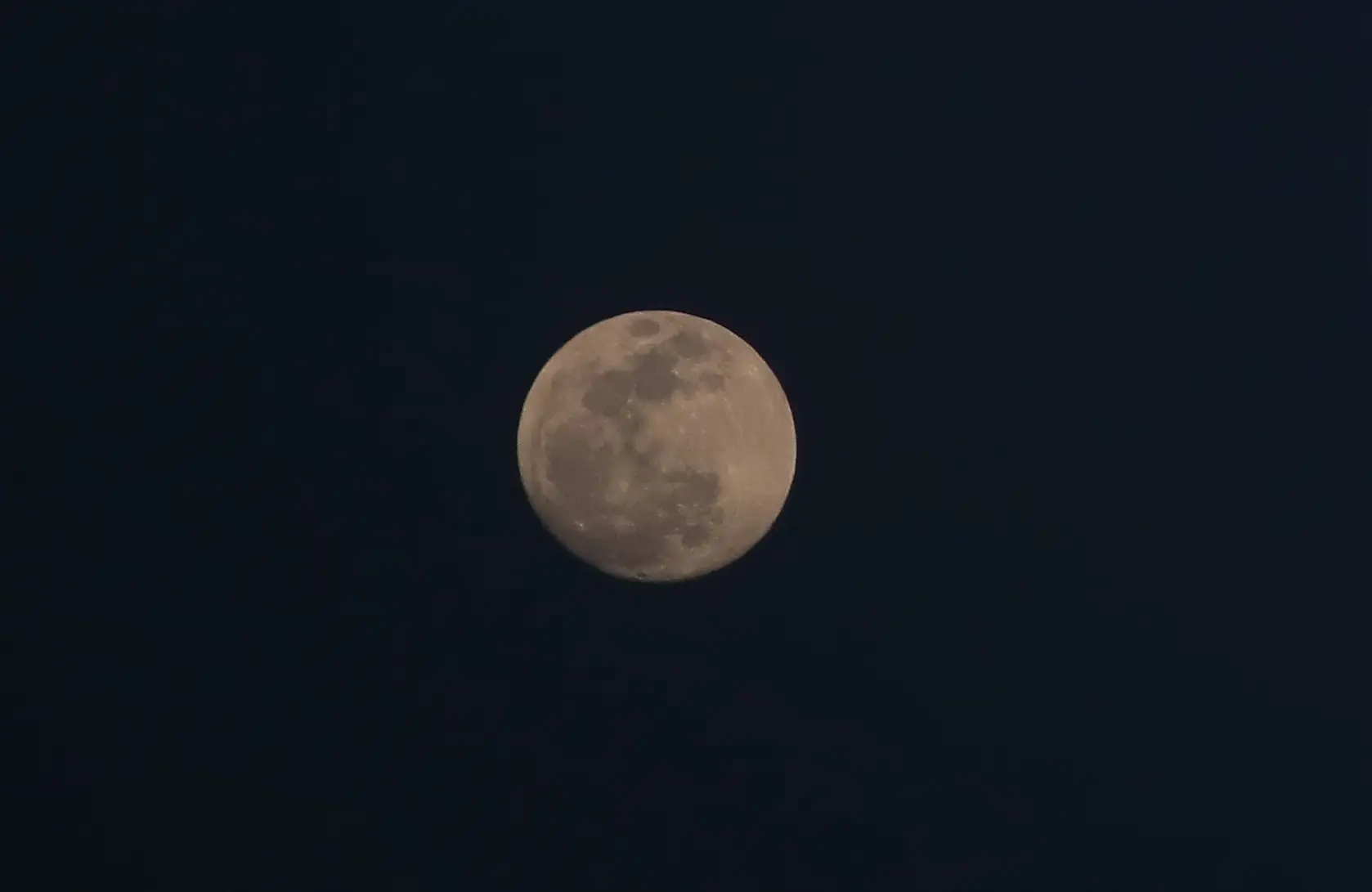
The super blue moon will be visible for three days. (Ahmed Mosaad/NurPhoto via Getty Images)

The super moon

Finally, we have the added element of the super moon - a term which refers to part of the moon's orbit when it comes slightly closer to the Earth, making it look more dazzling than usual.

The super moon occurs about three or four times a year, and can make the moon appear about 14 percent bigger and 30 percent brighter than when it's at its greatest distance from Earth.

How to see the super blue moon

If you've been particularly perceptive over the last few hours you actually might have spotted the super blue moon already, as it first made its appearance on Sunday morning (August 18)

Sure, it might have been nice if the rare sight had made its full appearance at the weekend so stargazers could really make the most out of observations, but instead it will peak this afternoon (August 19), at 2:26pm EDT.
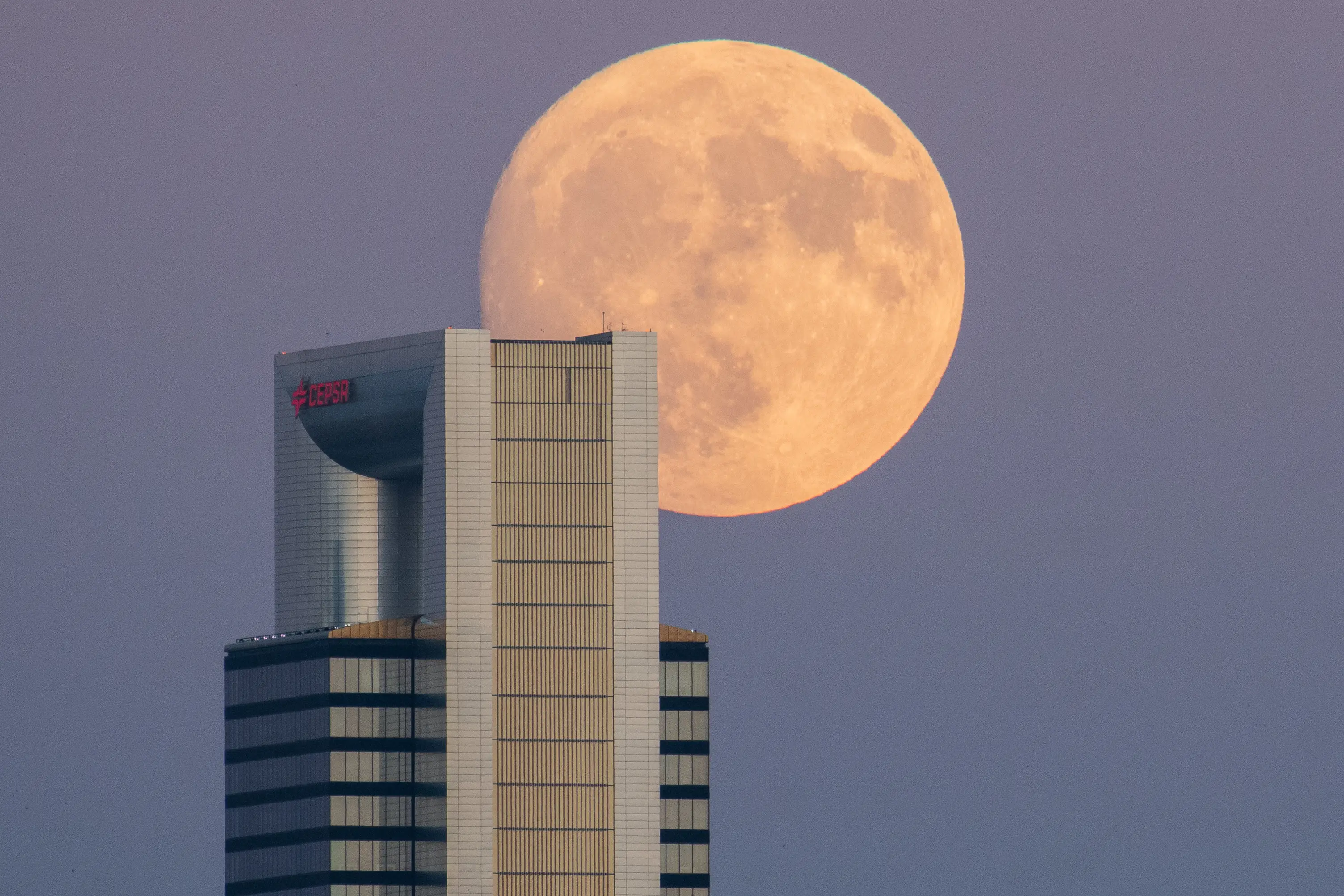
The super blue moon appears bigger and brighter. (Marcos del Mazo/LightRocket via Getty Images)

The good news is, the super blue moon is visible for a total of three days until Wednesday morning, giving astronomy enthusiasts chance to make the most of its appearance.

You don't need any special equipment to see the moon thanks to its larger and brighter appearance - though visibility will be better with clear skies.

It's definitely not one to miss, as it can be as long as 20 years between meetings of a super moon and a blue moon.

The wait is slightly less this time, but NASA has still predicted that the next super blue moon won't occur until January 2037.

Who knows what you'll be doing by then, so be sure not to miss out!

Choose your content:

18 hours ago
3 days ago
5 days ago
  • U-Boat Worx
    18 hours ago

    Scientists design world’s fastest ‘underwater supercar’ with unbelievable price tag

    The cost of exploring the ocean's depths in a private submarine have changed massively in recent years

    Technology
  • Jakub Porzycki/NurPhoto via Getty Images
    3 days ago

    All of the iOS 26.4 new features that iPhone users need to know about

    Apple's latest operating system is rolling out a bunch of new features that will improve everything from typing to podcasts

    Technology
  • Amazon MGM Studios
    5 days ago

    Scientist reveals major flaws in Ryan Gosling space film Project Hail Mary and one thing it gets right

    An astrophysicist didn't hash her words as she mentioned one flaw that would leave Gosling's character with 'brain damage'

    Technology
  • Getty Stock Image
    5 days ago

    Scientists discover 'impossible' atmosphere on ancient planet where a year only lasts 10 hours

    Carnegie scientists used NASA's James Webb Space Telescope to scope out the old planet

    Technology
  • How to see rare planetary parade that will be visible this weekend
  • Space phenomena to watch out for this month after rare Blood Moon
  • How to see rare pink ‘micromoon’ that will be visible this weekend
  • The truth behind Earth’s newly discovered ‘second moon’ and why it won’t be here for long