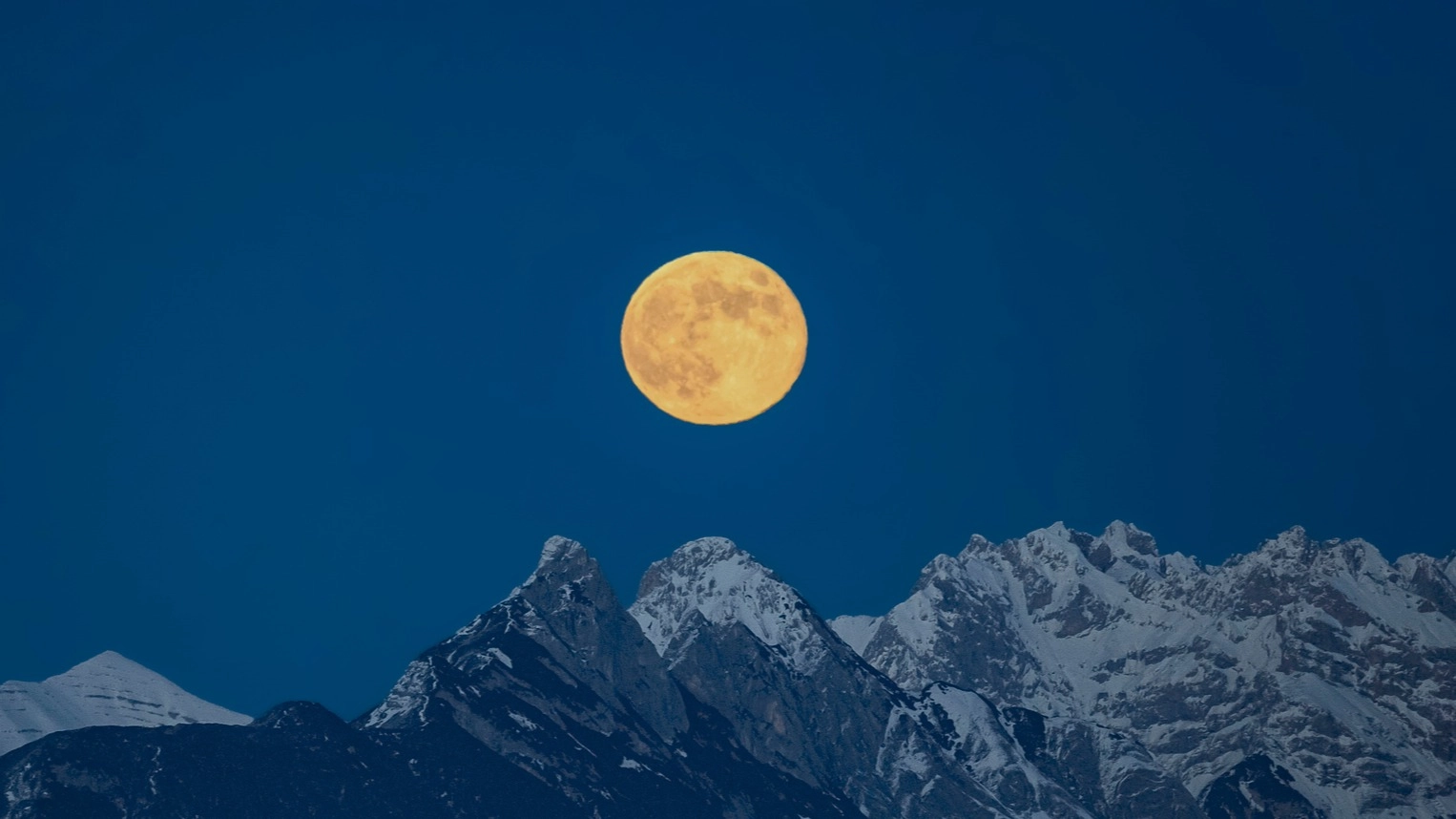
Cold Moon explained as you only have hours left to catch the last full Moon of 2025

The final full Moon of the year will light up the sky across the US tonight (December 4).
Shorter days, colder weather and longer, darker nights are the key signs of the New Year approaching - if you're in the Northern hemisphere, that is.
The last full Moon of 2025, dubbed the 'Cold Moon', is yet another signal of the relentless passage of time.
Stargazers can catch the supermoon as it reaches its full phase at exactly 8.13pm EST.
Advert
It's actually the third consecutive supermoon of the year, which is rather unusual.
Supermoons can appear up to eight percent larger and around 15 percent brighter because they occur when the Moon reaches the closest point to Earth in its orbit.
The Cold Moon follows November's Beaver Moon and October's Hunter's Moon, and will be followed by January's Wolf Moon - yet another supermoon.
What is a Cold Moon?
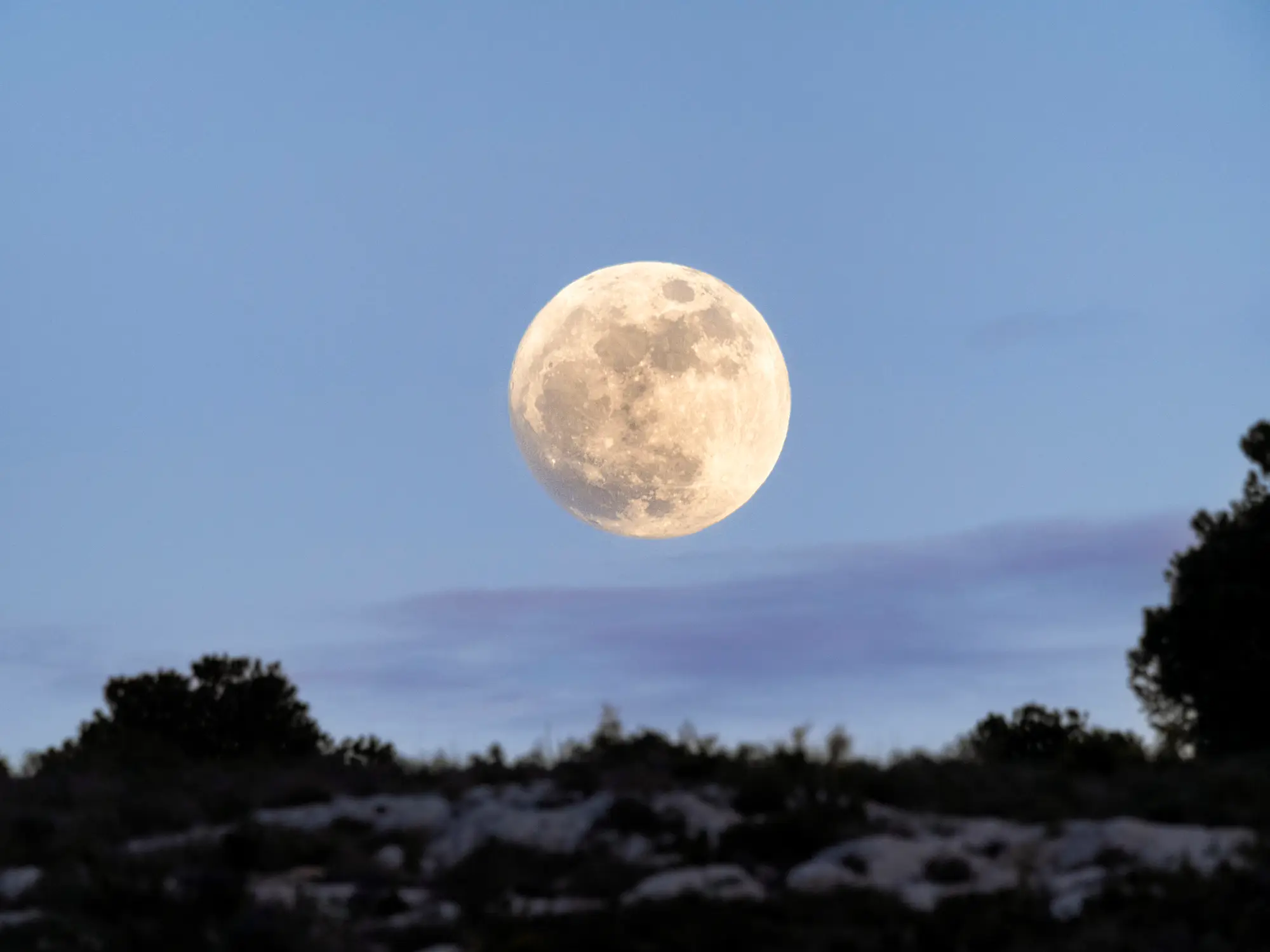
Each full Moon is given a name by the Old Farmer’s Almanac to help track the seasons.
These are based on Native American, Colonial American and European traditions.
December’s full Moon is referred to as the Cold Moon to reflect the season of winter and its plummeting temperatures.
It is also known as the 'Long Night Moon' because it rises during the longest nights of the year, near the winter solstice, and remains above the horizon for an extended period, the Almanac explains.
Other traditional names include the 'Drift Clearing Moon', the 'Moon before Yule' and the 'Moon When the Deer Shed Their Antlers'.
What's special about tonight's Cold Moon?
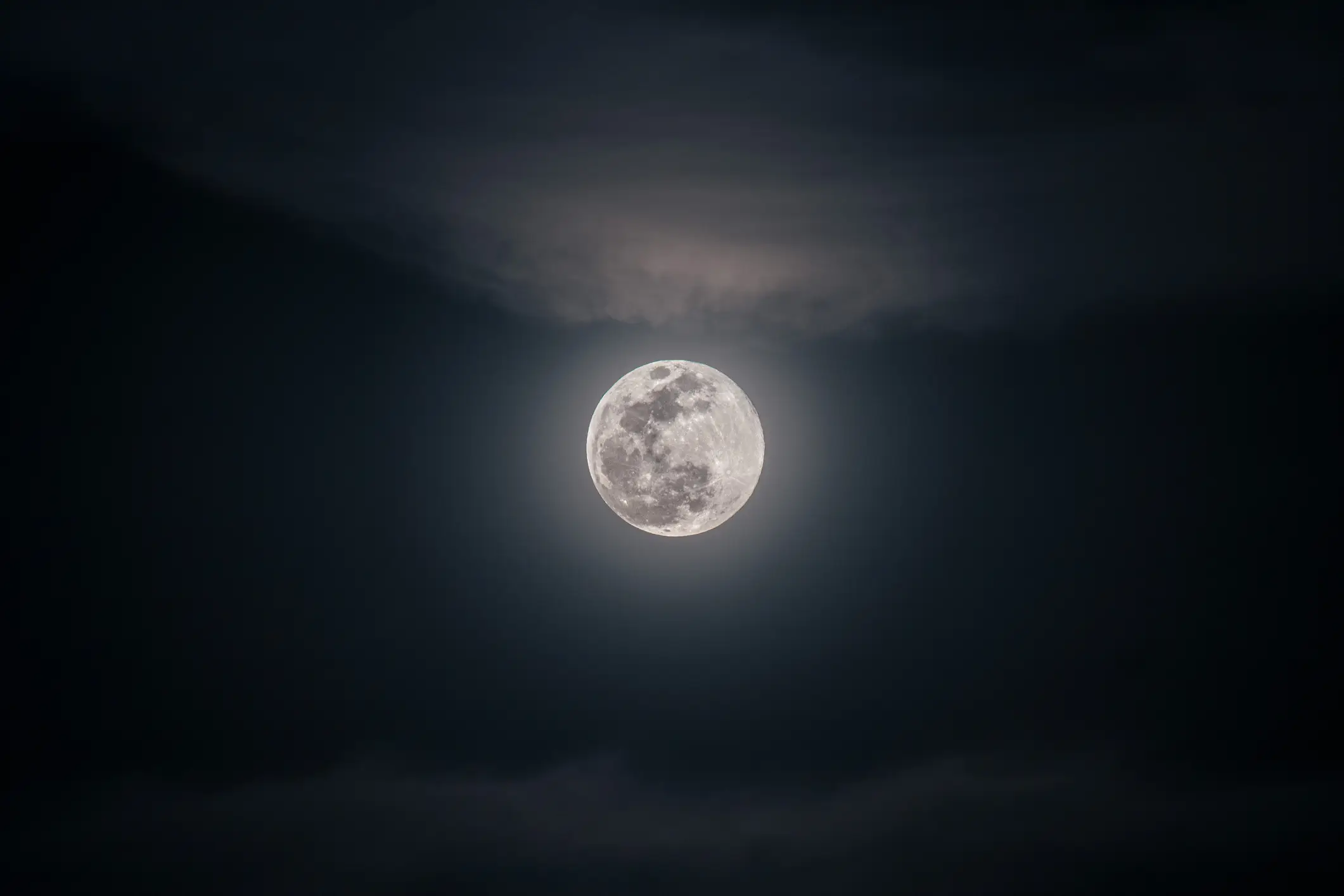
As Space.com explains, stargazers are going to be in for a treat with tonight's supermoon - for multiple reasons.
Not only will it appear larger and brighter than the average full Moon, but the Cold Moon may look slightly orange or yellow.
This is because of an effect called Rayleigh scattering - the same phenomenon that makes the sky look blue and sunsets appear red.
As moonlight travels through Earth’s atmosphere, the air molecules scatter shorter wavelengths of light - like blue and violet - far more efficiently than longer wavelengths - like red and orange. That means when the Moon is low on the horizon, its light has to pass through much more of the atmosphere.
Along the way, the shorter wavelengths get scattered out, leaving mostly the warmer tones to reach our eyes.
This makes the Moon appear more yellow, orange or even red, depending on conditions.
Tonight's Cold Moon will also appear higher in the sky than usual because of the way the Sun's path changes as we head towards the Winter Solstice on December 21.
 Ellie Kemp