The little known scientist who saved billions but killed millions

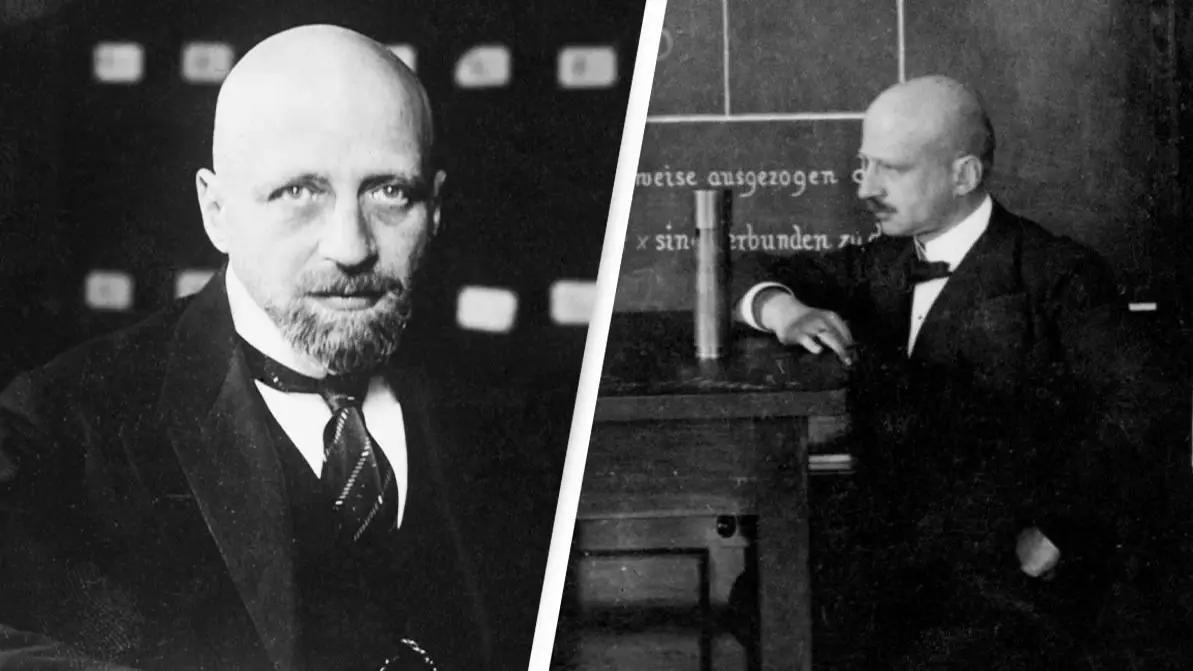
One little-known scientist might have saved billions of people’s lives, but he also killed millions.
You might be pretty familiar with the likes of Albert Einstein, Louis Pasteur and Charles Darwin are well known around the globe today, but unless you’re a bit of a science wiz, it’s less likely you’ll be familiar with Fritz Haber.
The German chemist is responsible for one of the most revolutionary creations in the history of agriculture.
Advert
Oh, and also one of the most destructive weapons the world has seen.
His story kicks off with the invention of a process that helps feed billions of people around the world to this very day.
Born in Poland back in 1868, Haber was fixated with the idea of solving the world's food shortages considering the growth of the population.
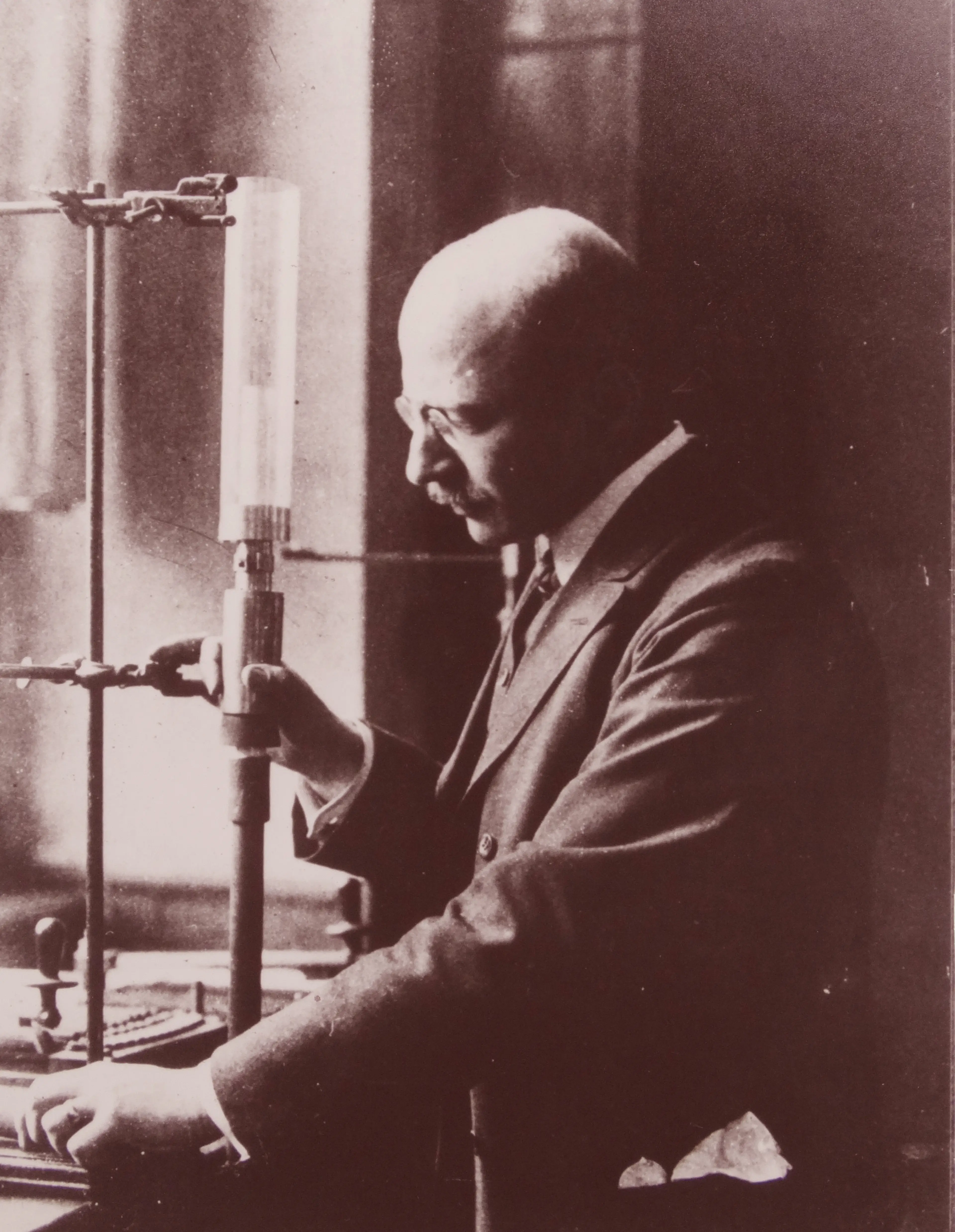
After becoming a professor of physical chemistry and electrochemistry at the Karlsruhe Institute of Technology, he began working on a process which would convert nitrogen gas in the Earth's atmosphere into a compound that could be used in fertiliser.
This became known as the Haber–Bosch process of synthesizing and manufacturing ammonia from nitrogen and hydrogen (and later industrialized by Carl Bosch, Haber’s brother-in-law).
According to a global agricultural historian, the process was 'likely the most important technological innovation of the 20th century', as it 'sustains the food base for the equivalent of half the world’s population today', as reported by Smithsonian Magazine.
Haber's revolutionary discovery, while world changing, would soon be undermined by his loyalty to his country. As a staunch German patriot, in contrast to his close friend Albert Einstein, Haber had no reservations whatsoever when asked to assist the German Army in their development of explosive shells and poisonous gases.
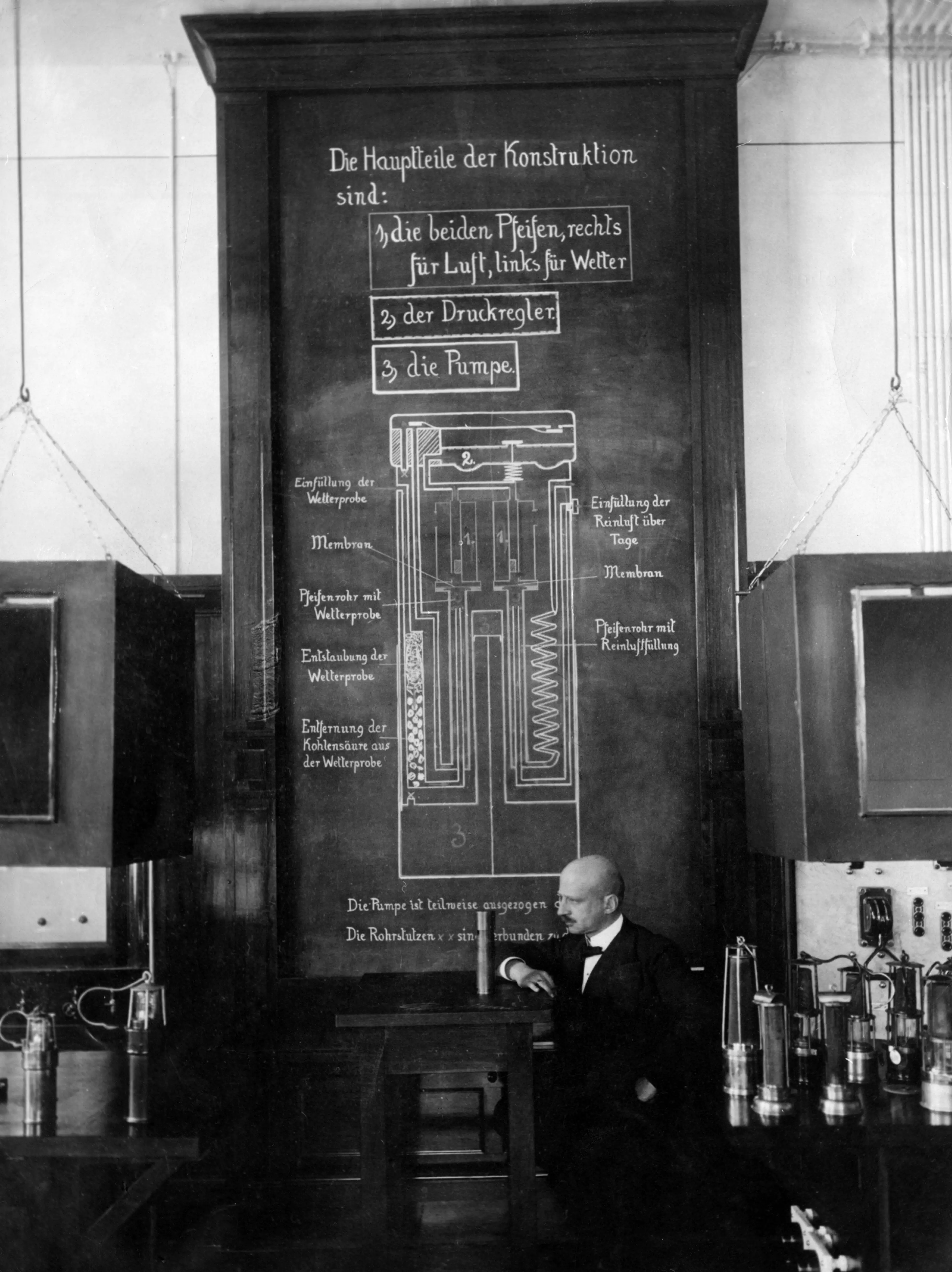
A year after WW1 broke out in 1914, the scientist became a consultant to the German War Office, where he'd first begin experimenting with chlorine gasses for potential use on the battlefield.
Use of such poison gasses was strictly prohibited by the Hague Convention, but with heavy German losses against the British and French forces, Haber became increasingly willing to use such weaponry on the front lines.
But he had a difficult time finding any German army commanders who would agree even to a test in the field, with one general even calling the use of poison gas 'unchivalrous'.
According to biographer Margit Szollosi-Janze, “[Haber] said if you want to win the war, then please, wage chemical warfare with conviction.”
Sadly, he and the German Army would do exactly that over the coming years. By 1915, Haber was on the frontline himself, deducing ways of accurately deploying the lethal gas attacks that would spare the German troops - while still killing as many enemy combatants as possible.
In the end, he calculated that strong winds would be enough to carry the chlorine gas away from the German line - and in April of that year, more than 168 tons of chlorine gas from nearly 6000 canisters would be released.
The cloud settled over some 10,000 troops. More than half were believed to have died by asphyxiation within minutes.
In the confusion, initial reports said the Germans were launching 'chloride bombs' that were 'thrown by means of a hand sling, such as boys use for throwing stones'.
The Washington Post reported that British and French troops were 'crazed by gas bombs', and that those who survived 'fought like demons', but to no avail.
A year after Germany's defeat in the Great War, Haber was honoured with a polarizing Nobel Prize Award.
Some eminent peers and previous winners refused to show up, out of protest over the German's involvement in the war effort. Millions would die as a result of his chlorine gas breakthrough, while billions more were arguably saved by his Haber-Bosch ammonia process.
For all the good that it continues to do in the modern world, he is still regarded as the 'father of chemical warfare' by many, and as such, his legacy today is far from straight forward.
Topics: Science, World News
 Jess Battison