• News
  • Film and TV
  • Music
  • Tech
  • Features
  • Celebrity
  • Politics
  • Weird
  • Community
  • Advertise
  • Terms
  • Privacy & Cookies
  • LADbible Group
  • LADbible
  • SPORTbible
  • GAMINGbible
  • Tyla
  • UNILAD Tech
  • FOODbible
  • License Our Content
  • About Us & Contact
  • Jobs
  • Latest
  • Topics A-Z
  • Authors
Facebook
Instagram
X
Threads
TikTok
YouTube
Submit Your Content
Scientists clone two endangered animals using frozen genes in process that could save other species from extinction

Home> Technology> News

Published 18:56 18 Apr 2024 GMT+1

Scientists clone two endangered animals using frozen genes in process that could save other species from extinction

Scientists in the US were able to successfully clone the species, and hope this could help save the species from extinction

Kit Roberts

Kit Roberts

Scientists in the US have successfully cloned an animals which is in danger of going extinct.

The species has dwindled to just 300 individuals in the wild and the cloning was achieved using DNA that had been stored since the 1980s.

Now, two individuals in the species have been successfully cloned and scientists are hoping that they can use them to help repopulate.

Advert

The process of cloning is similar to that used to clone Dolly the Sheep back in 1996, and is called somatic cell cloning.

But how does this process work?

Scientists remove DNA tissue from a donor cell, and then replace the DNA which already exists in an egg cell.

Once this is accomplished the scientists implant that egg cell into a surrogate animal from the same species.

The egg then gestates as normal, and when the surrogate gives birth then the cloned animal is genetically identical to the animal it was cloned from.

But what is the endangered animal that the scientists have managed to clone?
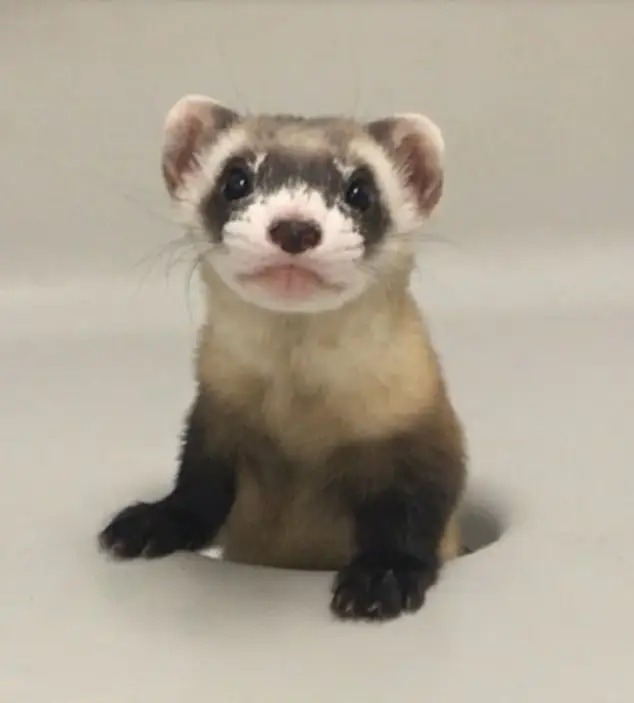
Elizabeth Ann the black-footed ferret. (USFWS National Black-footed Ferret Conservation Center)

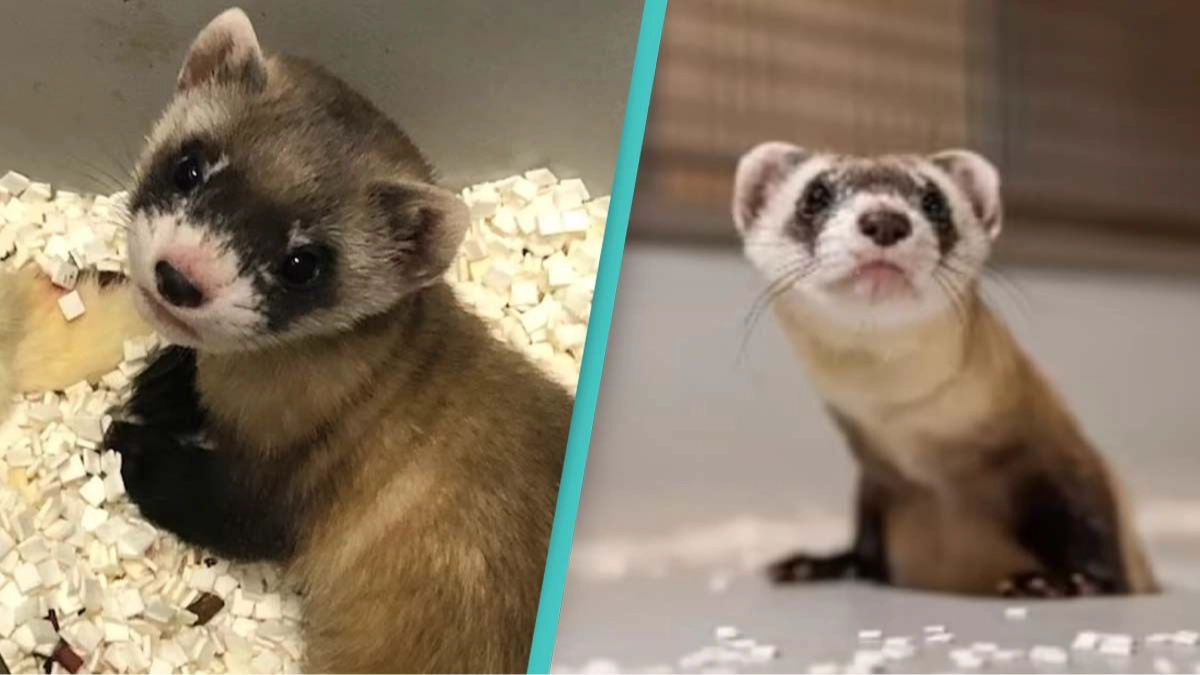
Meet the black-footed ferret.

Native to the US, it might look like the most adorable and cute animal going, but don't be fooled.

Behind that angelic, fluffy little face and the little tufty ears is a ruthless hunter, which sneaks into the burrows of prairie dogs and kills them in their sleep.

But just look at that face though... definitely no razor sharp teeth in there.

Two black-footed ferrets have now been born from cloning, and have been called Noreen and Antonia.

Noreen and Antonia were bred out of tissue samples, which had been frozen since 1988, from a black-footed ferret named Willa.

The fact that the samples are from more than 30 years ago is actually a crucial factor in why they were chosen.

One of the biggest challenges with very small populations of animals is a lack of genetic diversity.
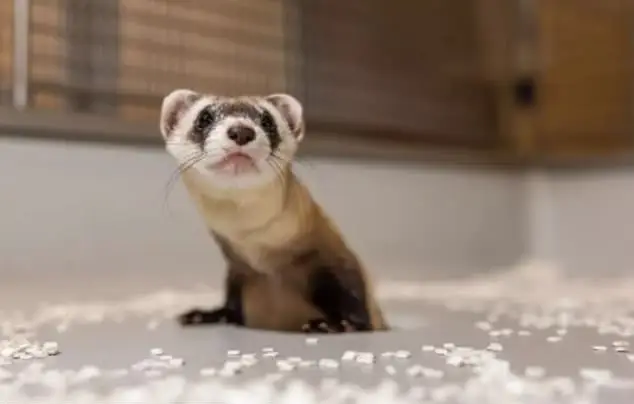
Antonia the black-footed ferret. (Smithsonian Conservation Biology Institute)

The cell samples from the 1980s contain a lot more genetic mutations than those belonging to ferrets now.

So, reintroducing these genes could help to keep the population healthy by making the genetic pool more varied.

Dr. Marty Kardos, a geneticist at NOAA's Northwest Fisheries Science Center, told MailOnline: "With only seven genetic founders, the genetic diversity of the black-footed ferret has been a concern in the captive breeding program.

"Small population size and low genetic diversity are problematic. These conditions make populations more vulnerable to extinction."

For the time being, the ferrets will be kept in captivity so that scientists can observe long term effects of cloning.

Featured Image Credit: USFWS National Black-footed Ferret Conservation Center / Smithsonian Conservation Biology Institute

Topics: Animals, News, Science, US News, Technology

Kit Roberts
Kit Roberts

Kit joined UNILAD in 2023 as a community journalist. They have previously worked for StokeonTrentLive, the Daily Mirror, and the Daily Star.

Advert

Advert

Advert

Choose your content:

2 days ago
5 days ago
6 days ago
  • Getty Stock Images
    2 days ago

    NASA responds to wild theory Earth will lose gravity on August 12 for seven seconds after social media frenzy

    NASA has set the record straight on the wild internet theory

    Technology
  • Justin Sullivan/Getty Images
    5 days ago

    Expert issues security warning over iPhone 4 comeback that could leave people 'vulnerable'

    People are forking out a lot for an iPhone 4

    Technology
  • SERGEI ILNITSKY/AFP via Getty Images
    6 days ago

    Ex-NASA astronaut who spent 695 days in space reveals ‘strict’ routine that's key for a successful mission

    Peggy Whitson detailed her nightly routine in space - and it's world's apart from ours at home

    Technology
  • NASA/YouTube
    6 days ago

    Incredible moment Crew-11 splashes down to Earth after ISS mission cut short by medical issue

    It was the first time in history an ISS mission was evacuated early over health concerns

    Technology
  • Scientists claim to have brought back dire wolf from extinction for the first time in 10,000 years
  • Woolly mammoths could be brought back to life as scientists make breakthrough discovery
  • Scientists reveal how many cups of coffee to drink per day that could slow the aging process
  • Scientists reveal new eye test that could predict dementia decades early