AI company responds to backlash over app to create 'digital twin' of people that can be used after they die

An AI firm behind an app branded ‘evil’ for letting people talk to dead loved ones says it ‘understands’ why people are afraid and angry.
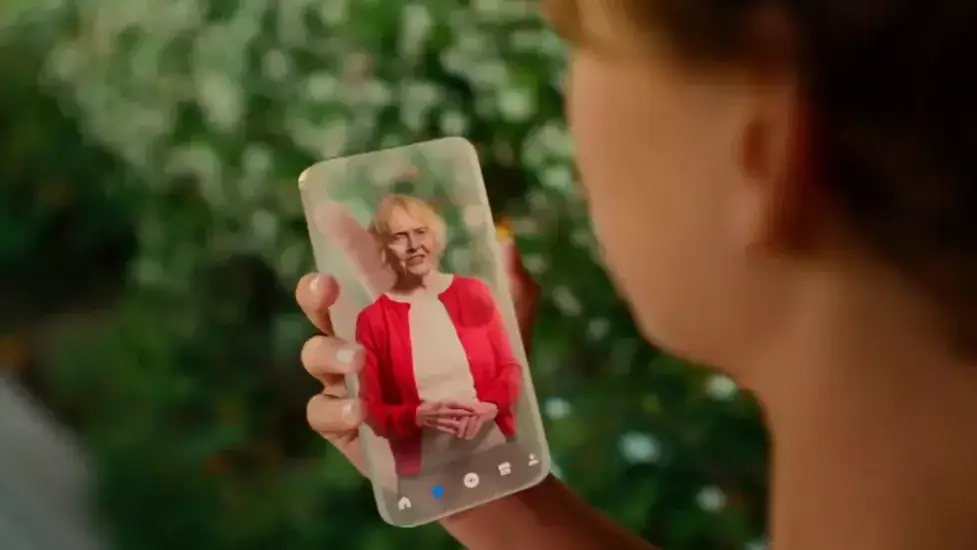
Last week, 2wai unveiled a promo video for its new avatar app of the same name as it launched on the Apple store.
It uses artificial intelligence to let users create a HoloAvatar ‘who looks and talks like you, and even shares the same memories’, as per its website.
The promo video has since gone viral online, racking up more than 40 million views on Xx at the time of writing.
Advert
The company's co-founder, former Disney star Calum Worthy - who played Dez in Austin & Ally - shared the promo video, which imagines a world where artificial intelligence keeps loved ones alive.

In the clip, an elderly woman’s digital avatar supports her daughter through pregnancy, watches her grandson grow up, and later offers him advice as he becomes a father himself, ending with the line: “With 2wai, three minutes can last forever.”
People on social media were quick to slam the app, calling it 'evil' and comparing it to an episode of Black Mirror.
Now, Alex Finden, Marketing Lead at 2wai, has responded to the backlash.
Clarifying the app's intent, Finden told UNILAD: “We are building a social network for avatars that allows living people to create digital twins of themselves.
“As seen in the video, the grandmother created her avatar before her passing. After her passing, her family would then own and control her avatar, which they could continue to connect with for generations to come.”
He added that the 2wai app only allows users to create avatars of themselves ‘in order to protect their ownership of their name, image, and likeness’.
Among the app's criticisms was the idea of people becoming reliant on a subscription model to keep ‘in touch’ with their deceased loved one's avatars.
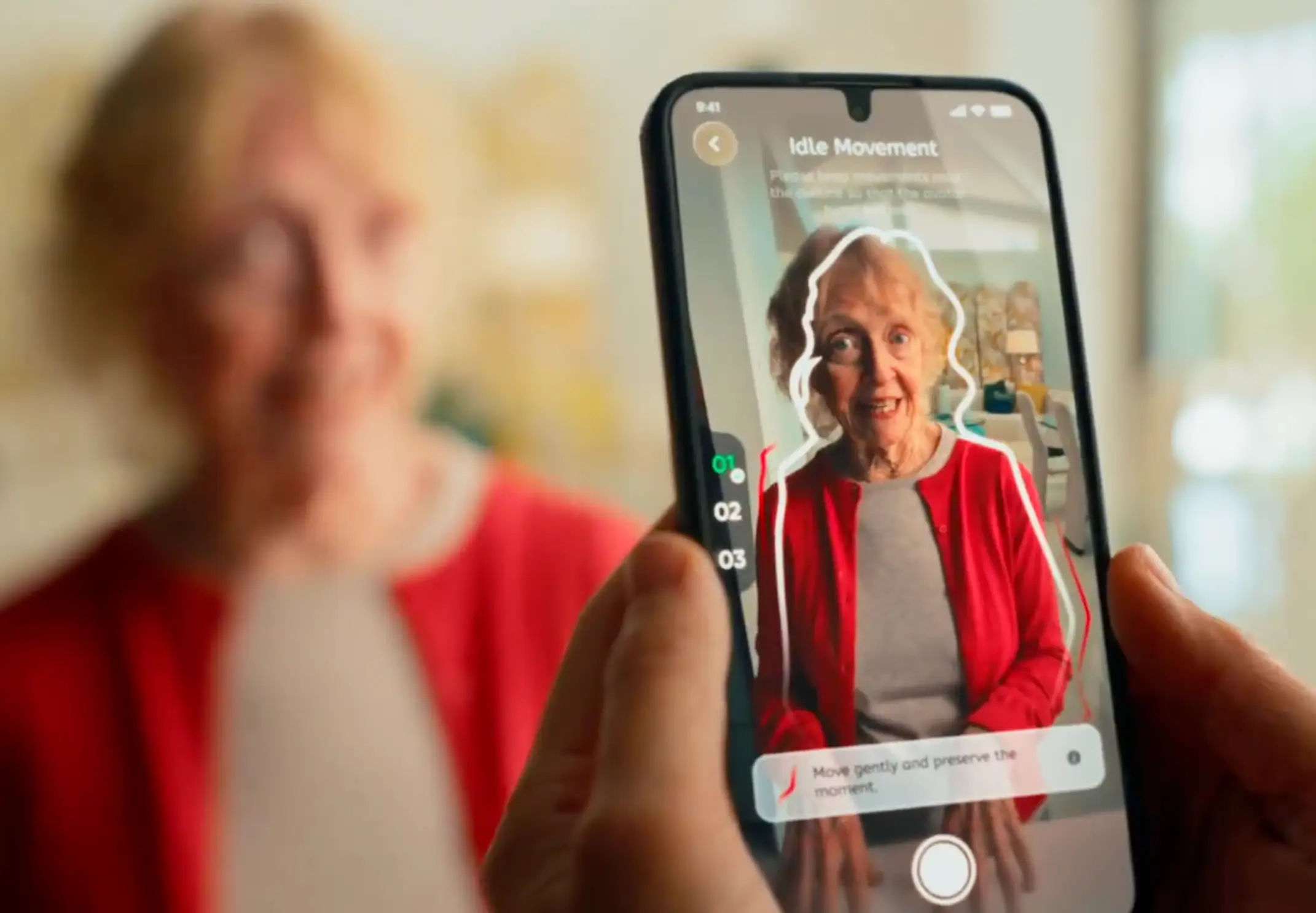
Addressing the potential possibility, Finden explained that the 2wai app is entirely free to use at present.
He added: “We are still ideating on the best creator economy model of monetization, one which we hope will result in shared revenue between creators on the app and the company.”
On the backlash as a whole, Finden said: “All considered, we are grateful that so many people took the time to express their opinions about this emerging technology.”
“It is understandable that people are afraid, and even angry,” he added. “We were similarly inspired by the same fear and have created 2wai to help mitigate the risks of AI digital twins.”
He concluded that 2wai's manifesto is to ‘set the standard’ for ethical AI avatar technology.
This is by ‘preserving your ownership of your name, image, likeness and data' and ‘giving you full control over what your avatar looks like, says and does’.
The company also enforces ‘strict rules against identity theft, imitation, and IP infringement’.
Finden added they also vow to share with creators in ‘the upside of our economic interests’ and ‘valuing authenticity, ownership, and consent above all else’.
Topics: Technology, Social Media, Artificial Intelligence, Twitter, iPhone
 Ellie Kemp