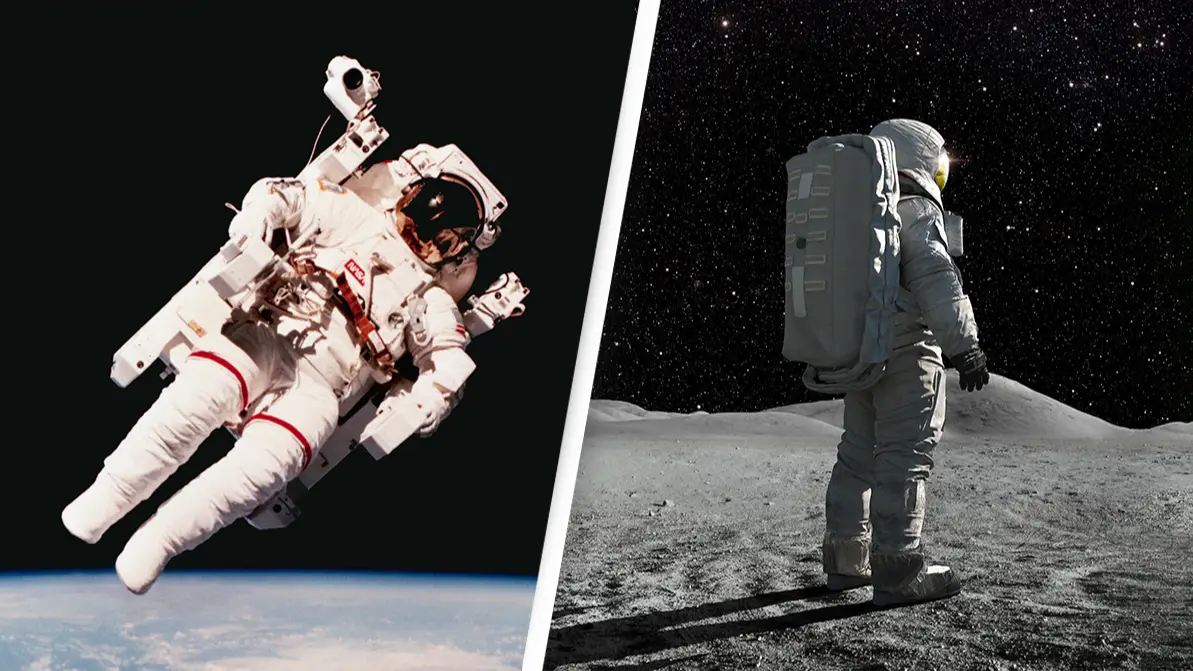
NASA explains how to become an astronaut

NASA has revealed how you can achieve your childhood dreams and become an astronaut.
If you'd forgotten to ask Santa for anything this year, then how about making a Christmas wish to become an astronaut?
Well, saying that, Saint Nick might not be able to grant it, but thankfully NASA is on hand to reveal how you can achieve your dreams of making it to space.
Advert
You know when you were a kid and used to write down on a piece of paper at school that you hoped to be a princess - but realised you'd already missed the boat to nab a date with Prince Harry - before moving on to wanting to be a vet - quickly realising you don't like needles or blood - and then deciding on becoming an astronaut?
Well, I'm not going to lie, it's not an easy road to make it as a space traveller, but it's probably more in your control than becoming a prince or princess - if you really put your mind to it that is.
And NASA has given a few little tips along the way if you have your sights set beyond Earth.
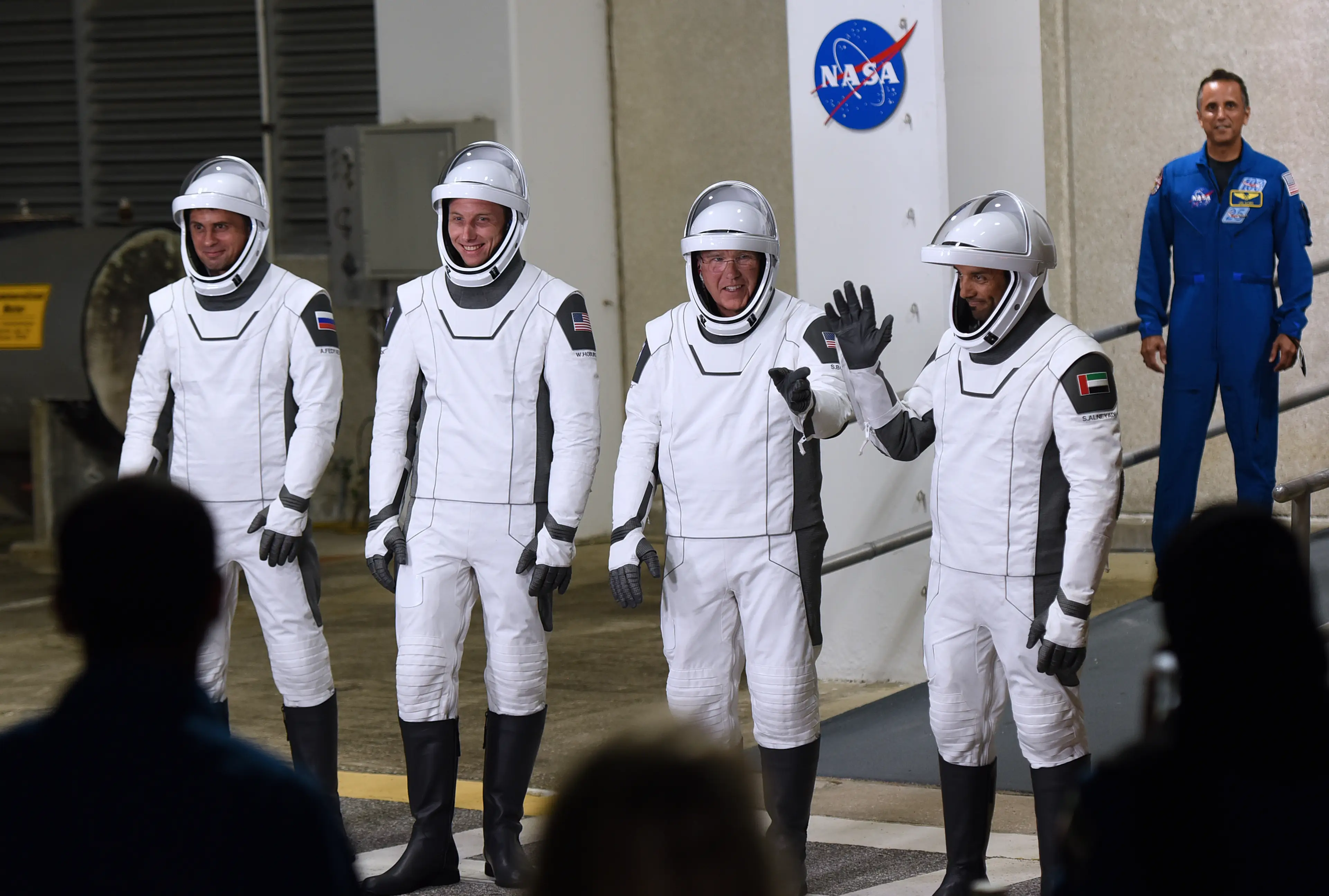
So, first things first, NASA tends to accept applications for new classes of astronauts every four years according to NASA astronaut Anne McClain - which gives you a bit of time to prepare.
First, if you want to work for NASA specifically, you have to be a US citizen and already be 'a successful professional' - with 'at least two years of related professional experience' or 'at least 1,000 pilot-in-command time on jet aircraft'.
Oh, and you need to be 'able to pass the NASA long-duration flight astronaut physical too' as well as likely have a Master's degree in a STEM field, or if not, have 'two years of work toward a doctoral program in related science, technology, engineering or math field', have completed a Doctor degree or a nationally recognised test pilot school program.
NASA Astronaut Selection Manager April Jordan also notes to IFL Science it's not just what you do solo, but working in a team which counts.
"You're training for your missions as a team, and that's your team in space and your team on the ground that you're communicating with. Team skills is something that is really high on the list for top competencies that we're looking for," Jordan notes.
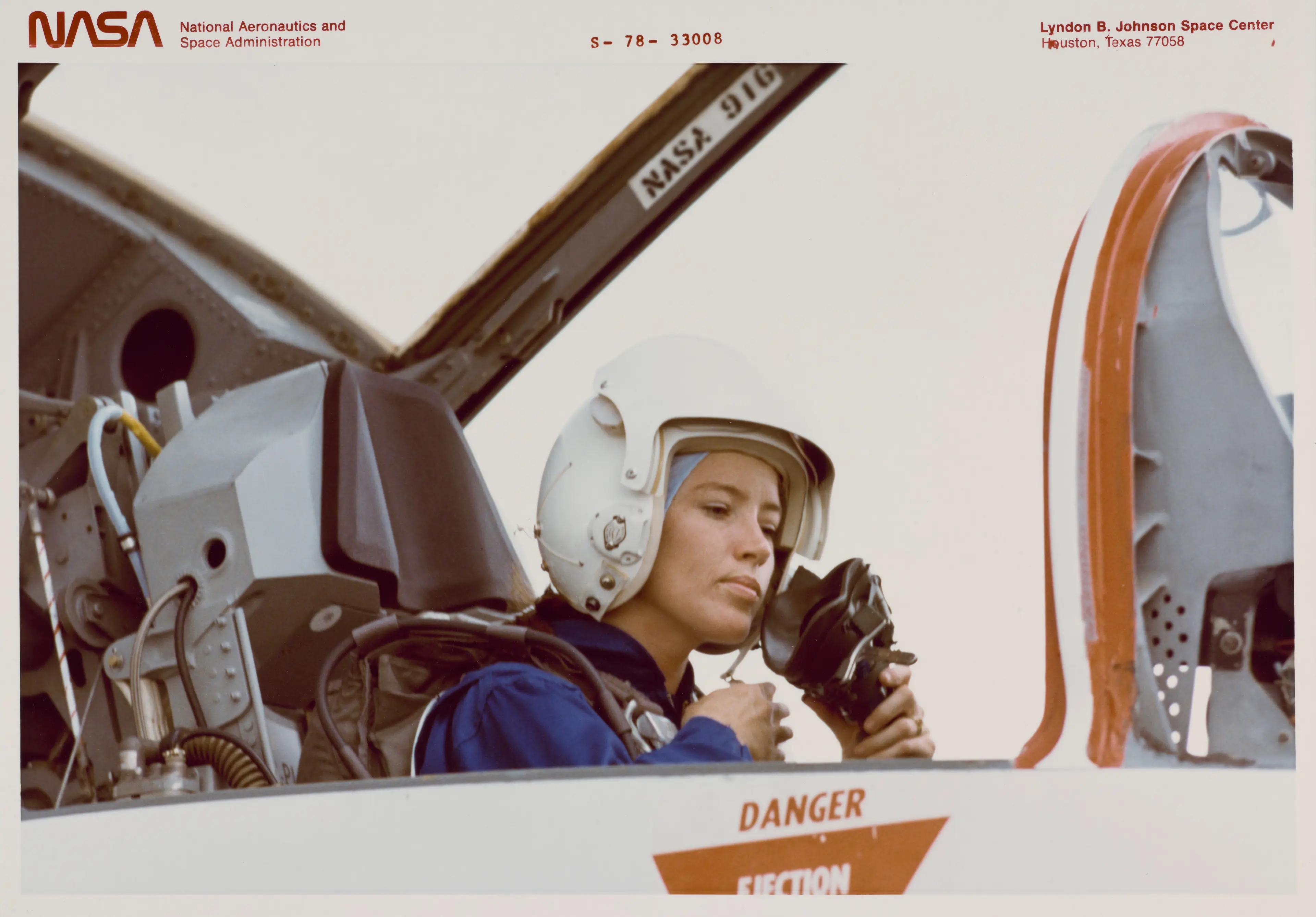
McClain warns it is still 'really hard to get selected as an astronaut'.
She says: "The 2013 class had more than 6,000 applicants and eight were selected. In 2017, more than 18,300 people applied, and 11 new astronauts just graduated from that class. The odds are in no one’s favor!
"You need to apply. And if you are not selected, apply again (and again, and again). It took most of us a few times – you need to be tenacious."
However, if you've always wanted to be an astronaut, the work may seem daunting, but McClain emphasises how worth it it can be if it pays off.
She resolves: "Do what you love doing because you love doing it. Be adaptable, trustworthy, tenacious, and detail-oriented.
"Understand this job requires sacrifice by both you and your family. And most of all, go for it. Submit your application. It is SO worth it!"
Topics: NASA, Space, US News, World News, Science
 Poppy Bilderbeck