Scientists have discovered electric field that’s as fundamental to Earth as gravity

You wouldn't think there would be many things as fundamental to Earth as gravity, but NASA's latest groundbreaking discovery could say otherwise.
Space buffs have been well and truly mind-blown after NASA announced last week (August 28) that a team of its scientists have discovered the presence of a planet-wide electric field.
The field - despite being pretty weak - is believed to be just as important to our planet as gravity and magnetic fields, so it's a pretty historic find.
The field, known as the ambipolar electric field, was first hypothesised by NASA peeps over 60 years ago. Take a look at how it works:
Advert
Using NASA's suborbital Endurance rocket, scientists wanted to explore how the planet's atmosphere evolves.
Glyn Collinson, a lead author on the study principal investigator of the Endurance mission at NASA's Goddard Space Flight Centre, offered some insight on the matter.
She explained how planets with an atmosphere 'should have an ambipolar field'.
"Now that we've finally measured it, we can begin learning how it's shaped our planet as well as others over time," she added.
Spacecraft flying over Earth’s North and South poles have detected a stream of particles flowing from our atmosphere into space since the 1960s.
The 'polar wind', as scientists dubbed it, led to a bunch of research into the study being conducted.
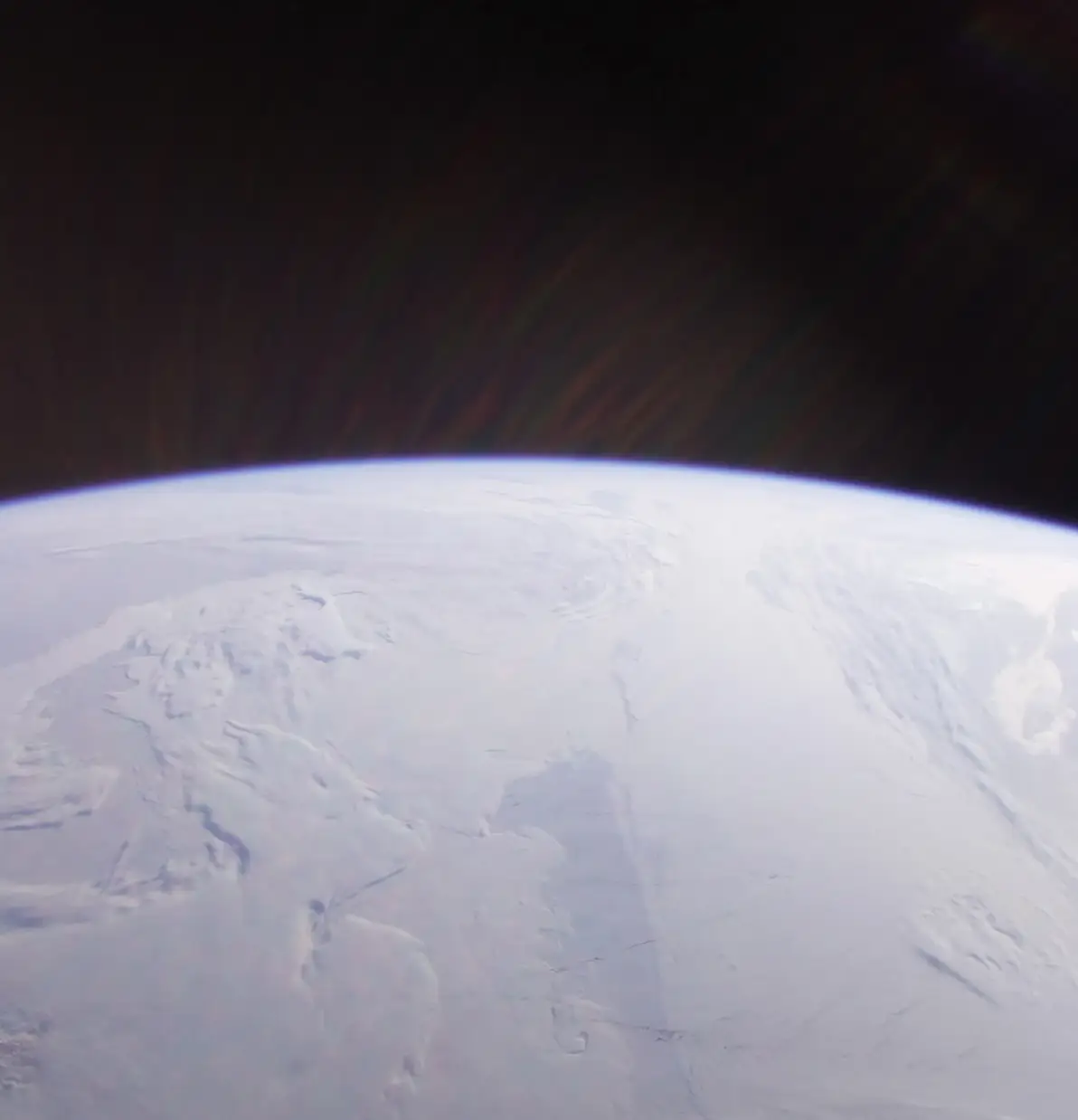
While some outflow from our atmosphere is expected, the polar wind was providing some surprising results.
Many particles within the magnetic field were cold with no signs they had ever been heated.
Nonetheless, they were traveling at supersonic speed, much to the surprise of those at NASA.
Collinson added: "Something had to be drawing these particles out of the atmosphere."
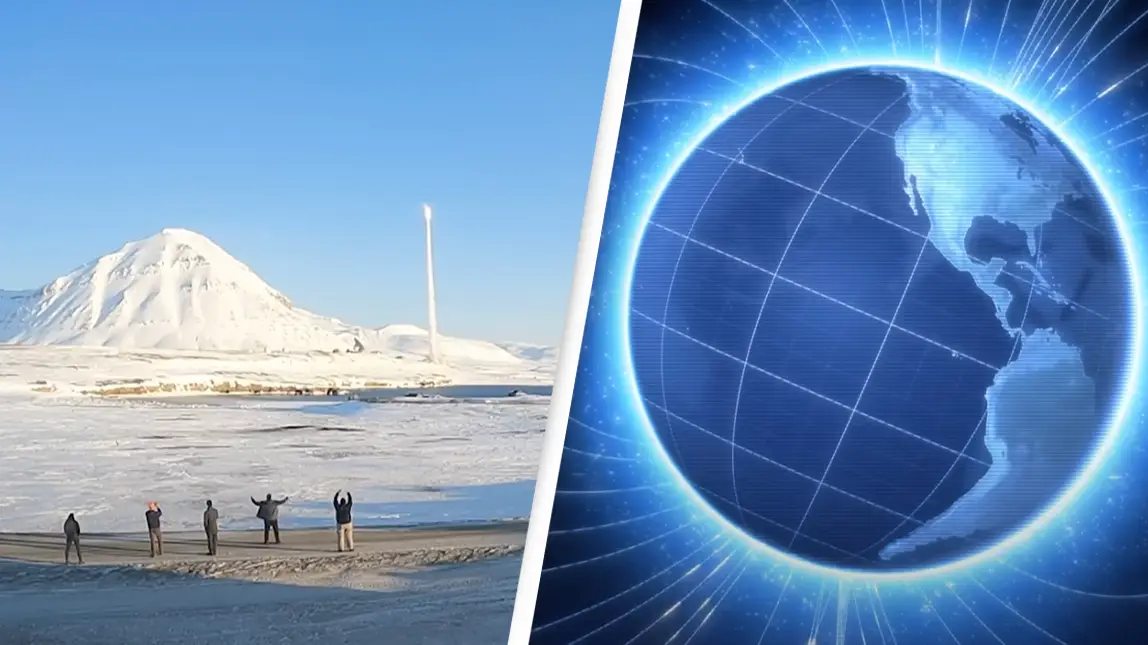
So, scientists decided to do some digging, ultimately deciding to launch the Endurance rocket from Svalbard near the North Pole.
The rocket reached an impressive altitude of 768.03 km before crashing down in the Greenland Sea just 19 minutes later.
While scientists discovered a minuscule 0.55 volt change, the voltage pushes hydrogen ions in the solar wind.
Because they are the most frequent particles in the wind, it makes the electric field 10.6 times stronger than gravity.
Endurance project scientist at NASA Goddard and co-author of the study Alex Glocer said: "That's more than enough to counter gravity — in fact, it's enough to launch [atmospheric particles] upwards into space at supersonic speeds."
Meanwhile, Collinson added: "It's like this conveyor belt, lifting the atmosphere up into space."
Scientists will continue to study the electric field to see how it impacts Earth's atmosphere.
 Callum Jones