unilad homepage
unilad homepage
  • News
    • UK News
    • US News
    • World News
    • Crime
    • Health
    • Money
    • Sport
    • Travel
  • Music
  • Technology
  • Film and TV
    • News
    • DC Comics
    • Disney
    • Marvel
    • Netflix
  • Celebrity
  • Politics
  • Advertise
  • Terms
  • Privacy & Cookies
  • LADbible Group
  • LADbible
  • SPORTbible
  • GAMINGbible
  • Tyla
  • UNILAD Tech
  • FOODbible
  • License Our Content
  • About Us & Contact
  • Jobs
  • Latest
  • Archive
  • Topics A-Z
  • Authors
Facebook
Instagram
X
Threads
TikTok
YouTube
Submit Your Content
Scientists drilled into continent that's been missing for 375 years to see what happened to it
Home>News>World News
Updated 14:48 15 Jan 2025 GMTPublished 14:47 15 Jan 2025 GMT

Scientists drilled into continent that's been missing for 375 years to see what happened to it

After almost 400 years, a team of scientists dug their drills into the world's eighth continent

Callum Jones

Callum Jones

google discoverFollow us on Google Discover
Featured Image Credit: Planet Observer/Universal Images Group via Getty Images/Getty Stock Image

Topics: World News, Science

Callum Jones
Callum Jones

Advert

Advert

Advert

A whole continent which has gone walk-a-bout for nearly 400 years?

Granted, it sounds pretty wild, particularly given how much we know about our planet already.

However, there's one particular area of our globe that has remained a bit of an unknown - even to scientists - and it's within the deep oceans of the South Pacific.

How does a continent end up missing? I hear you ask (Getty Stock Image)

Advert

The waters surrounding New Zealand have intrigued scientists for years and in particular, the discovery of a new continent called Zealandia - or Te Riu-a-Māui, in the Māori dialect - in 2017.

Zealandia is the planet's eighth continent with the majority of it lying just a kilometer underwater.

First came the discovery, then followed by in-depth research by a group of scientists to try and unpack the continent's secrets.

To get these answers, a team of 32 scientists from 12 different countries drilled into the rock and studied what they found.
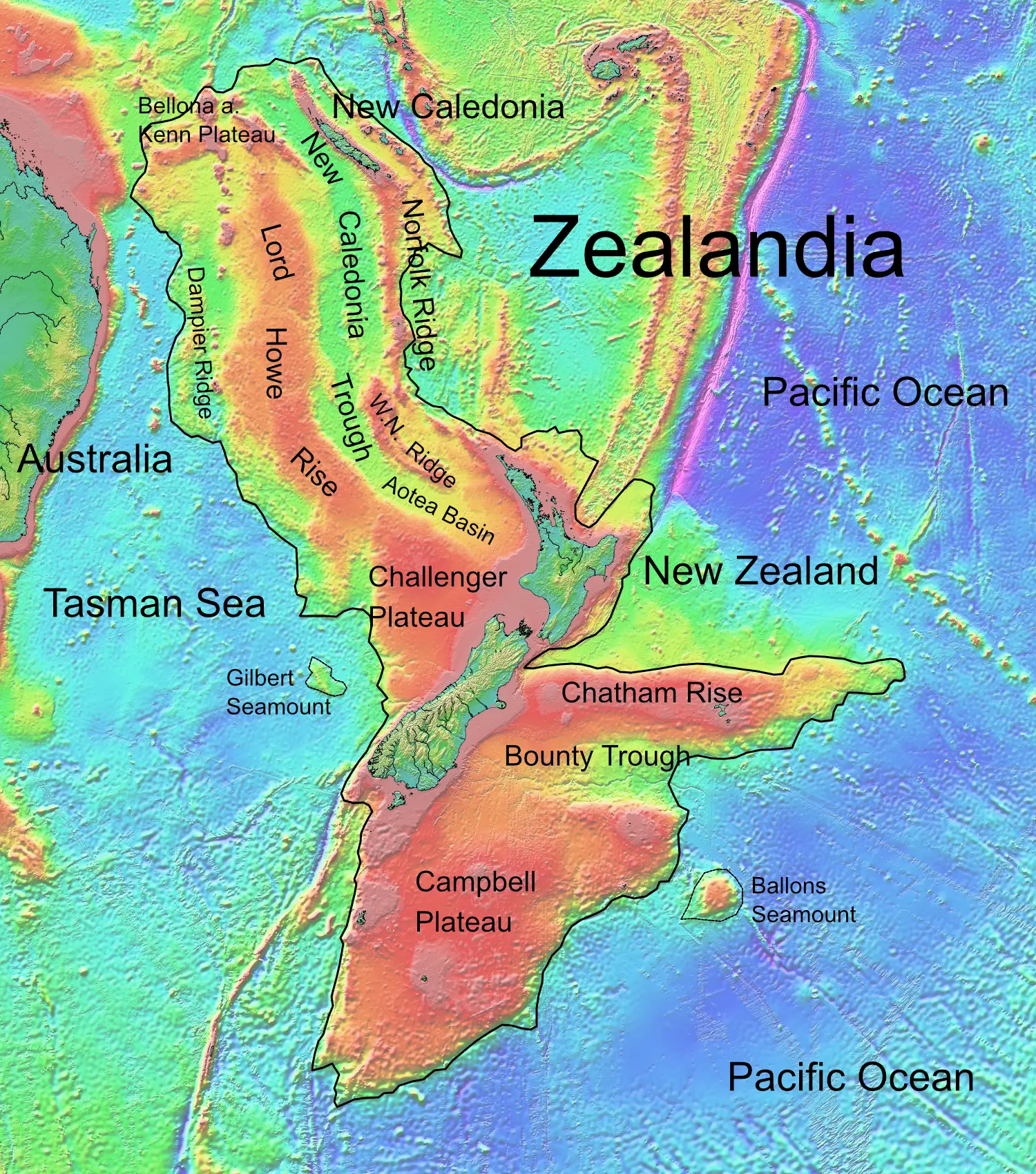
Zealandia, Earth's eighth continent (Ulrich Lange/Wikimedia Commons)

Jamie Allan, program director in the US National Science Foundation's Division of Ocean Sciences, the team leading the 2017 project, said: "Zealandia, a sunken continent long lost beneath the oceans, is giving up its 60 million-year-old secrets through scientific ocean drilling.

"This expedition offered insights into Earth's history, ranging from mountain-building in New Zealand to the shifting movements of Earth's tectonic plates to changes in ocean circulation and global climate."

The ambitious plan was part of a nine-week voyage that saw researchers drill deep into a seabed to sample rocks that comprise the eighth continent.

At six separate sites, the team drilled to depths of 1,250 meters and collected a whopping 2,500 meters worth of sediment and rock samples.
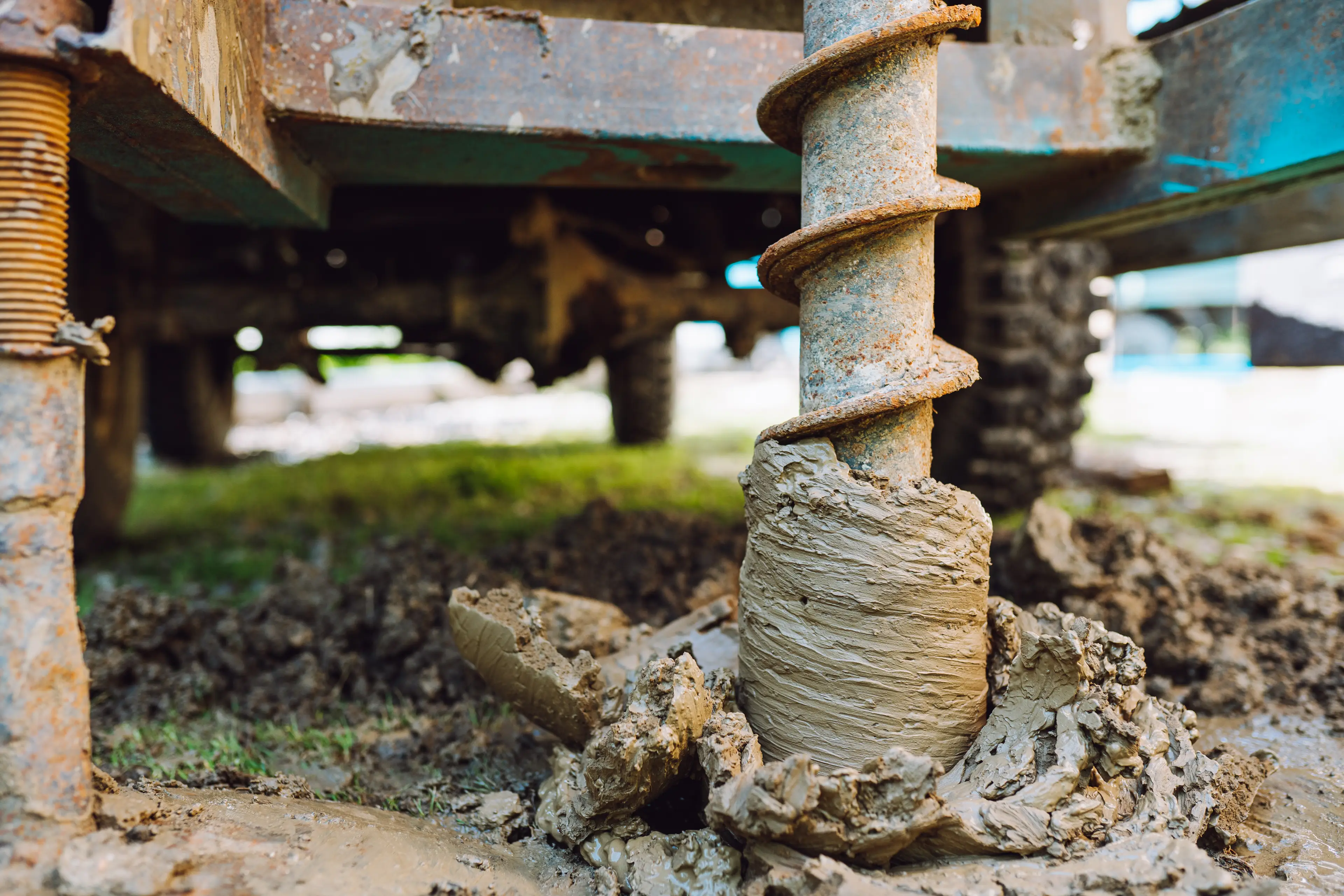
Scientists decided to drill into the continent (Getty Stock Image)

To keep the science relatively simple, the voyage recorded how the geology, volcanism, and climate of Zealandia have changed over the last 70 million years.

The results from the 2017 study were actually quite surprising, indicating Earth's eighth continent had a very different past.

Researchers found the remains of hundreds of fossils, covering a wide array of species that thrive in all different types of settings and climates.

It hinted that part of Zealandia is rather different to the subaquatic environment we all know about today.

Rupert Sutherland, co-author of the study, said at the time: "Big geographic changes across northern Zealandia, which is about the same size as India, have implications for understanding questions such as how plants and animals dispersed and evolved in the South Pacific.

"The discovery of past land and shallow seas now provides an explanation. There were pathways for animals and plants to move along."

Choose your content:

5 hours ago
6 hours ago
7 hours ago
  • PA
    5 hours ago

    Mom opens up about son's rare condition that caused his skin to 'peel off in the bath' as a baby

    The mom-of-one is raising awareness of the condition and how it impacts everyday life

    News
  • PA REAL LIFE
    6 hours ago

    Mom whose cancer was dismissed as IBS for years given just months to live

    Ruth said if she dies she wants to be cremated in her wedding dress and have her ashes scattered at a family BBQ

    News
  • Bullhead City Police Department
    6 hours ago

    'Castleberry Kate’ mystery solved as remains found with bullet in skull identified as teen runaway 37 years later

    The young woman's body was discovered by a construction crew in 1989

    News
  • Instagram/@cimoooooooo
    7 hours ago

    Influencer Alex Cimo's wife 'frustrated' with his mom announcing his death aged 32

    Alex Cimo recently passed away at the age of 32 from colon cancer

    News
  • Cruises are taking trips to a completely made-up island - and tourists are desperate to see it
  • Scientists discover missing continent after 375 years
  • African continent is being split in half as new study gives major update on what is causing it
  • UN issues 'urgent' warning about El Niño as it makes prediction on when it could arrive