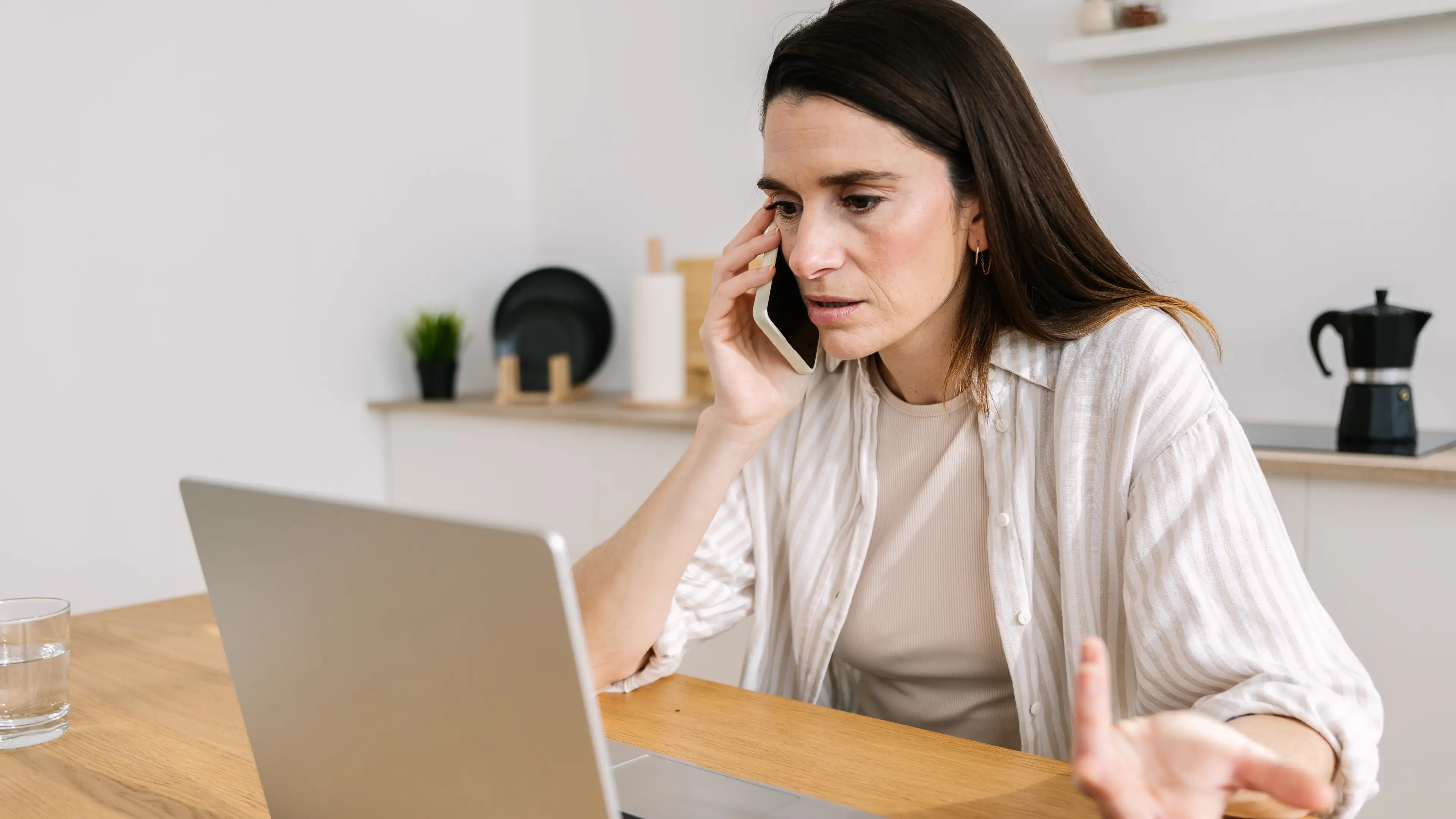

As tempting as it may sound, ignoring your boss is not something you’re always allowed to do.
For some employees, pretending to be blissfully unaware that your manager has sent just a message outside of working hours could land you in a lot of trouble.
We’ve all experienced the horror of hearing the notification of a late-night email just as you’re settling in to watch a show, cook dinner, or finally switch your brain off. You tell yourself you’ll just 'quickly reply' and suddenly work mode has been activated again
But the truth is, we all need a break. Time away from your boss, your inbox, and the never-ending notifications isn’t a luxury, it’s essential.
Advert
Switching off properly makes you better at your job. It protects your mental health, improves sleep, and gives you the space to actually enjoy your life outside of work. No one should be available 24/7.

The always-on generation that grew up alongside social media has blurred the lines between work and personal life in ways no previous workforce experienced. While constant connectivity has made collaboration faster and more flexible, it’s also created an unspoken expectation in some workplaces that employees should always be reachable on digital workspaces, work group chats, even when it’s time to relax.
Believe it or not, only some countries give employees the ‘right to disconnect’ from work, which states that employers can’t punish their workers for not picking up the phone or answering emails once the day’s done.
We know what you’re thinking: which countries and how can you move there ASAP?!
Australia introduced legislation in 2024 to allow employees the ‘right to disconnect’ from work, a measure that until was already in practice in some European countries.
As per the legislation, organizations are not permitted to punish workers for not picking up their phone or responding to emails outside of hours.
So how does it work? Employers and third-party clients can still reach out to staff outside of paid hours (boo!), but employees now have the legal right to decline responding unless their refusal is considered ‘unreasonable.’

What counts as unreasonable is determined by Australia’s Fair Work Commission. They consider factors like the employee’s role and level of responsibility, the method of contact, how disruptive it was to the worker, and other relevant circumstances.
Here are some more countries that have similar rights:
France
In 2017, France introduced a 'right to disconnect' from work emails outside of working hours. Companies with 50+ employees must negotiate with staff representatives on acceptable contact times, with noncompliance carrying a fine of up to 1 percent of an employee’s total pay.
Belgium
Since 2022, Belgian workers have the right to ignore work messages after hours. Originally for civil servants, the law now also covers private-sector employees in companies with 20 or more staff.
Portugal
Portugal’s 'right to rest' bars employers from contacting staff after work hours. Employees are also entitled to at least 11 consecutive hours of night rest, during which they should only be disturbed in emergencies.
Spain
Employees in Spain have the right to disconnect from work-related digital communications outside set working hours, helping to support a healthy work-life balance.
Ireland
Ireland has a Code of Practice on the right to disconnect, giving workers the right to ignore work matters outside normal hours. Employers are also required to respect this right and avoid contacting employees after work.
Italy
In Italy, the right to disconnect focuses on remote work. Telework agreements must specify rest periods and outline measures to allow employees to fully disengage from work devices.
Topics: Jobs, News, Mental Health
 Greg Harris