• News
  • Film and TV
  • Music
  • Tech
  • Features
  • Celebrity
  • Politics
  • Weird
  • Community
  • Advertise
  • Terms
  • Privacy & Cookies
  • LADbible Group
  • LADbible
  • SPORTbible
  • GAMINGbible
  • Tyla
  • UNILAD Tech
  • FOODbible
  • License Our Content
  • About Us & Contact
  • Jobs
  • Latest
  • Topics A-Z
  • Authors
Facebook
Instagram
X
Threads
TikTok
YouTube
Submit Your Content
Archaeologists explain how they identified 'thriving village' where Jesus turned water into wine

Home> News> World News

Published 14:11 27 May 2025 GMT+1

Archaeologists explain how they identified 'thriving village' where Jesus turned water into wine

It's supposedly the site of Jesus' first miracle and has been widely debated for some time

Gerrard Kaonga

Gerrard Kaonga

Featured Image Credit: Getty Images/AFP Contributor

Topics: Religion, News, World News

Gerrard Kaonga
Gerrard Kaonga

Gerrard is a Journalist at UNILAD and has dived headfirst into covering everything from breaking global stories to trending entertainment news. He has a bachelors in English Literature from Brunel University and has written across a number of different national and international publications. Most notably the Financial Times, Daily Express, Evening Standard and Newsweek.

Advert

Advert

Advert

Archeologists remain confident they have finally found the location of where Jesus allegedly turned water into wine, beating out previously thought areas.

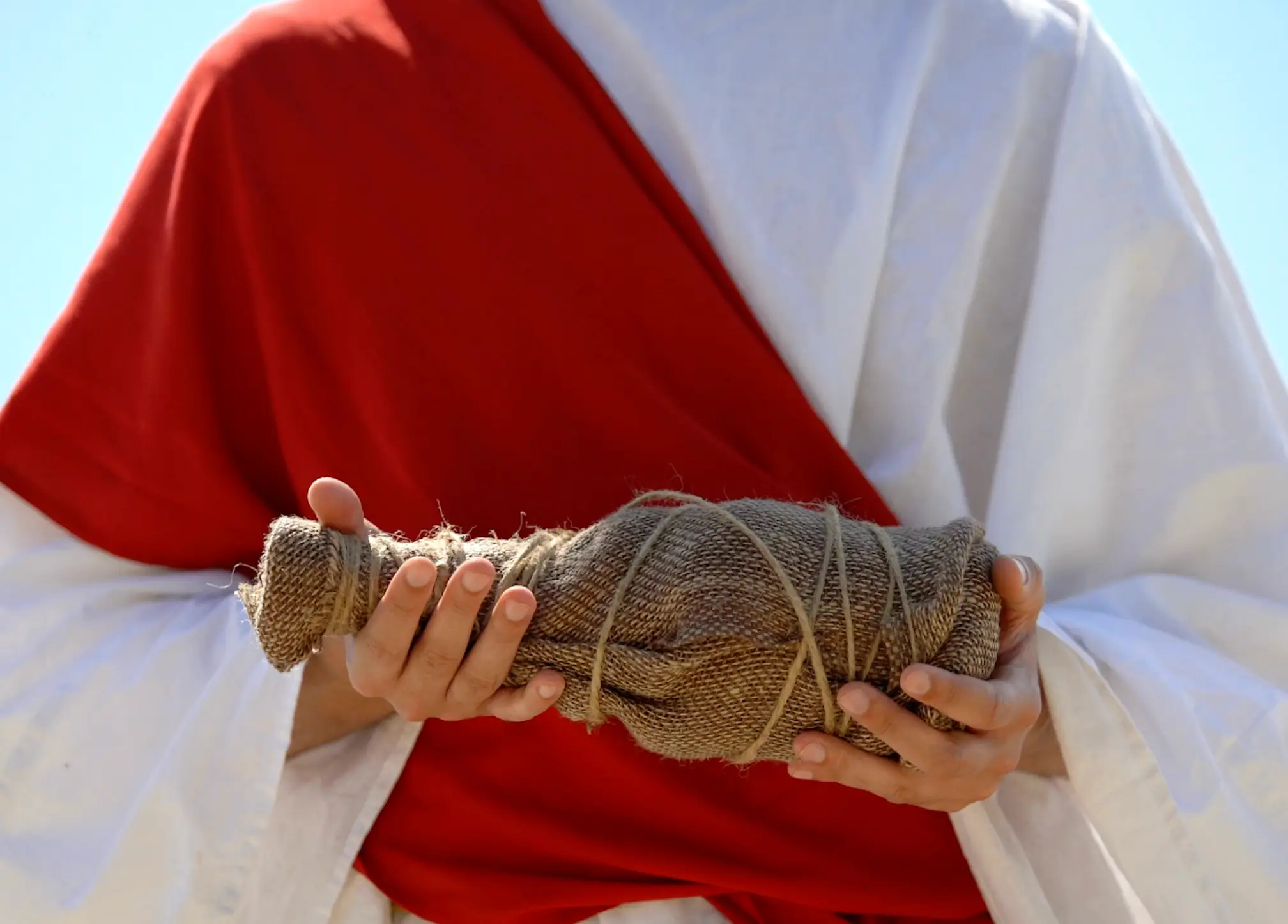
In case you don’t know the Bible story, while at a wedding with his mother, Mary, Jesus wanted to showcase his ‘divine power’ and somehow turned water into wine when the drink ran out.

For theologians, this is considered to be the first miracle Jesus ever performed and is first attributed to Jesus in the Gospel of John.

It is said to have taken place at a wedding in Cana, Galilee, however the exact location has been hotly debated.

Advert

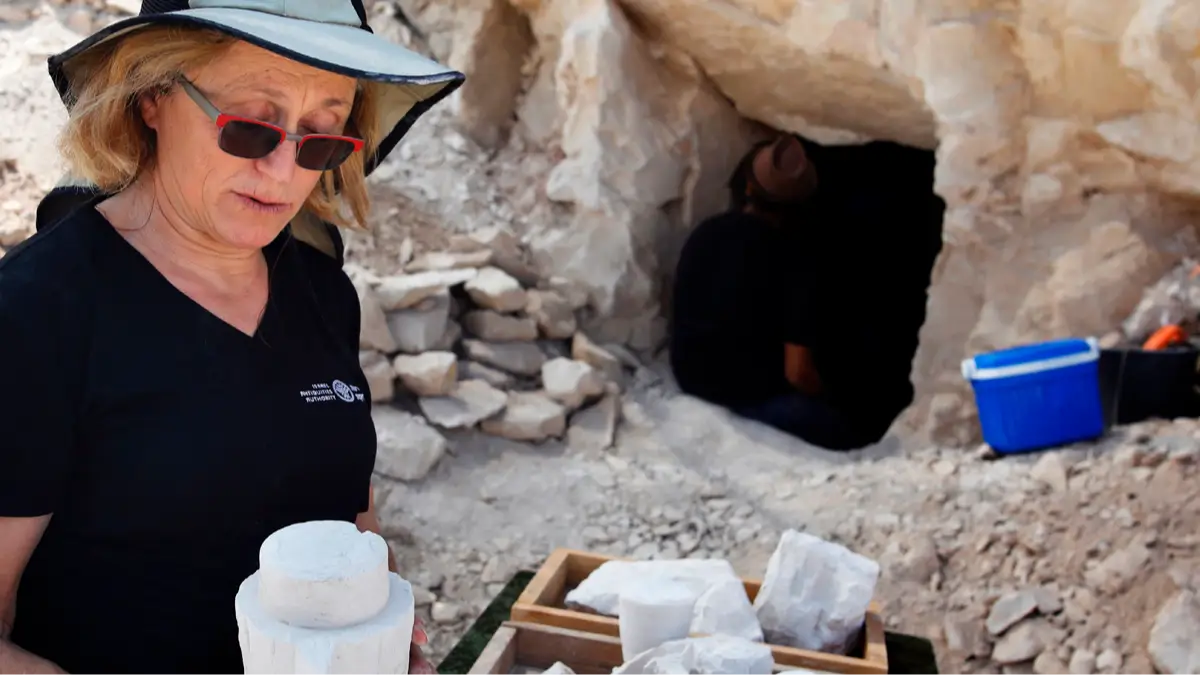
However, a team of archeologists believe they have finally unraveled the mystery after excavations at the former site of Jewish village Khirbet Qana.
The wedding site has been hotly debated among theologians (Getty Stock Image)

The village is said to have existed between 323 BC and 324 AD and the team believe they have found clues that argue against the prevailing theory that the miracle took place in Kafr Kanna.

In 2018, the team found a network of tunnels used for Christian worship and found it was marked with crosses as well as the Greek phrase ‘Kyrie Iesou’, meaning Lord Jesus.

As well as this, items such as an altar and a shelf with the remains of a stone vessel were also discovered, suggesting weddings could have been conducted at the site.

According to the Bible, the transformed wine was stored in six stone jars similar to the one found at Khirbet Qana.

Dr Tom McCollough, who led the excavations at the site, located in present-day Israel, admitted there were three other sites with credible claims that it could have been the location of the wedding.

However, he countered this by stating that ‘none has the ensemble of evidence that makes such a persuasive case for Khirbet Qana.’

He added: “We have uncovered a large Christian veneration cave complex that was used by Christian pilgrims who came to venerate the water-to-wine miracle. This complex was used beginning in the late fifth or early sixth century and continued to be used by pilgrims into the 12th-century Crusader period.
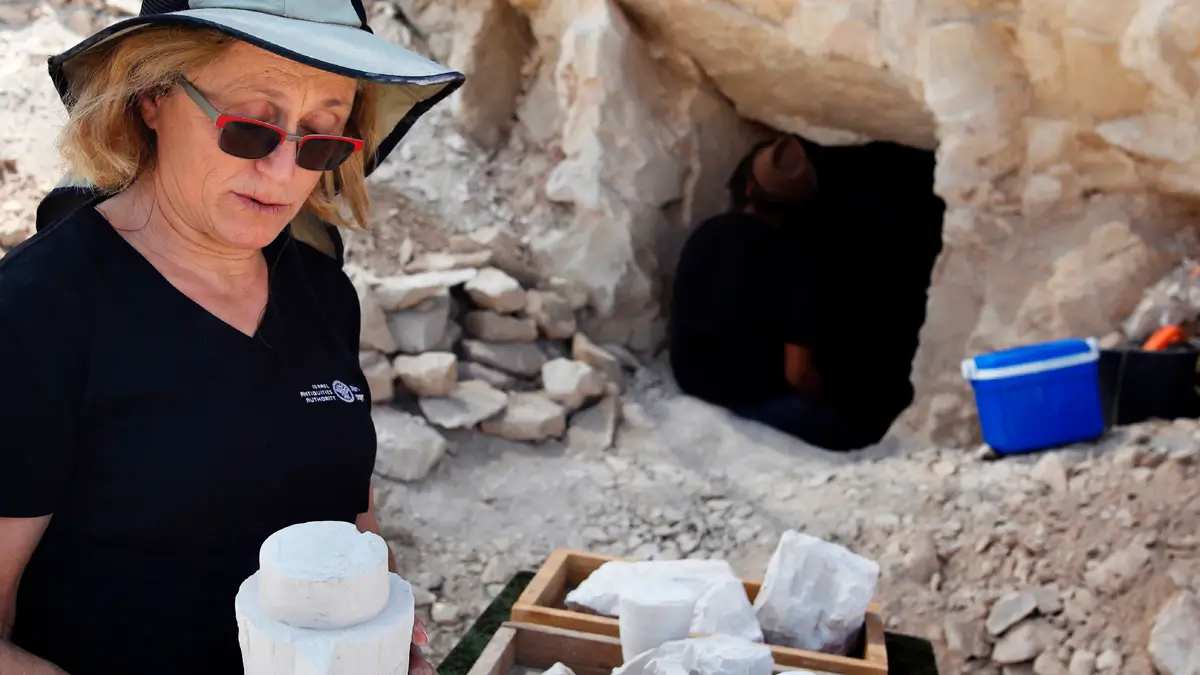
The caves have shown evidence of Christian activity in the past(Getty Images/AFP Contributor)

“The pilgrim texts we have from this period that describe what pilgrims did and saw when they came to Cana of Galilee match very closely what we have exposed as the veneration complex."

Dr McCollough argued that his team’s findings warrant at least a re-looking at what theologians know about Jesus, his life and the miracles he reportedly performed.

He added: "Our excavations have shown that this was in fact a thriving Jewish village located in the heart of much of Jesus' life and ministry. For the Gospel of John, Cana is in some ways, Jesus' safe place or operational center.

“It is a place he and his disciples return to when they encounter resistance in Judea. I would argue our excavations warrant at least a reconsideration of the historical value of John's references to Cana and Jesus."

  • Archaeologists made groundbreaking discovery where Jesus 'walked on water' and it changes everything
  • Long-lost site where Jesus performed miracle described in Bible found after 2,000 years
  • Researcher uses hidden clues in Bible to reveal 'exact time' Jesus died on the cross
  • Pastor reveals 'exact date' Jesus will return to Earth and warns of future 'chaos and destruction'

Choose your content:

an hour ago
2 hours ago
  • Instagram/guskenworthy
    an hour ago

    Olympic skier speaks out after receiving death threats for writing ‘f**k ICE’ with ‘his urine’ in snow

    The British ­Olympic Association has since confirmed to the Guardian that additional support services have been put in place for him

    News
  • Getty Images/David Ramos
    an hour ago

    Olympic snowboarder breaks neck in crash during training days before competition

    Cam Bolton was training in Livingno when he fell 'heavily' on the mountain

    News
  • YouTube/This Morning
    2 hours ago

    Woman who was mutilated by 'butcher surgeon' reveals how he convinced her to undergo unnecessary mastectomy

    Ian Paterson was jailed in 2017 in the UK after he was convicted of wounding patients by giving them unnecessary or botched operations

    News
  • Getty Images/FRANCK FIFE
    2 hours ago

    Olympics officials threaten action over Ukrainian athlete's banned helmet he refuses to take off

    Skeleton racer, Vladyslav Heraskevych, faces being disqualified from the games

    News