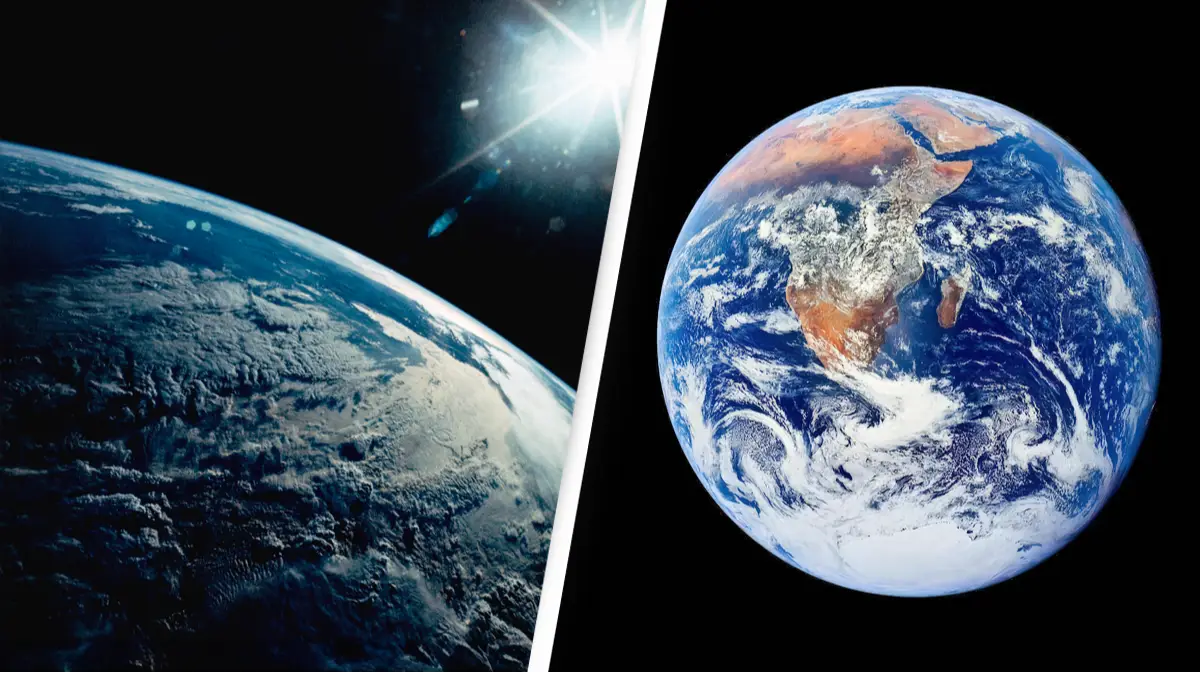
Earth is going to lose a second for first time in history and it could cause huge problems

It's often said there's not enough in the day - but that saying might take on a whole new meaning in a few years time.
Thankfully, this is only for a second - but it looks set to change Earth as we know it.
Advert
So, world timekeepers may have to consider subtracting a second from our clocks in a few years for the first time in history - at least according to a new study.
It really would be a monumental moment.
The planet is rotating a second fast than it used to, meaning a change with the clocks as we know it.
Of course, we see the clocks go forward and back in a lot of countries, but this is very different to that.
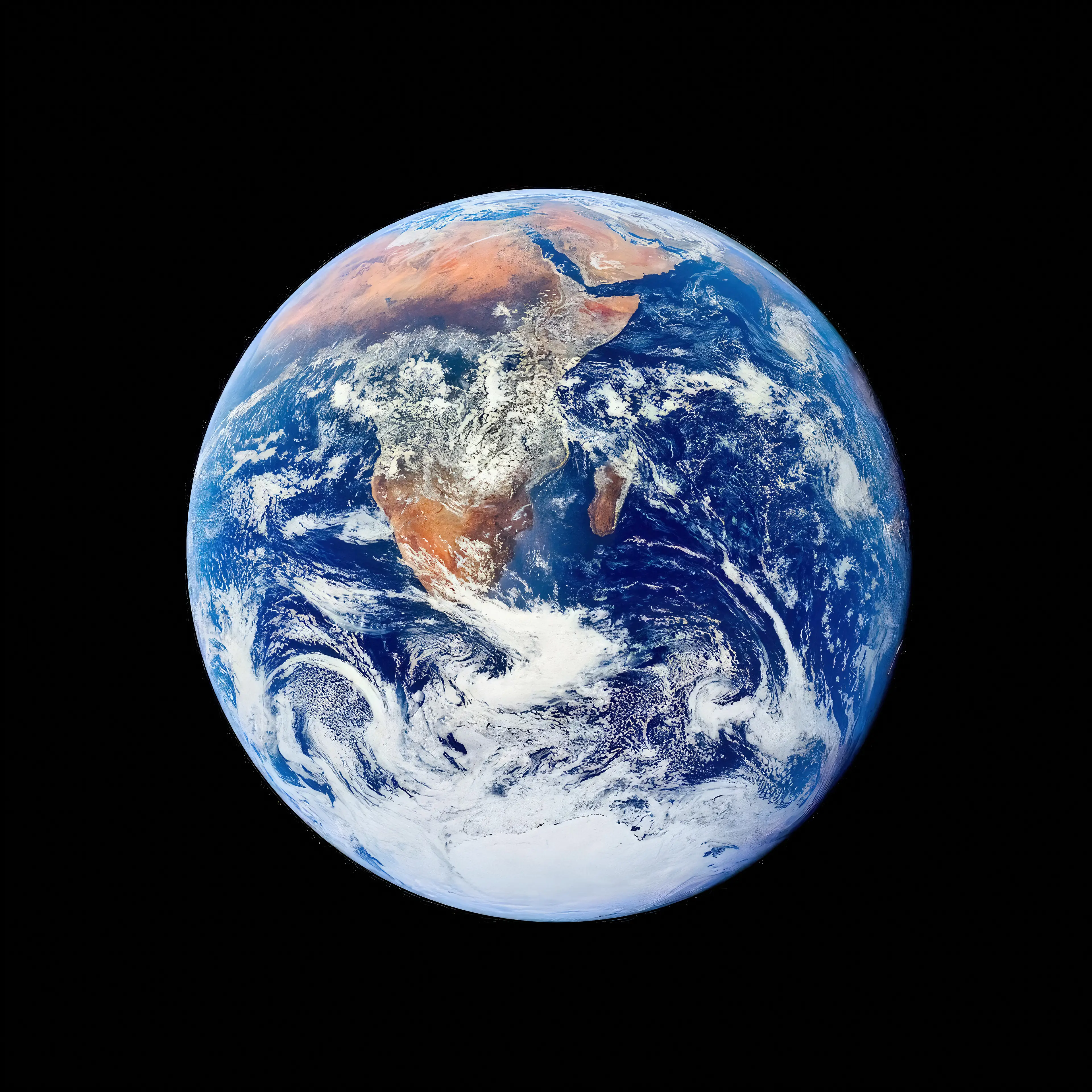
It may lead to clocks having to go forward a second in 2029 - a process know as 'negative leap second'.
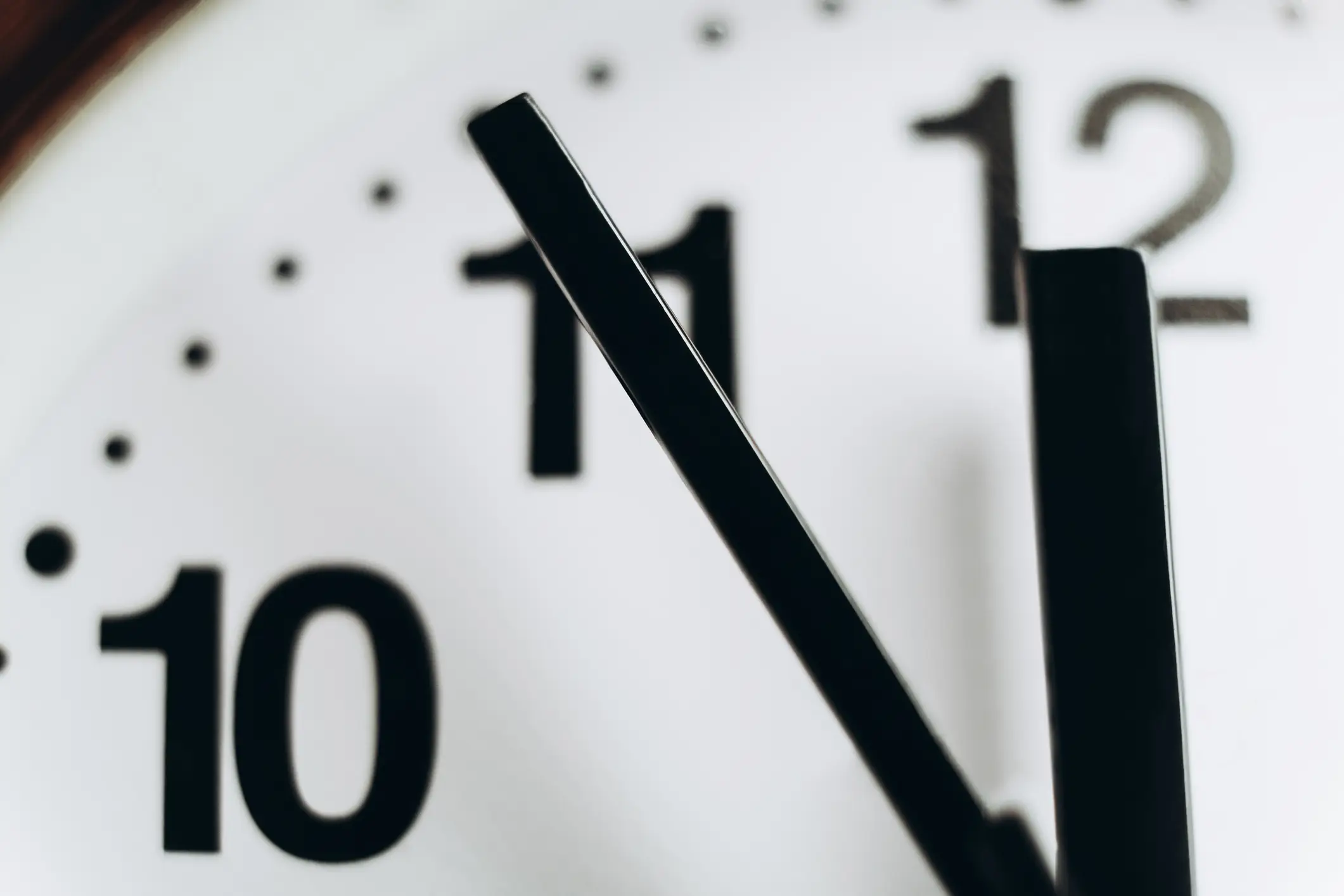
To put it into perspective, 11:59:59 would no longer exist - so once the clock hits 11:58, then it would just jump straight to midnight instead.
A study published in the journal Nature discussed how this would happen and what impact it would have on the everyday person.
Duncan Agnew, a geophysicist at the Scripps Institution of Oceanography at the University of California, San Diego, and lead author of the study said: "This is an unprecedented situation and a big deal.
"It’s not a huge change in the Earth’s rotation that’s going to lead to some catastrophe or anything, but it is something notable. It’s yet another indication that we’re in a very unusual time."
Agnew explained that the Earth's burst of speed was a result of it's 'liquid' core being unpredictable - but added that the ice melting at both of Earth’s poles has been counteracting it, making it less noticeable.
Agnew went on to say this has likely delayed this global second by about three years.
Massimo Frezzotti, glaciologist and professor at Roma Tre University, told ANSA: "Melting glaciers of Greenland and Antarctica changes the mass distribution and therefore the shape of our planet, which is not a sphere, but a geoid."
With this in mind, Dennis McCarthy, an expert who was not part of the study, added it is only a 'matter of when' when it comes to the 'negative leap second'.
McCarthy went on to say the quicker speed of Earth's rotation is mostly down to the effect of tides - something which is caused by the pull of the moon.
But as more seconds were added, the rate of slowing was gradually dropping off.
Judah Levine, a physicist for the time and frequency division of the National Institute of Standards and Technology, added: "In 2016 or 2017 or maybe 2018, the slowdown rate had slowed down to the point that the Earth was actually speeding up."
At least we know to check our watches in a couple of years, eh?
 Callum Jones