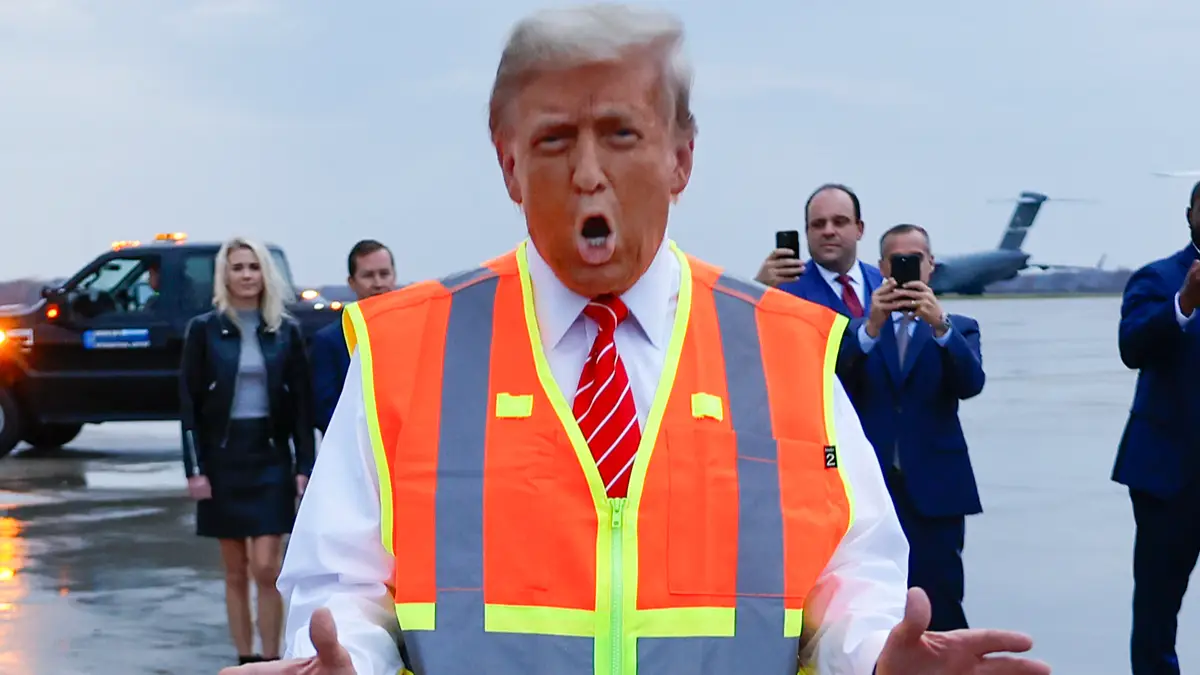
'DNA' law explained as it comes into effect at US airports and could have huge consequences on travellers

Strict new customs laws have come into effect in the US, meaning government officials can collect tourists' DNA in certain cases.
The new biometric data collection policy was actioned on 26 December, despite having been announced back in November.
Non-citizens will be subjected to facial recognition photographs in the airport when entering or exiting the US to help match them to existing records. These records could be stored for up to 75 years in the agency's biometric identity management system, according to the official documents, and Department of Homeland Security officials may wish to request additional information from travellers, such as fingerprints or DNA.
US citizens are not required to participate in the program, but can opt in when jetting in or out of the country if they wish to do so.
Advert
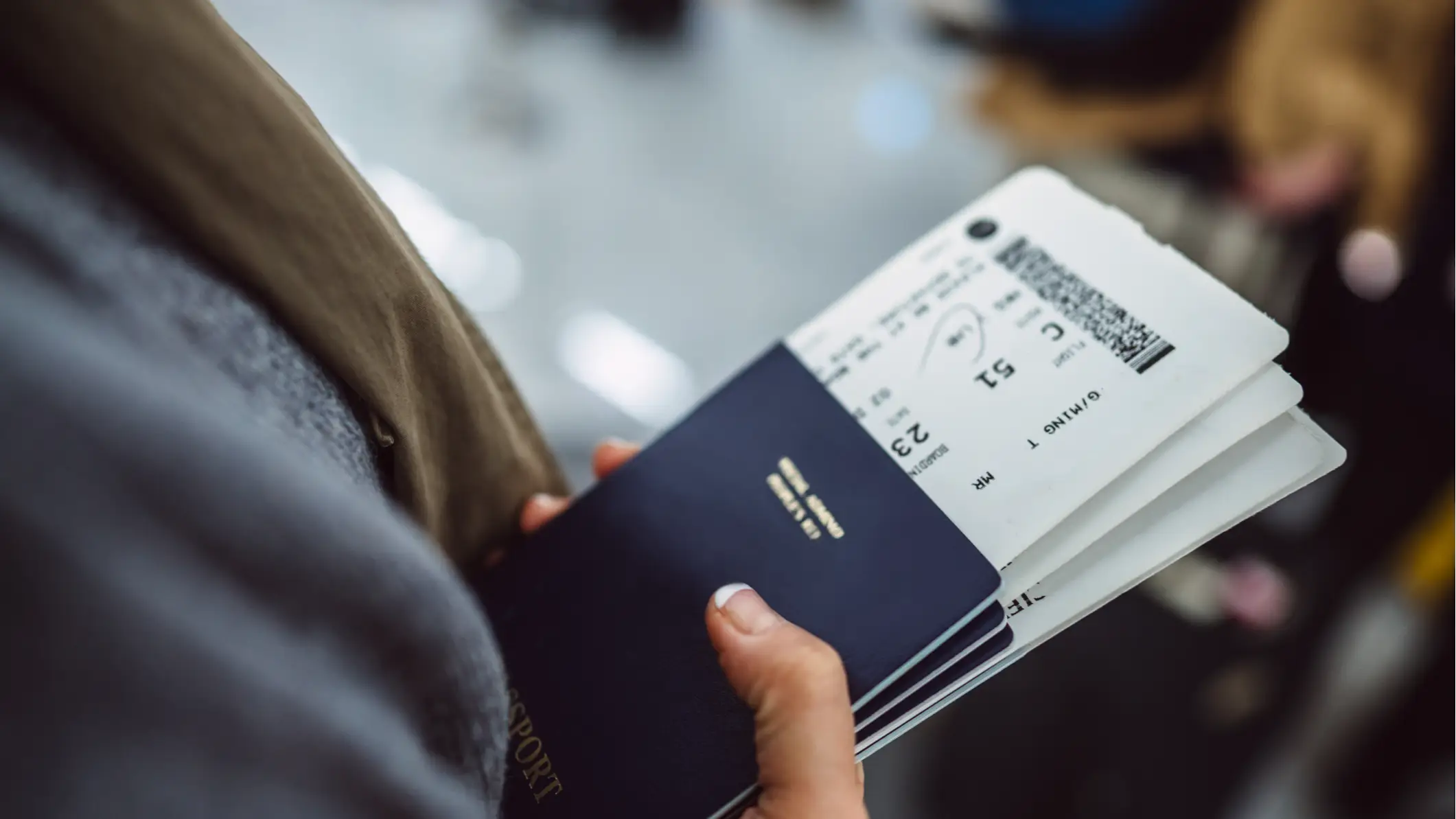
Photographs of US citizens will be discarded within 12 hours.
Those who wish not to participate have to let a CBP officer or airline representative know about their decision and will be asked to undergo a manual passport check instead.
According to the US government, the new security measures have been put in place in order to 'deter the filing of frivolous claims and provide operational consistency'.
It's not only the additional biometric data that has been given the green light under the new law. Age restrictions on facial recognition have also been removed, meaning any non-citizen of any age will be subjected to the biometric requirements.
Previously, travellers under the age of 14 or over 79 were exempt from these measures. The new rules have largely expanded what government officials can legally request from travellers in terms of biometric data as they seek to collect more data to enhance border security.
In addition to the rules, certain visitors planning to stop in the US for over 29 days will be forced to pay a $30 (£22) fee.
Anyone who refuses to pay and give their fingerprints could end up facing a $5,000 (£3,700) fine.
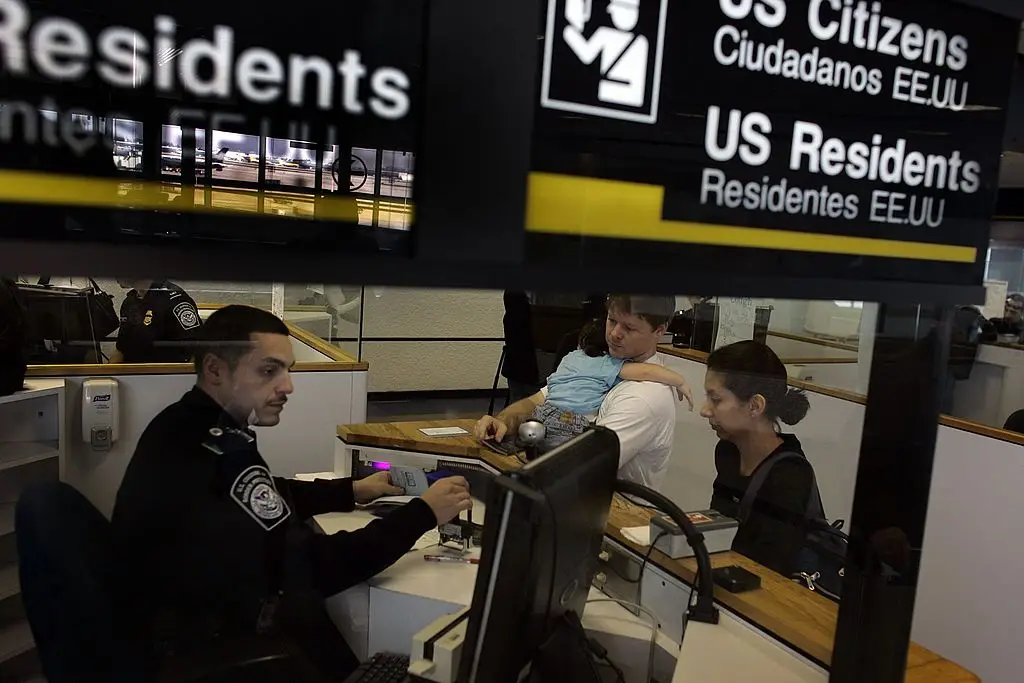
The US has been collecting biometric data from non-citizens entering the country since 2004 and border officers will continue to collect fingerprints from incoming travellers under the new law.
The new measures have been implemented ahead of a very busy travel season for the US, which sees a huge increase in visitors during the winter.
Millions of travellers are expected to head to the US over the next few weeks with the end of December known to be a particularly hectic time for travel.
Topics: Donald Trump, News, Travel, US News
 Danni King