unilad homepage
unilad homepage
  • News
    • UK News
    • US News
    • World News
    • Crime
    • Health
    • Money
    • Sport
    • Travel
  • Music
  • Technology
  • Film and TV
    • News
    • DC Comics
    • Disney
    • Marvel
    • Netflix
  • Celebrity
  • Politics
  • Advertise
  • Terms
  • Privacy & Cookies
  • LADbible Group
  • LADbible
  • SPORTbible
  • GAMINGbible
  • Tyla
  • UNILAD Tech
  • FOODbible
  • License Our Content
  • About Us & Contact
  • Jobs
  • Latest
  • Archive
  • Topics A-Z
  • Authors
Facebook
Instagram
X
Threads
TikTok
YouTube
Submit Your Content
Researchers baffled as ancient lake reappears 130 years after vanishing
Home>News>US News
Updated 18:39 1 Apr 2024 GMT+1Published 18:40 1 Apr 2024 GMT+1

Researchers baffled as ancient lake reappears 130 years after vanishing

The lake had previously disappeared, only to reappear again over 100 years later leaving researchers stunned

Kit Roberts

Kit Roberts

google discoverFollow us on Google Discover
Featured Image Credit: Mario Tama/Getty Images / Citizen of the Planet/UCG/Universal Images Group via Getty Images

Topics: News, US News, Nature, Environment

Kit Roberts
Kit Roberts

Kit joined UNILAD in 2023 as a community journalist. They have previously worked for StokeonTrentLive, the Daily Mirror, and the Daily Star.

Advert

Advert

Advert

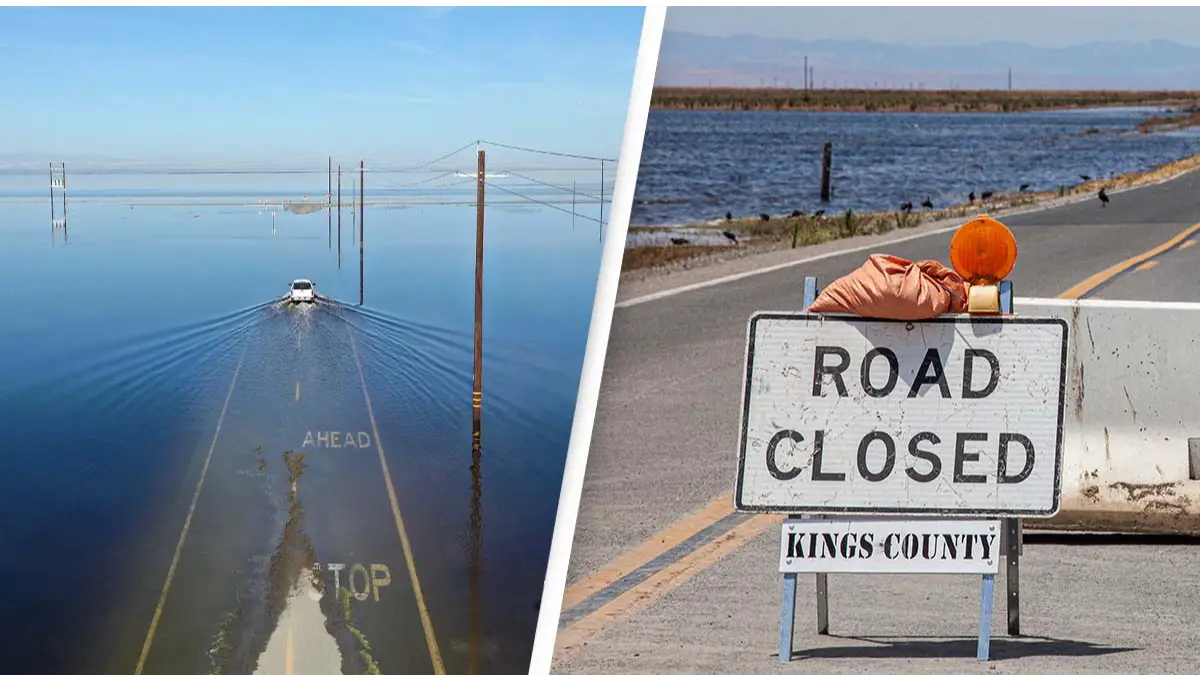
A lake in California has returned after disappearing in the late 19th century.

The lake is located in the San Joaquin Valley in California, and is of great importance to indigenous communities in the area.

It's called Tulare Lake, and Pa'ashi, meaning 'big water', by the Tachi Yokut Tribe.

Advert

Before it disappeared in the late 19th century, it was the largest body of fresh water in the US outside of the Mississippi River, according to earth.com.

The lake was also of great importance as a natural resource for indigenous communities and was an astonishing 100 miles long and 30 miles wide at its largest size.

Vivian Underhill studied the lake as a postdoctoral research fellow at Northeastern University, and noted that history contains some dark periods.

Underhill found that the indigenous communities on the land had been displaced so that the enormous lake could be drained and the land used for farming.
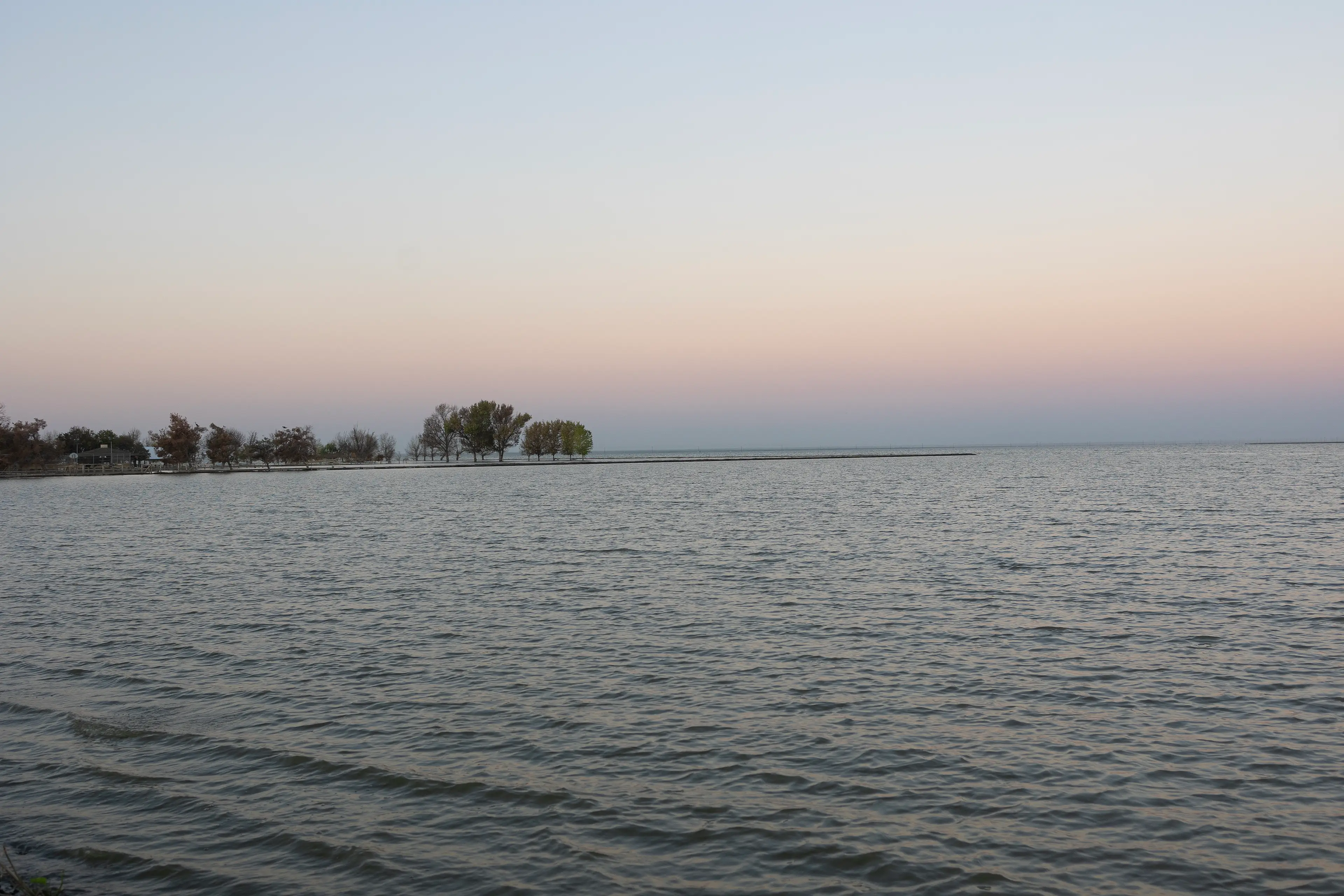
The lake has now returned.
Andrew Lichtenstein/Corbis via Getty Images

Underhill told the Northeastern Global News: "They really wanted to get [land] into private hands so that indigenous land claims — that were ongoing at that time — would be rendered moot by the time they went through the courts. It was a deeply settler colonial project."

The lake had partially reappeared in the 1930s, 1960s, and 1980s, but it wasn't until 2023, some 125 years after its disappearance, that the lake properly returned.

This was due to a combination of heavy rains and snowmelt, which repeatedly flooded the region and restored the lake.

Although it's not quite the 100 miles long and 30 miles wide it once was, it's still returned as an enormous body of water.
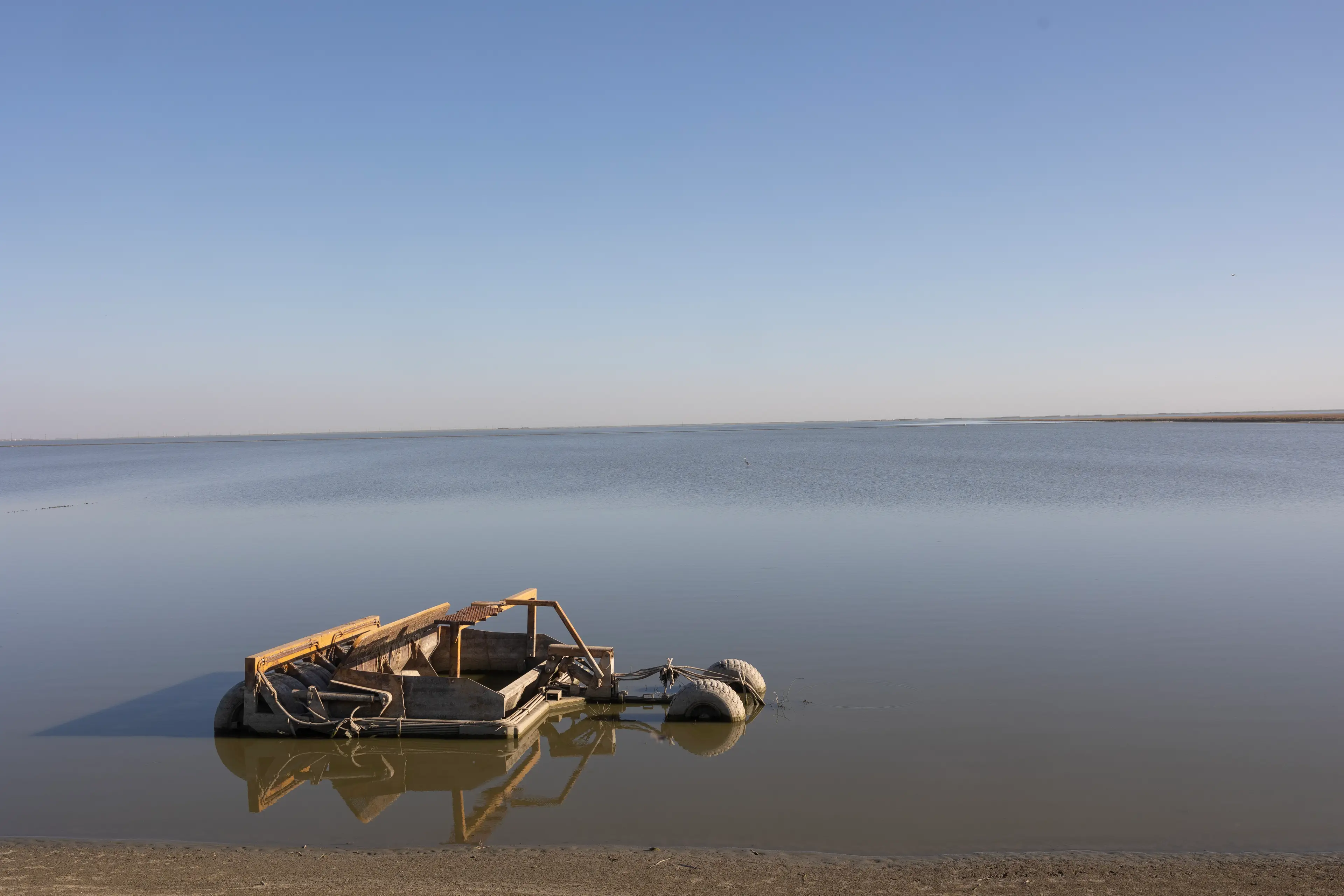
The lake was originally drained to make way for farming.
Andrew Lichtenstein/Corbis via Getty Images

Now, it stretches some 22 miles long and 12 miles wide, which is still a large lake.

Underhill said: "Something that continues to amaze me is — [the birds] know how to find the lake again. It's like they're always looking for it."

Tachi Yokuts have also returned to the area decades after being forced from their land, and are once again able to practice their rituals at the lake.

Kenny Barrios, a cultural liaison for the community, said: "I love the fact that it came back for us. I love the fact that it took over the land that was taken from us.

"I love the fact that it's resilient and it still keeps returning, even through the destruction, that they tried to take it away. The lake is just like us."

Choose your content:

2 hours ago
3 hours ago
4 hours ago
  • Severe Weather Europe
    2 hours ago

    El Niño has officially begun, here's how it could affect the weather

    El Niño has a huge range of impacts on weather patterns

    News
  • Getty Stock Images
    2 hours ago

    When and how often you nap could increase your chances of dying, according to researchers

    The ideal nap lasts between 15 and 20 minutes, according to science

    News
  • Getty Stock
    3 hours ago

    Doctor issues warning against 'dirty soda' trend that could be a 'disaster' for the body

    The trend started off in Utah, gaining mainstream popularity with the help of social media

    News
  • Getty Stock Image
    4 hours ago

    Doctor explains what really happens to your body when you're in a coma

    The difference occurs after just 24 hours in a coma

    News
  • Eerie ‘ghost lake’ reemerges 130 years after vanishing
  • Alarming reason why water is vanishing from one of US’ largest lakes
  • North Carolina mom found alive after vanishing for 24 years reunites with daughter
  • Mysterious 'cold blob' could change weather across the US as scientists issue warning