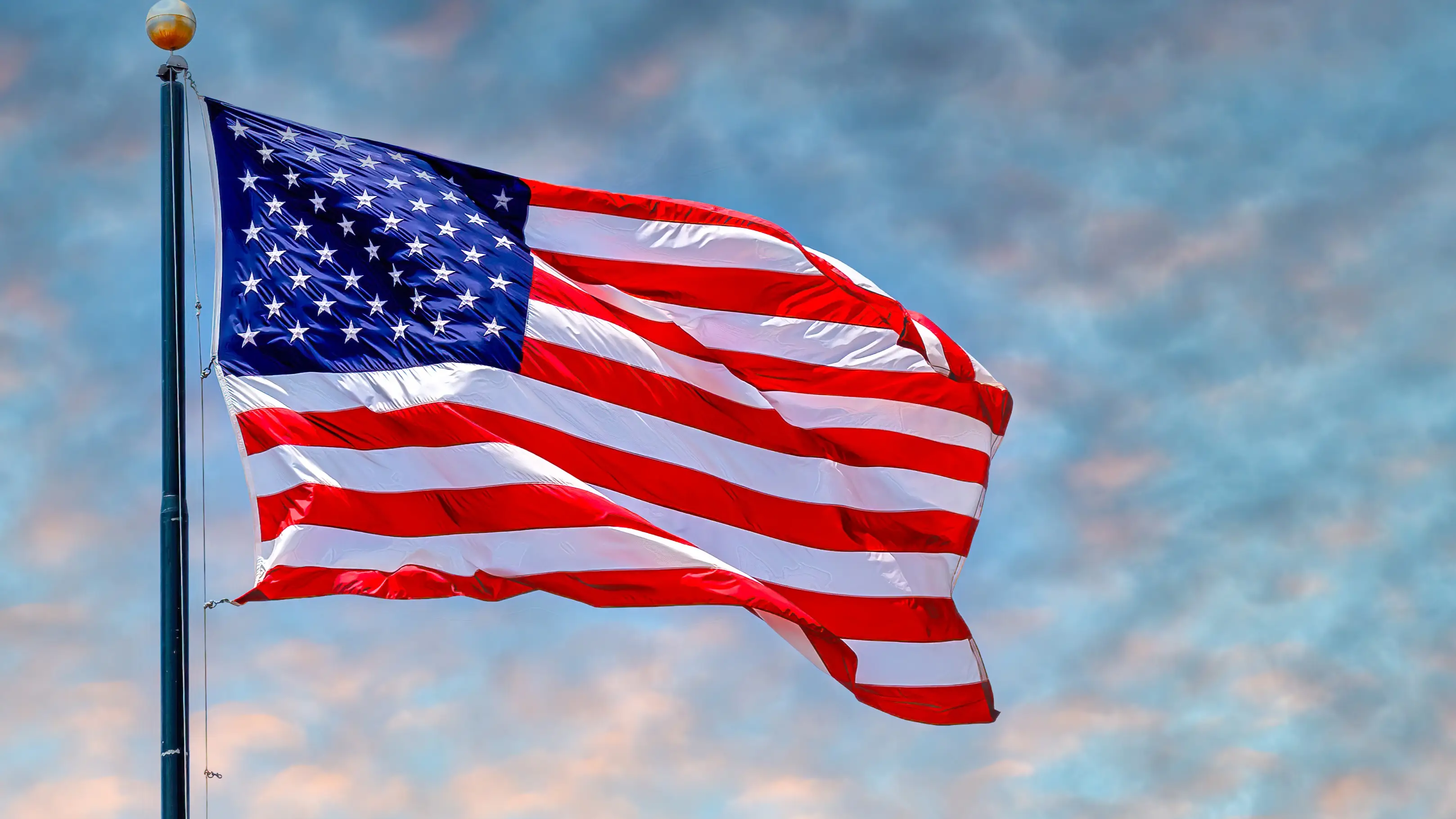
Expert explains why President's Day isn't actually called President's Day despite being recognized across US

One of the US' most popular federal holidays is underway, as President's Day is celebrated across the states today (Monday February 16).
Every third Monday of February is marked to honor the birthday of President George Washington.
The long weekend gives families the chance to enjoy a short vacation and spend some quality time together, while others celebrate with city-wide parades or flocking to the sales.
The holiday might be called President's Day, but it was initially established to celebrate Washington's birthday and is officially named as such.
Advert
In 1879, Washington's Birthday became a federal holiday for government offices in Washington, D.C and by 1885, it was rolled out to be observed nationwide.
It was actually one of the earliest US federal holidays, alongside Independence Day.
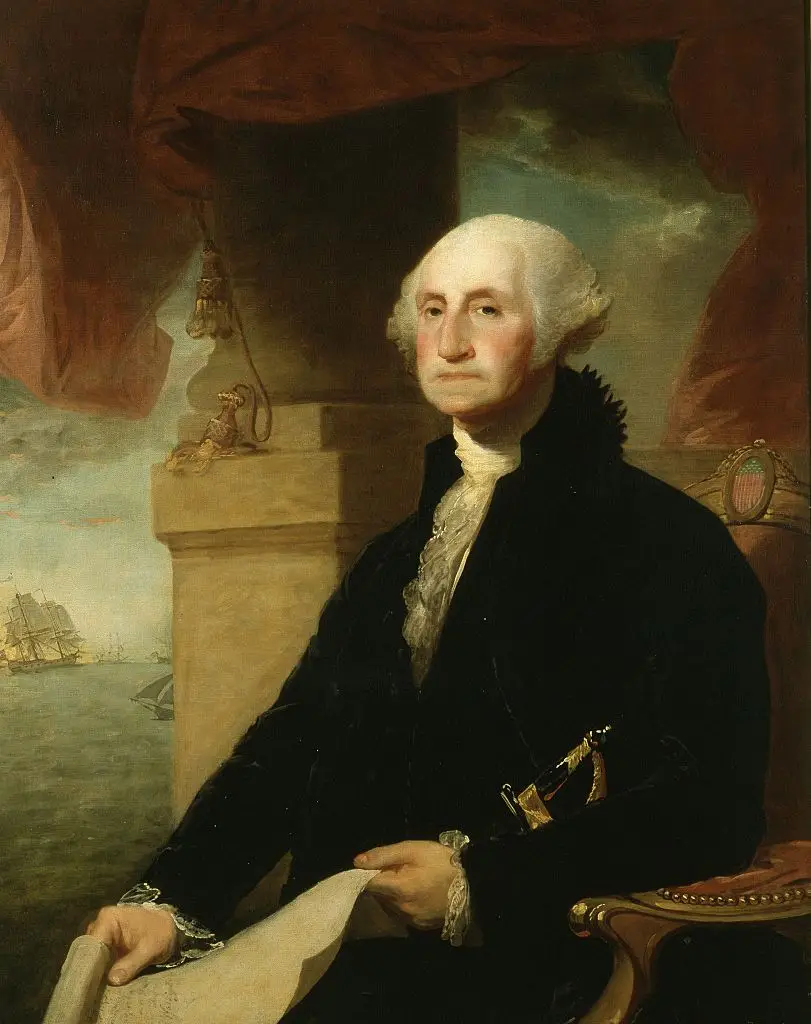
But, under section 6103(a) in Title 5 of the US code, the holiday is officially called Washington's Birthday.
That's despite it failing to consistently fall on his birthday - which was February 22.
Lindsay Chervinsky, executive director of the George Washington Presidential Library at Mount Vernon, spoke to TIME to explain more about the holiday and why it's not known by its actual name.
“Americans, prior to the revolution, celebrated the King's birthday quite regularly, and they started to transition to celebrating Washington's birthday about halfway through the war,” she said. “By 1778, states and localities were celebrating Washington's birthday, largely because it was common practice to have a sort of a birthday celebration, and he was a good stand-in.”
In 1971, the US passed the Uniform Monday Holiday Act, which moved several holidays to Mondays to create long weekends for workers.
Washington’s Birthday was then shifted to the third Monday in February, helping to boost travel and retail activity.
That also helped the name Presidents’ Day become more common, especially in marketing.
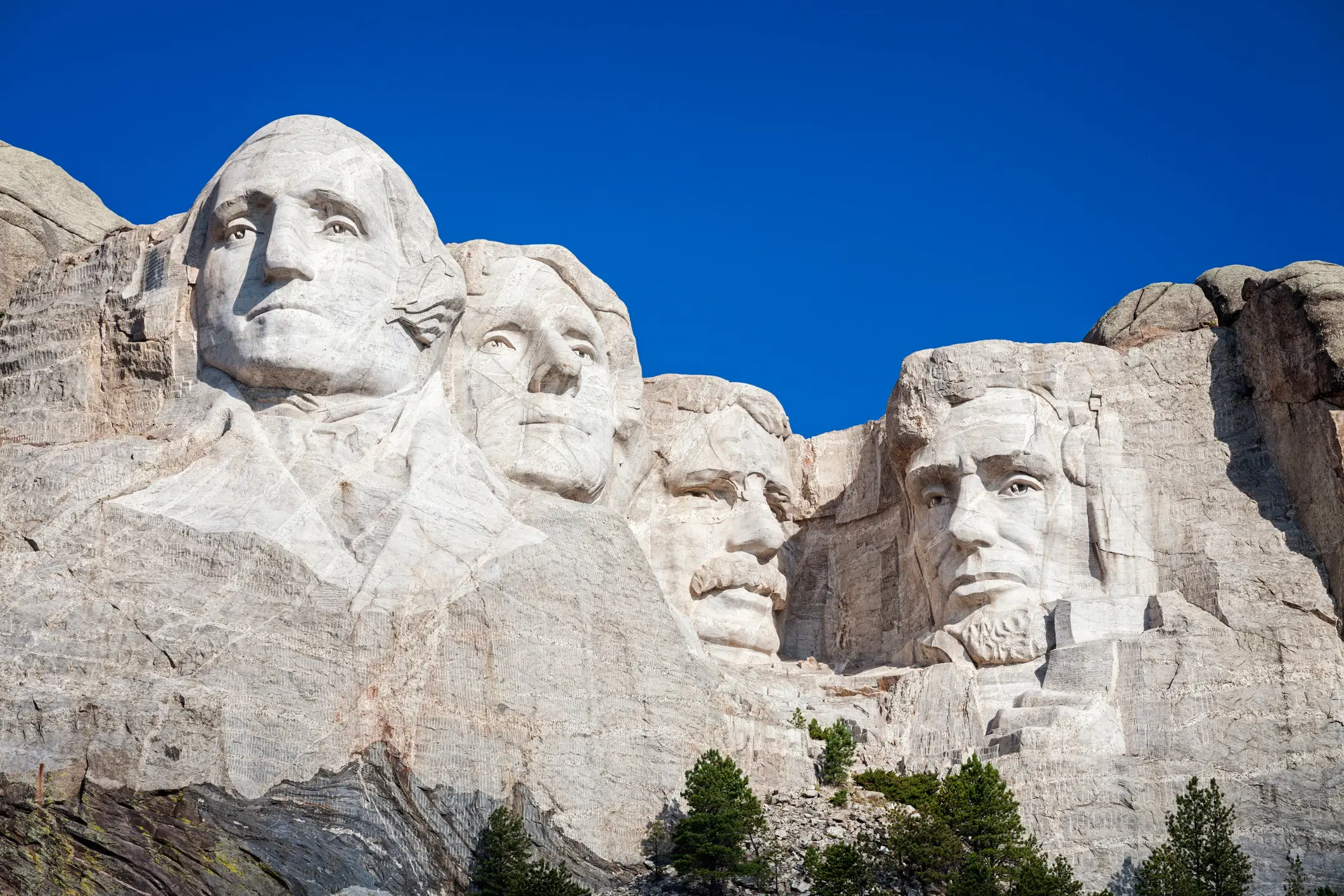
It's more widely seen as a day to celebrate all US presidents instead of just Washington. Sorry, George...
Washington's Birthday was the first federal holiday dedicated to one person's birthdate, and there is only one other: Martin Luther King Jr. Day, which honors the birthday of the civil-rights leader who was born January 15.
It's observed on the third Monday in January, closer to King Jr's actual birthday than Washington's federal holiday.
The US celebrates 11 federal holidays a year, including New Year’s Day on January 1, Memorial Day on the last Monday in May, Juneteenth on June 19, Independence Day on July 4 and Labor Day on the first Monday in September.
Then there's Columbus Day, observed on the second Monday in October, Veterans' Day on November 11, Thanksgiving Day on the fourth Thursday in November and Christmas Day on December 25.
Every four years there's an additional federal holiday, when a president is sworn into office on Inauguration Day.
 Ellie Kemp